
Destinations in Djibouti: the 27 sites to explore
This guide covers twenty-seven destinations in Djibouti, arranged by administrative region: the north-west around Tadjourah, the north-east around Obock, the interior at Arta and in the Goda massif, the south at Ali-Sabieh and Dikhil, plus the capital and its islands. Each page gives the real access, what you see there and the best season. Several sites combine into a single day from Djibouti City.
| Updated on | 16 September 2026 |
|---|
Which destinations does this guide cover?
Djibouti covers 23,200 km², roughly the size of Brittany, yet it concentrates on that surface what elsewhere takes several countries: the lowest point on the African continent, a lake saltier than the Dead Sea, an active rift, intact coral reefs and one of the largest mangrove systems in the Red Sea.
That density has a practical consequence: you do not cross the country for hours to link two sites. You change world in an hour and a half of driving. That is why this hub arranges the destinations by administrative region, and says for each one what you find there.
Twenty-seven destinations are documented here, from the coast inland. Each has its own full page.
Which are the twenty-seven documented destinations?
Tadjourah — the north-west
| Destination | What you find there |
|---|---|
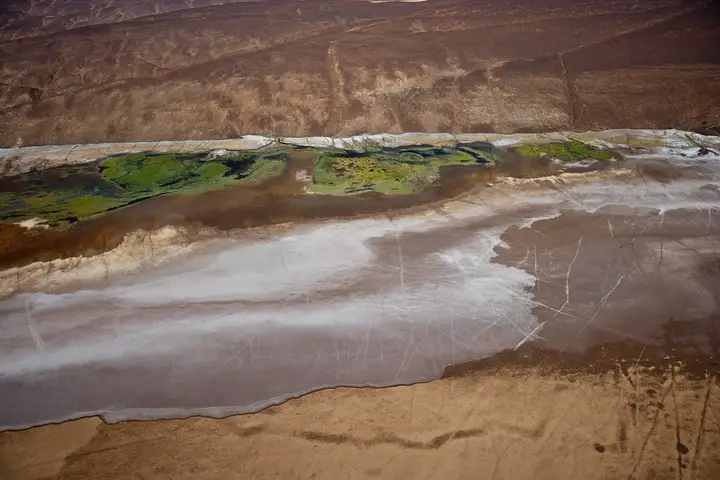
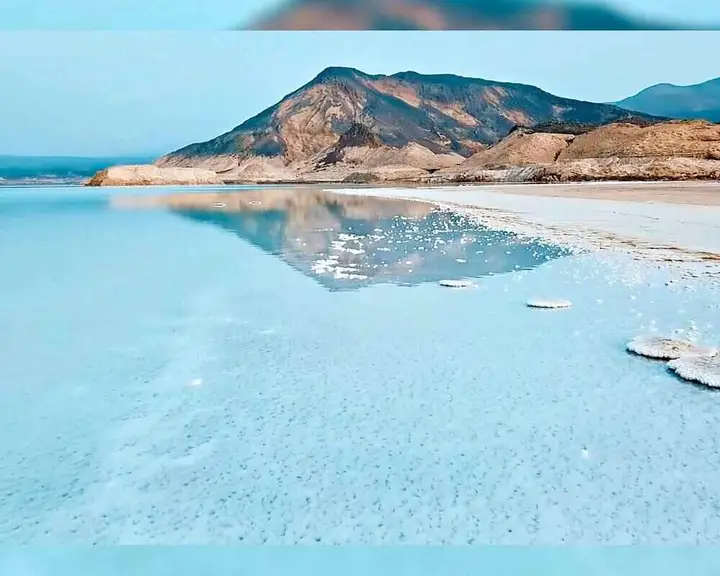
| Lake Assal | Africa’s lowest point, its salt crust and its salt pans |
| Goubet al-Kharab | The landlocked gulf and its cliffs |
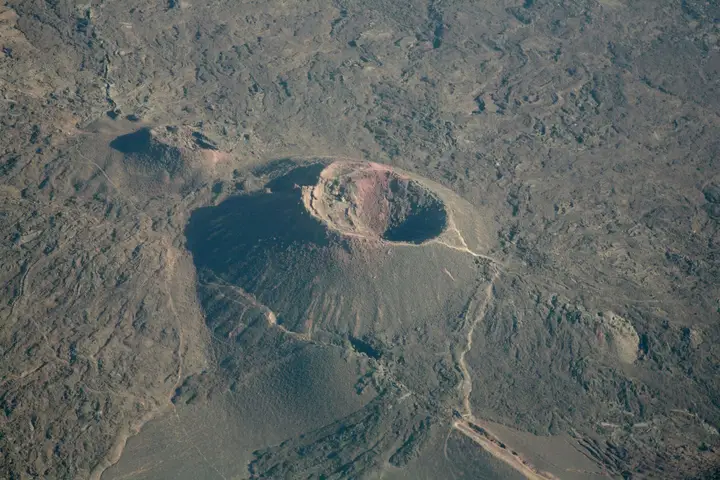
| Ardoukoba | The country’s most recent volcano |
| Korili | The hot springs and their travertine chimneys |
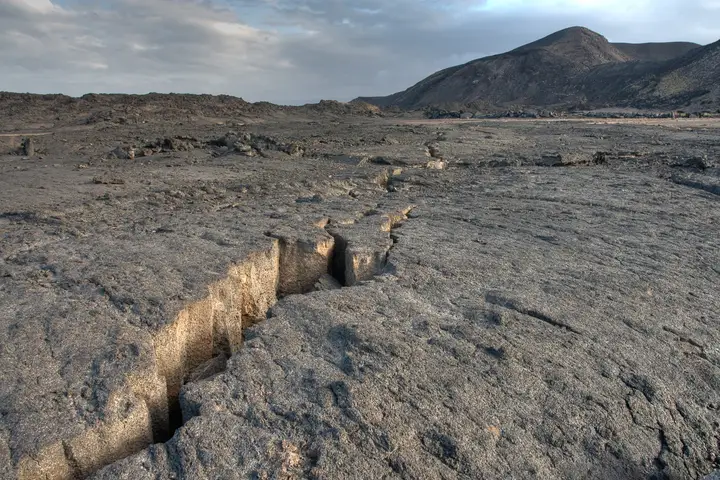
| Rift and lava fields | The Assal fault, to be walked |
| Allols depression | Salt, hot springs and caravan routes |
| Forêt du Day | Djibouti’s last great forest massif |
| Bankoualé | The oasis and its waterfall below the Goda massif |
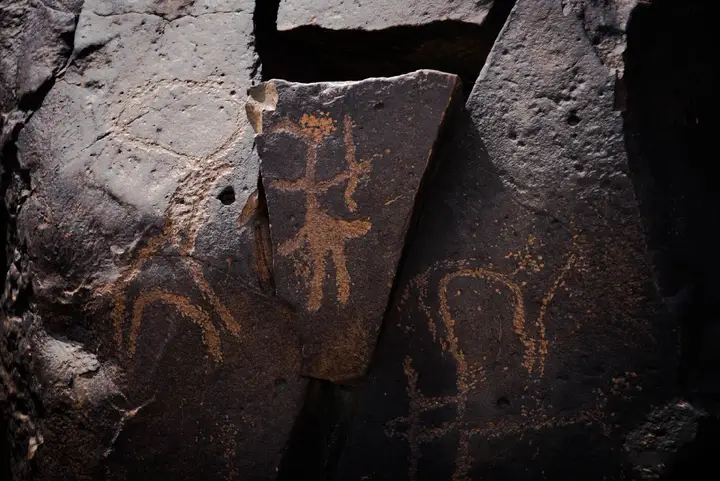
| Abourma | The rock engravings of the Makarrassou massif |
| Tadjourah | The white city and its beaches |
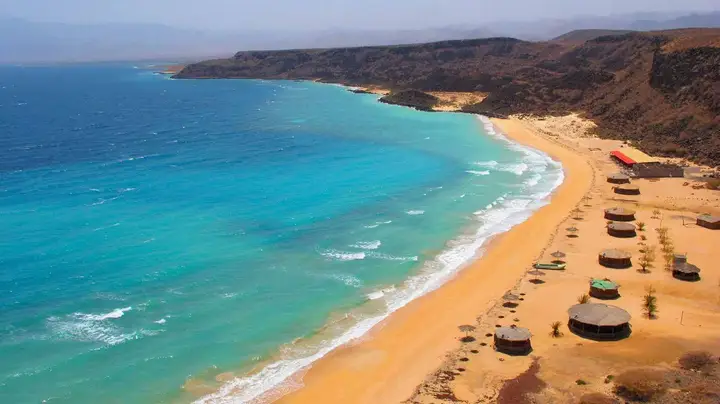
| Les Sables Blancs beach | Cliff, sand and diving |
| Khor Ambado | Golden sand, within reach of the capital |
| Balho | Rock art and the northern border post |
Obock — the north-east
| Destination | What you find there |
|---|---|
| Obock | The former capital and its wild coast |
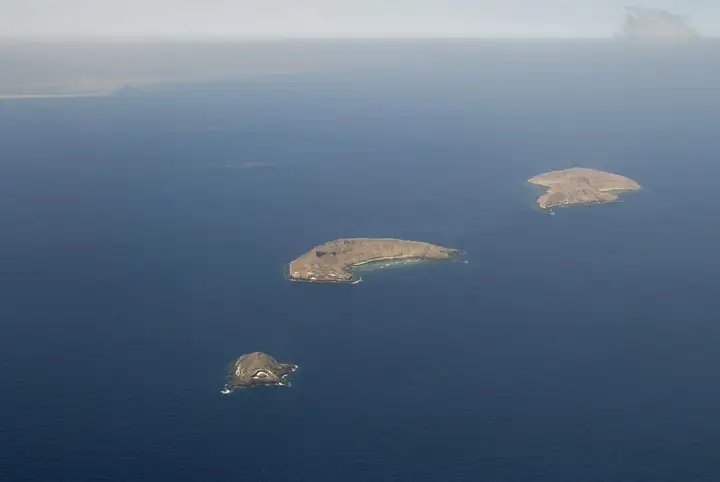
| Seven Brothers archipelago | Diving, at the mouth of the Red Sea |
| Ras Siyan | The volcanic peninsula, west of the archipelago |
| Godoria mangroves | Channels, birds and access by sea |
Arta and the interior
| Destination | What you find there |
|---|---|
| Arta | The relative cool of the interior, on the northern road |
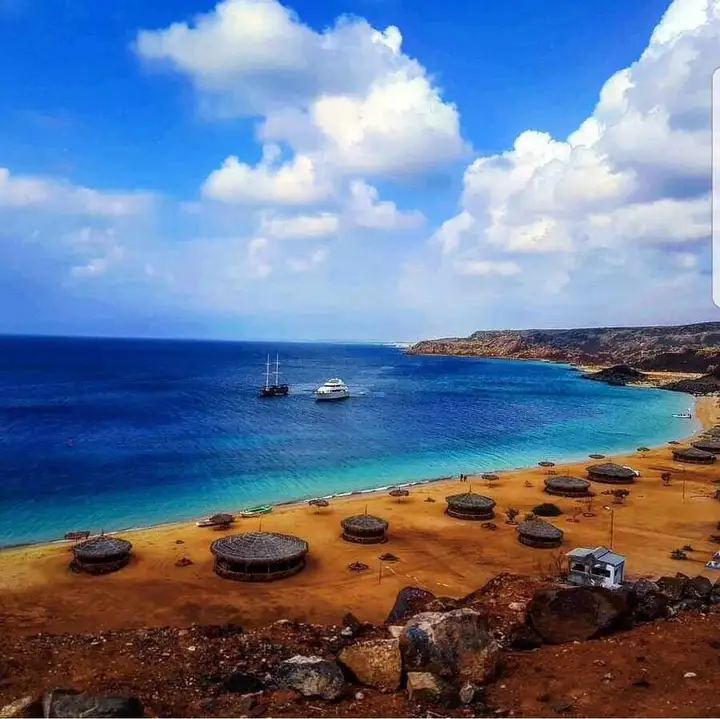
| Douda beach | Stilt bungalows and mangrove |
Ali-Sabieh and Dikhil — the south
| Destination | What you find there |
|---|---|
| Grand Bara | Rock engravings and a sand plain |
| Assamo | The protected area of the beira antelope |
| Daasbiyo cave | Rock paintings and burial mounds |
| Lake Abbe | The limestone chimneys of the Gobaad |
Djibouti City and its islands
| Destination | What you find there |
|---|---|
| Djibouti City | The capital, district by district |
| Moucha and Maskali islands | The day at sea, forty-five minutes by boat |
The two regional pages
Two regions also have a pillar page, which sets out their organisation and links to every site:
| Region | What it groups |
|---|---|
| Ali-Sabieh | The south-east: Grand Bara, Assamo, Daasbiyo, the Holl Holl viaduct |
| Dikhil | The south-west: Lake Abbe, Handoga and the Gobaad tracks |
How to choose according to the time you have?
A single day. Lake Assal is the obvious one: Africa’s lowest point is reached on paved road and combines with Goubet al-Kharab and the Ardoukoba volcano. If you prefer the sea, the day at the Moucha and Maskali islands can be booked the same morning, and Khor Ambado beach or Douda need even less arranging.
Two to three days. Add a destination in the interior. Grand Bara for its rock engravings and its windy plain, or Arta for the relative cool of its 750 metres of altitude. Spread over two days, Tadjourah and Les Sables Blancs beach justify a night on the coast.
Five days and more. Lake Abbe becomes reachable, with a bivouac among the limestone chimneys, and Obock joins the itinerary from the north, by boat or by road. This is the length of stay from which the country really lets itself be crossed.
Which destinations for the sea, which for the interior?
The split is clear and it shapes the whole itinerary.
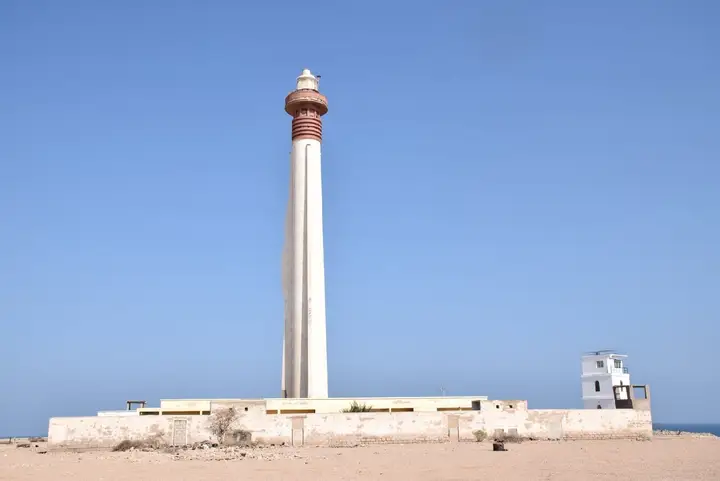
On the sea side. The Moucha and Maskali islands for swimming and snorkelling forty-five minutes by boat, Tadjourah for its Fiaa and Cheick Mohamed beaches and Les Sables Blancs, Obock for the Ras Bir lighthouse, the Godoria mangrove and the Seven Brothers archipelago.
On the interior side. Lake Assal and its salt crust, Lake Abbe and its fumaroles thirty to fifty metres high, Grand Bara and its engravings dated from 3000 to 2000 BCE, Arta and the Goda mountains.
Djibouti City belongs to both worlds: the capital can be walked in the morning and gives access to Le Héron beach, the only city beach that is genuinely swimmable.
How to link the destinations together?
Almost every stay starts from Djibouti City, where Ambouli international airport is. Three transport logics then combine.
For the sites of the interior, paved road goes a long way: Lake Assal is reached in an hour and a half, Arta in under an hour. Beyond that, the track takes over and a 4×4 with a driver becomes necessary — the page car rental in Djibouti sets out where the track really runs.
For the north coast, the ferry to Tadjourah and Obock avoids the 180 kilometres to Tadjourah and the 240 to Obock, and the crossing of the gulf is already part of the journey.
For everything else, organised excursions often remain cheaper than rental as soon as you are travelling as a pair: the two-day programme shows how to link the rift and then the sea.
Where to stay near these destinations?
Three families of accommodation match the destinations in this hub.
In the city, the Plateau du Serpent, Le Héron and Haramous districts cover most needs — the page where to stay in Djibouti compares their advantages and their limits.
On the coast and inland, it is the camps that change the experience: Forêt du Day, Djalélo, Assamo, Dhaydhan, Ras-Bir Houguef. The page camps and ecolodges lists them by region, with their real level of comfort.
At Tadjourah and Obock, finally, the seaside hotels justify staying overnight rather than making the round trip in a day.
What is the best time of year to visit these destinations?
From October to April, every destination in this hub is workable. Temperatures come down on the coast as well as in the basins, and the inland sites stop being ovens. It is also the period when whale sharks return to the Gulf of Tadjourah: decree no. 2023-362/PR/MCT of 6 December 2023 sets the operating window from 15 October to 15 March, with peak sightings from November to January in the Arta Plage marine protected area.
From June to August, the interior becomes difficult: the basins of Lake Assal and Lake Abbe concentrate the heat and go well beyond forty degrees. Only coastal destinations and early-morning boat trips stay comfortable. The month-by-month detail appears in when to go to Djibouti, and the contrast between coast and highlands in weather and climate.
Where to start?
If you are discovering the country, start with the overview what to see in Djibouti, which ranks the ten major sites in the country. Then move on to the experiences — diving and whale shark watching — and then to the itineraries to turn that list into a programme. The practical pages finally cover the visa, transport and the season.
Destinations
Filter by region
Abourma: the rock engravings of the Makarrassou massif
Ali-Sabieh: the south-east region, sites and camps
Allols depression: salt, hot springs and caravans
Ardoukoba: the most recent volcano in Djibouti
Arta: the cool of the interior and whale sharks
Assamo: the protected area of the beira antelope
Balho: rock art and the northern border post
Bankoualé: the oasis at the foot of the Goda massif
Daasbiyo cave: rock paintings and burial mounds
Dikhil: the south-west region, sites and itineraries
Djibouti City: the capital, district by district
Douda beach: stilt bungalows and mangrove
Forêt du Day: the last great forest massif in Djibouti
Godoria mangroves: channels, birds and access by sea
Goubet al-Kharab: the gulf of Demons
Grand Bara: rock engravings and a sand plain
Khor Ambado beach: golden sand near Djibouti
Korili: the hot springs of the Lake Assal sector
Lake Abbe: the limestone chimneys of the Gobaad
Lake Assal: visiting Africa's lowest point
Les Sables Blancs beach: cliff, sand and diving
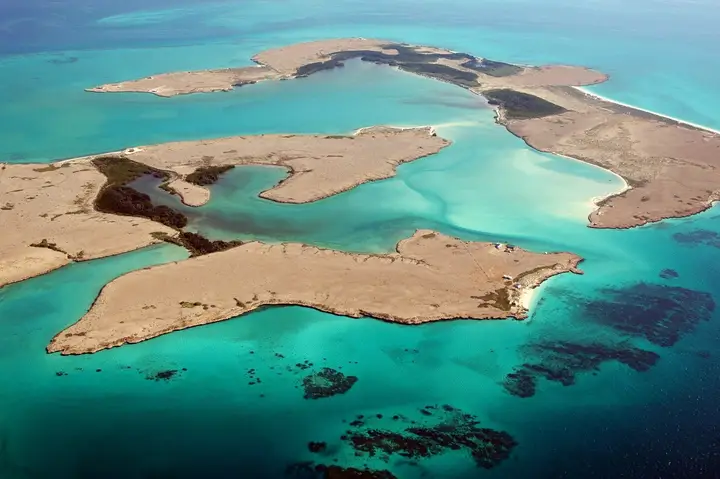
Moucha and Maskali islands: the day at sea
Obock: the former capital and its wild coast
Ras Siyan: the volcanic peninsula of the Obock region
Rift and lava fields: walking on the Assal fault
Seven Brothers archipelago: diving at the entrance to the Red Sea
Tadjourah: the white city and its beaches
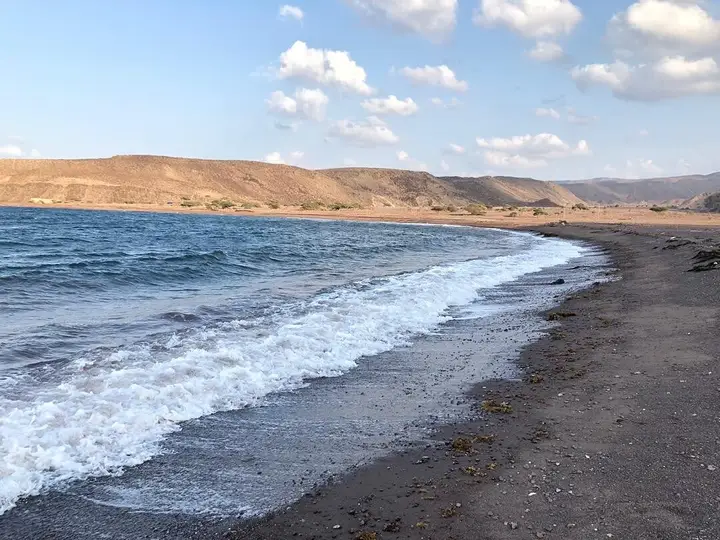
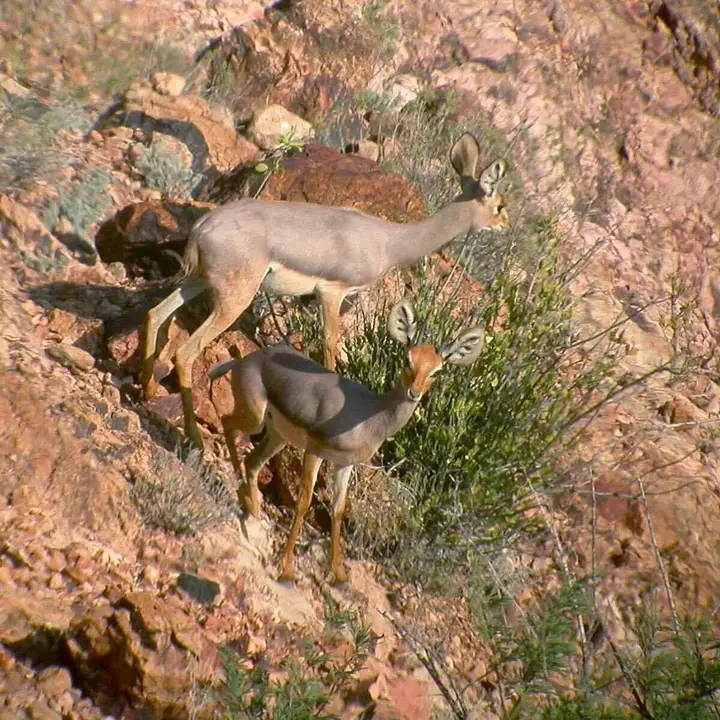
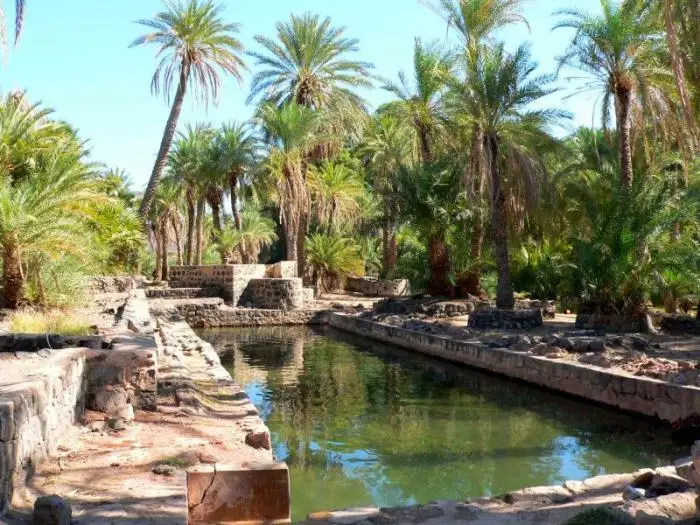
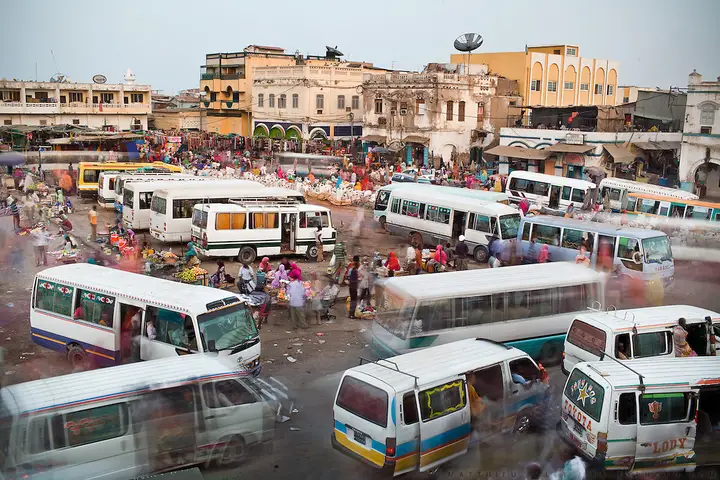
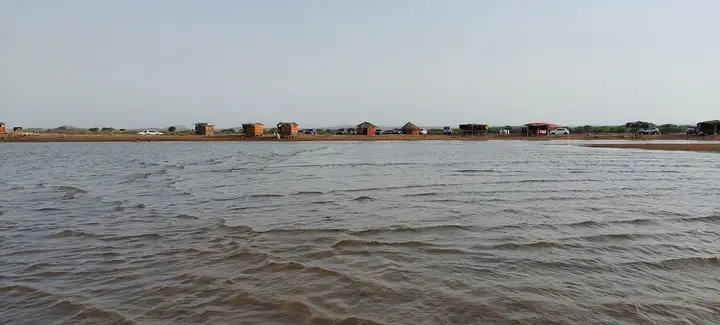
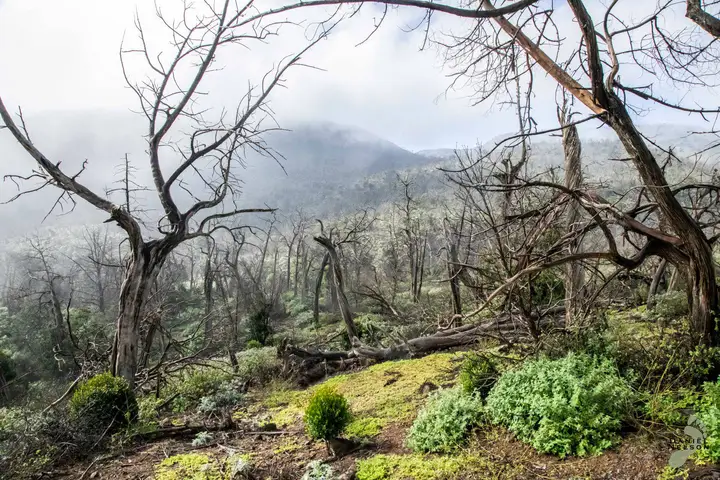
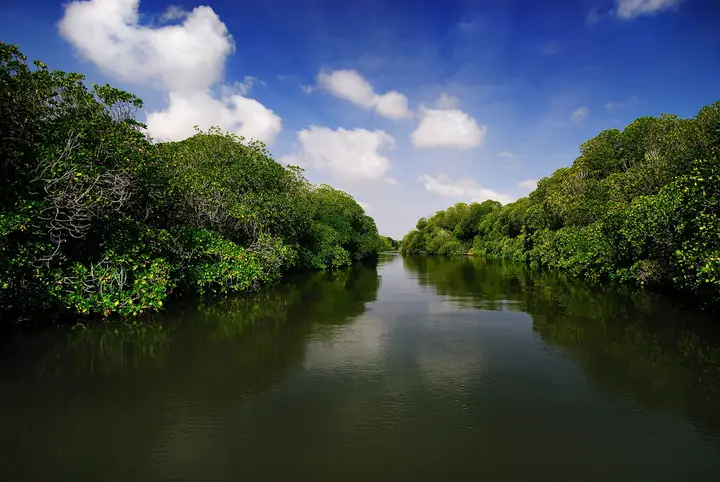
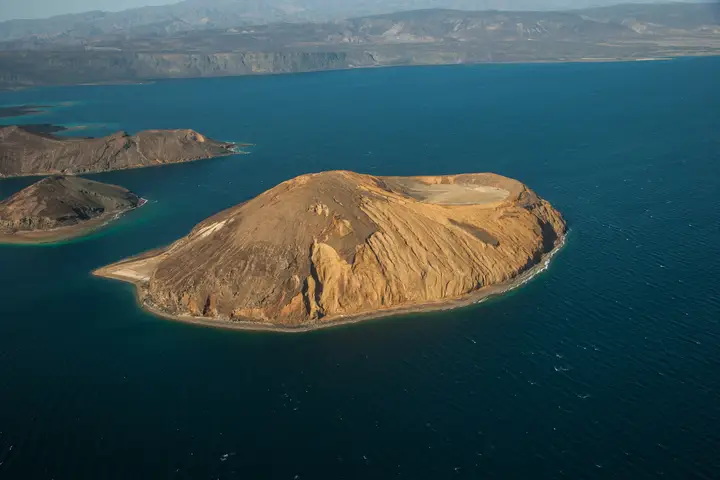
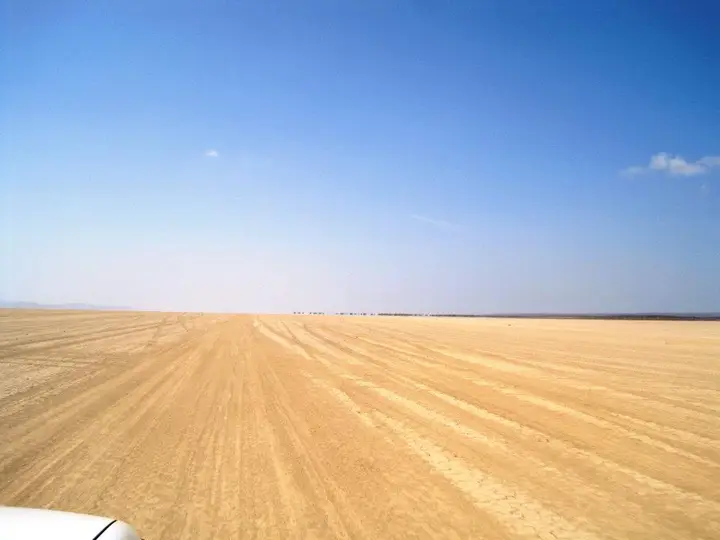
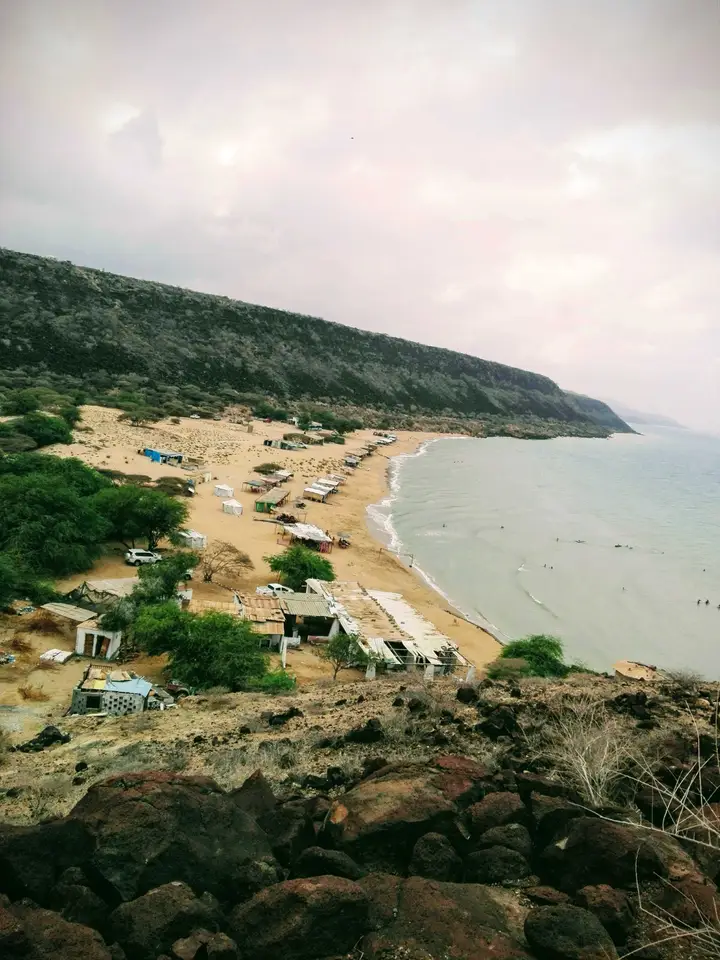
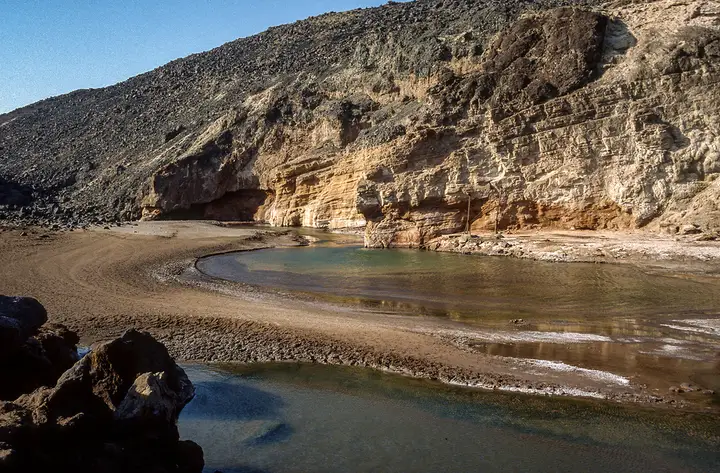
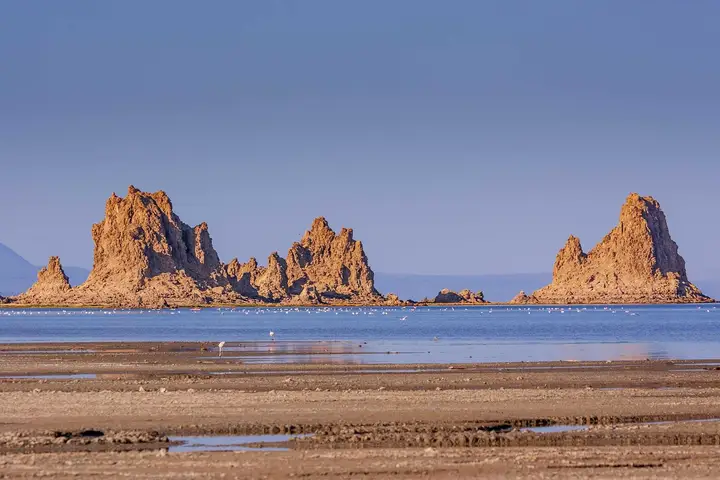
Browse the bookable destinations on DalmarSecure booking, verified provider.
Frequently asked questions
How many destinations can you see in Djibouti in a week?
A week covers five major destinations without rushing: Djibouti City on arrival, Lake Assal as a day trip, the Moucha and Maskali islands by boat, then Tadjourah and Les Sables Blancs with a night on the coast. Lake Abbe needs two days on its own, and Obock is reached more comfortably by boat than by road on such a short stay.
Which destinations in Djibouti suit a first trip?
Three of them form the base of a first stay: Lake Assal, the lowest point in Africa, reachable in a day by road; the Moucha and Maskali islands, forty-five minutes by boat; and Djibouti City, which can be walked in half a day. Add Arta if you want the relative cool of the interior, or Tadjourah if you want to sleep by the sea.
Do you need a 4×4 to reach the destinations in Djibouti?
It depends on the destination. Djibouti City, Arta, Tadjourah and Lake Assal are reached on paved road, although the last few kilometres towards the salt flats are on track. Lake Abbe and Grand Bara, on the other hand, require a 4×4 and a driver who knows the track. Obock is reached by road or by the north coast ferry.
What is the best time of year to visit the destinations in Djibouti?
From October to April for the country as a whole: temperatures come down both on the coast and in the inland basins, and the sites become workable all day. For the whale sharks of the Gulf of Tadjourah, the regulated window runs from 15 October to 15 March, with peak sightings from November to January. From June to August only coastal destinations stay comfortable, and only early in the morning.