Djalelo camp: the ecolodge of the protected valley
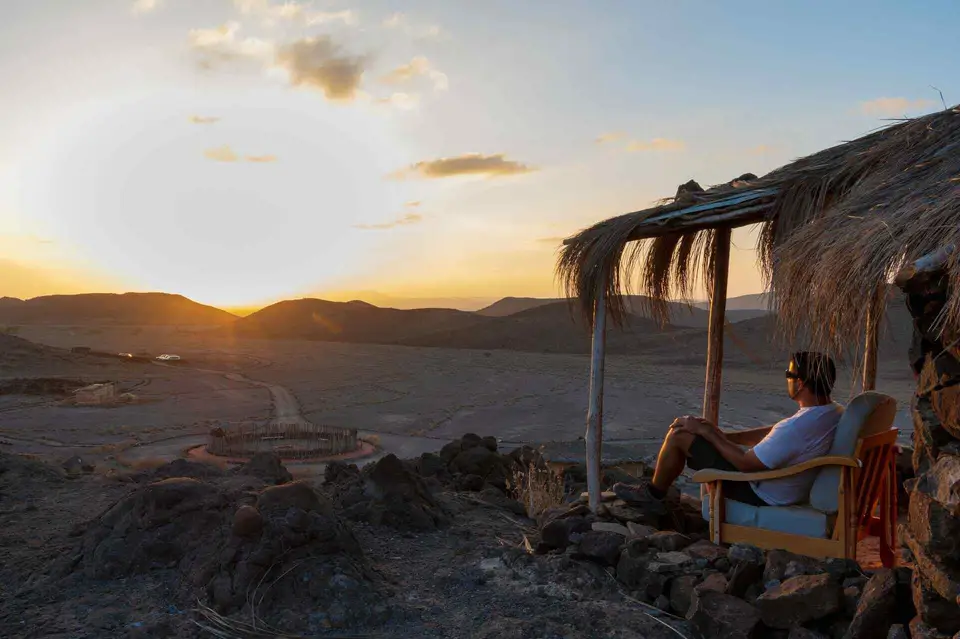
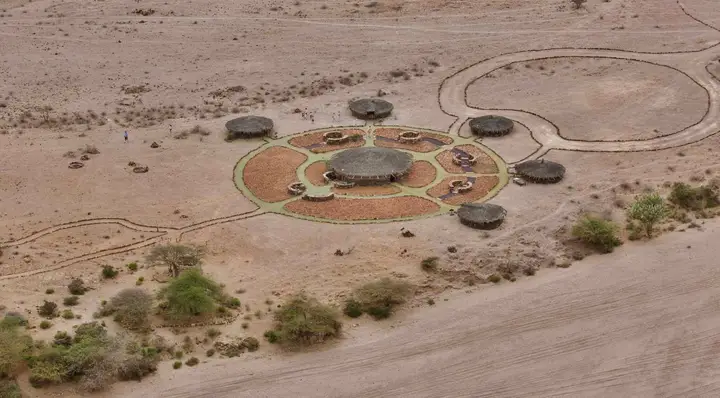
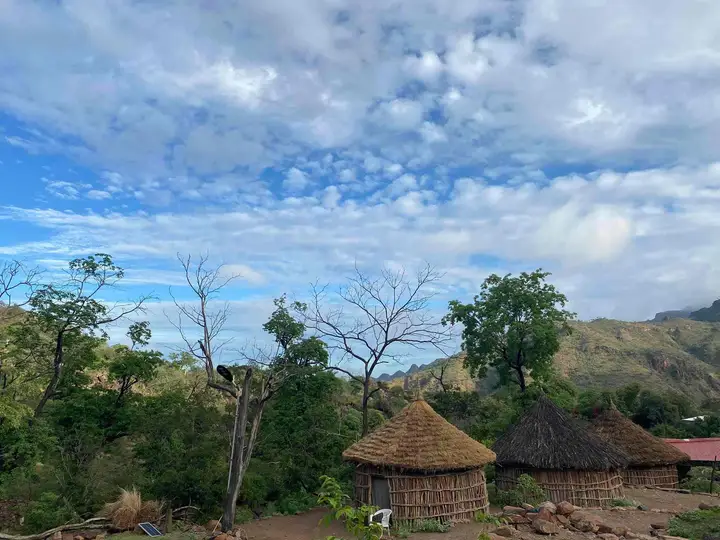
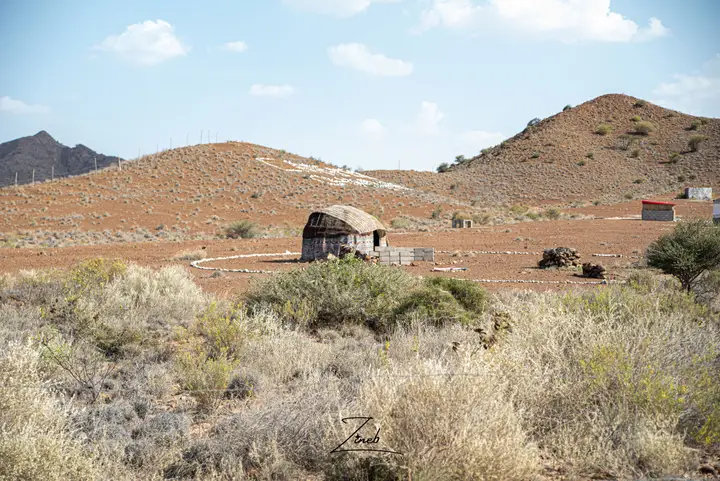
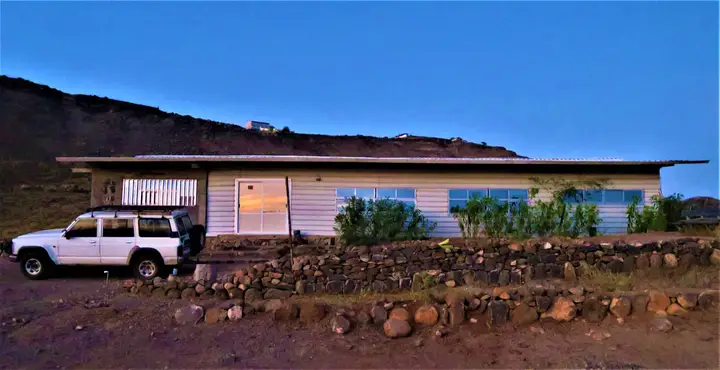
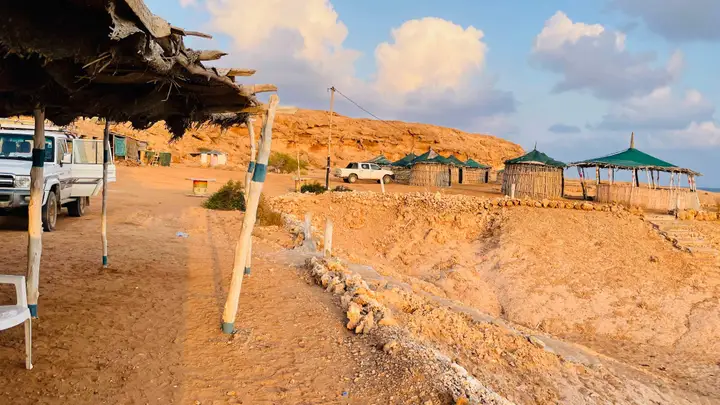
Djalelo is a non-profit ecotourism camp in the Arta region, built by volunteers of the Décan association and inaugurated in January 2014. It has eight rooms, three showers and three barbecue hearths, for thirty people, and stands on the edge of a valley classed as a protected area since 2011. The catalogue publishes no rate and booking must be made directly with the operator.
What is the Djalelo camp?
Djalelo is a non-profit ecotourism camp in the Arta region. It was built by volunteers of the Décan association, hiring only local labour, and inaugurated in January 2014, according to the catalogue.
Its model is explicit: the whole of the money received is reinvested in protecting the sites managed by the association, and the initial stated objective was to fund the wardens’ salaries for the protected areas. It is therefore not a private accommodation giving away a share of its revenue: it is a conservation body that sells nights in order to fund its mission.
| Marker | Data |
|---|---|
| Region | Arta |
| Management | Décan association, non-profit |
| Inauguration | January 2014 |
| Capacity | 30 people |
| Rooms | 8 |
| Showers | 3 |
| Barbecue hearths | 3 |
| Distance | About an hour’s drive from the capital |
| Coordinates | 11.3618 N · 42.7889 E |
| Published phone number | none |
| Rate | not published; set by the operator |
Where is the Djalelo camp?
The camp lies in the Arta region, on the edge of the valley of the same name. The catalogue announces about an hour’s drive from Djibouti City, which places the site among the most accessible camps in the country — a point that counts when you are hesitating between a day trip and a night on site.
The name comes from the place itself: Djalelo is the wadi that flows at the bottom of the valley, and also the yellow-flowered plant lining the tracks of the area. The region is described in detail on our Arta page, which also covers the town, the beach and the neighbouring sites.
What does the Djalelo valley protect?
The valley was classed as a protected area in 2011. The catalogue justifies that status by a remarkable biodiversity concentrated in a space close to the capital — a rare combination, and precisely what makes it vulnerable.
The protected area reaches about 4,000 hectares. It includes the Erolé spur, which rises to nearly 900 metres, framed by a forest of acacias and baïca — sok-sok in Somali — which the catalogue describes as threatened with disappearing because of overgrazing by goats and camels. The document flags a second, less natural pressure: economic development and the proximity of the country’s main road axis.
Which animals can you watch at Djalelo?
Djalelo is presented as a major site for watching the giraffe gazelle, the gerenuk in Somali. This is Waller’s gazelle (Litocranius walleri), an antelope with long slender legs and a slender neck, which does not graze on grass: it feeds on acacia leaves, shoots and fruit, which leads it to stand on its hind legs to reach the canopy. Only the male carries horns.
The catalogue describes a valley that shelters other species too, and the area is known to naturalists for the diversity of its wildlife. One reservation, however: no sighting is guaranteed. Wildlife has to be looked for, earned and respected. Do not feed the animals and do not leave the tracks.
What comfort does the Djalelo camp offer?
The catalogue documents the capacity and the shared facilities: eight rooms, three showers, three barbecue hearths, thirty people in all. That is more than we know about most camps in the country, where these figures are not published.
It says nothing, however, about the type of bedding, the presence of running water, electricity or solar lighting, or how meals are organised. We do not fill that silence by deduction. If these points determine your choice, ask the question directly — our page on camps and ecolodges explains what varies from one site to the next and what to bring.
How much does a night at Djalelo cost?
We publish no price for this camp. It is not an omission: no bookable offer concerns Djalelo on the partner platform, so we have no rate to quote.
The price is set by the body operating the camp and must be confirmed with it directly. Three points to ask about before committing:
- What is included — bed only, meals, breakfast, drinks, a guided outing. It is the first source of a gap between the advertised price and the bill.
- The group rate, when you come as several: the logic of Djiboutian camps brings the unit price down with the size of the group.
- The payment method — plan for cash, card payment being rare outside Djibouti City.
When should you visit Djalelo, and how do you book?
The cool season, from October to April, remains the most comfortable window: the Arta area is cooler than the coast, but summer there is still hot and activity drops. The month-by-month detail is on the page when to go to Djibouti.
Booking is the weak point of the sector: no telephone number is recorded for Djalelo, capacities are small and the weekends of the cool season go early. Go through an operator who knows the region, have what is included confirmed, and plan a fallback. To compare, see the other camp managed by the same association, Assamo, in the Ali-Sabieh region.
Frequently asked questions
Who runs the Djalelo camp?
The camp was built by volunteers of the Décan association, which works to protect Djiboutian wildlife, and it hired only local labour. It was inaugurated in January 2014. The whole of its revenue is reinvested in protecting the sites managed by the association, with a stated objective: funding the salaries of the protected areas' wardens.
What is the capacity of the Djalelo camp?
The catalogue announces eight rooms, three showers and three barbecue hearths, for a total capacity of thirty people. With Assamo, it is one of the rare camps in the country whose catalogue publishes this level of detail. We have no information on how the beds are distributed, on running water or on electricity: these points must be confirmed before booking.
Which animals can you watch at Djalelo?
The valley is a recognised site for watching Waller's gazelle, also called the gerenuk or giraffe gazelle, a long-legged antelope that stands on its hind legs to browse acacias. The catalogue presents it as the site's main attraction. As always with wildlife, a sighting is never guaranteed: treat it as a chance, not as a service.
How much does a night at the Djalelo camp cost?
We publish no rate for this camp, for lack of a verified rate. No bookable offer concerns it on the partner platform. The price is set by the body that operates it, and it depends on what is included: bed only, meals, breakfast, a guided outing. Ask for written confirmation before paying, stating the number of people.
Why is the Djalelo valley protected?
The site was classed as a protected area in 2011, because of a remarkable biodiversity concentrated in a space close to the capital. The protected area reaches about 4,000 hectares and includes the Erolé spur, which rises to nearly 900 metres. That proximity is also its fragility: the catalogue flags the pressure of economic development and of the country's main road axis.
Sources
Location
Lat. 11.36180Lng. 42.78887
Where to stay
Read next
Affordable hotels in Djibouti: the 3★ against their rating
Assamo camp: sleeping in the land of the beira
Camps and ecolodges: sleeping in the wild
Dhaydhan camp: a nomadic night near Ali-Sabieh
Dittilou camp: sleeping in the cirque
La Maison des Randonneurs: sleeping in Arta, pack on
Luxury hotels in Djibouti: the 4★ and 5★ against their score
Ras-Bir Houguef: the isolated camp on the Obock coast