
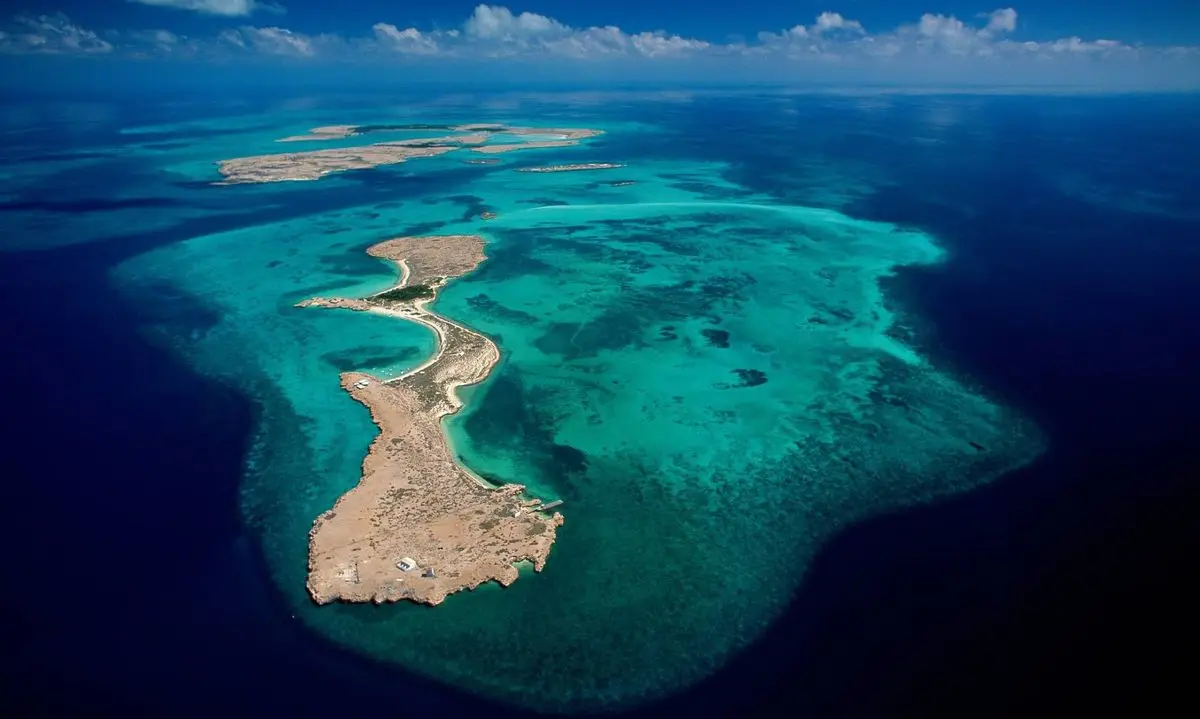
Le guide indépendant du voyage à Djibouti
Djibouti travel guide: what to do, see and book
Africa's lowest point, a lake saltier than the Dead Sea, whale sharks you can swim beside — Djibouti packs into 23,200 square kilometres what usually takes several trips.
27 destinations · 14 itineraries · 19 where to stay
Djiboutiat a glance
The map, the official symbols, the highlights — and what to know before planning the trip.
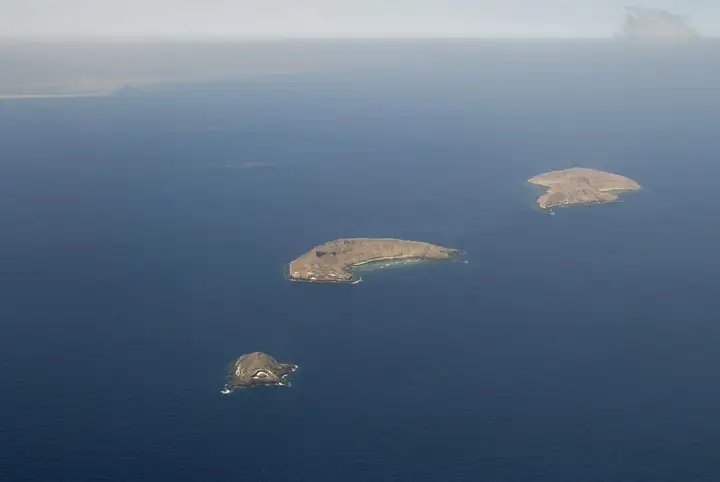
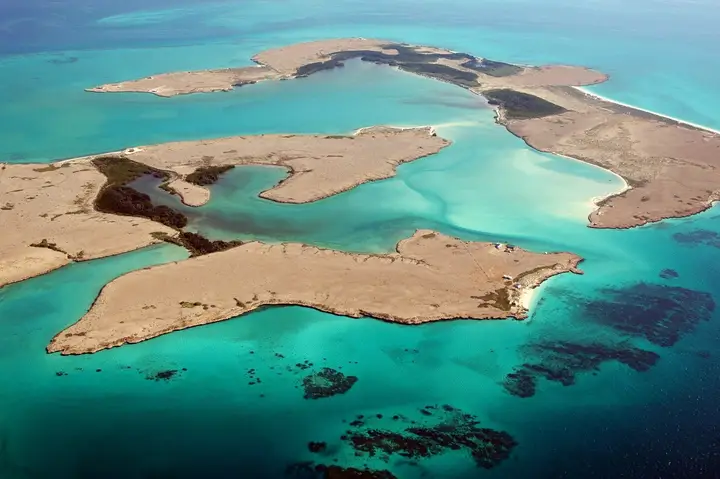
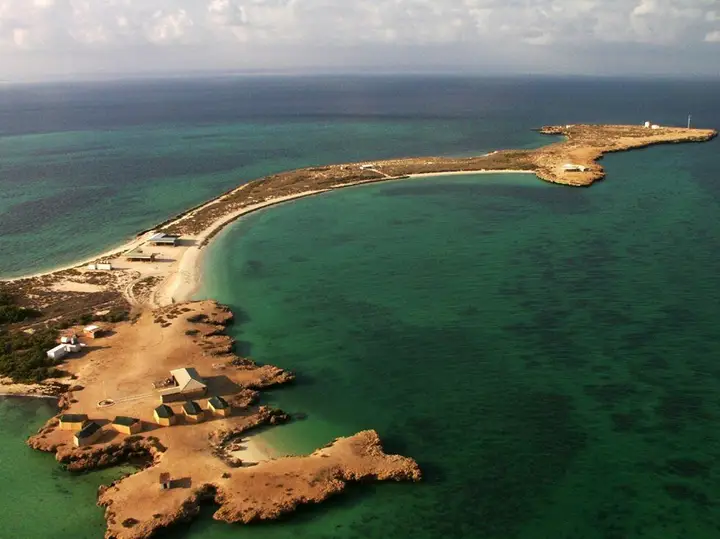
Djibouti fits into three to five days, roughly one day per major site. Lake Assal, 155 metres below sea level, opens the inland route: Goubbet al-Kharab, lava fields and the Ardoukoba volcano. Further north lie Lake Abbé and the Day forest. On the coast, Moucha, Maskali, the Seven Brothers archipelago and the Godoria mangroves. Go between October and April; whale sharks are seen from November to January.
3 to 5days cover the essentials
23,200 km² at the mouth of the Red Sea
The country sits at the outlet of the Bab el-Mandeb strait, between the Horn of Africa and Arabia.
October to April, eight workable months
On the coast, temperatures stay between 25 and 30 °C. From June to August the interior tops 40 °C.

 27destinations covered
155 mbelow sea level, at Lake Assal
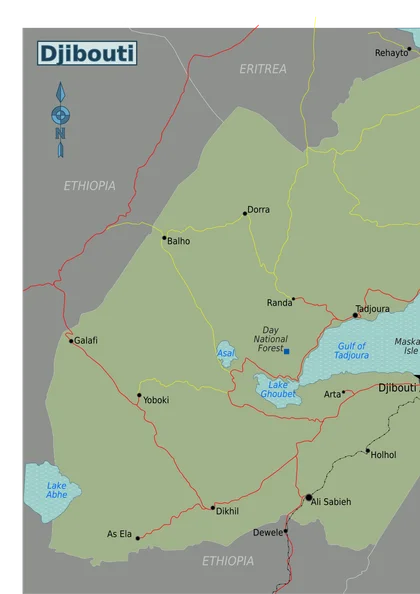
Carte : Peter Fitzgerald, CC BY 3.0, via Wikimedia Commons
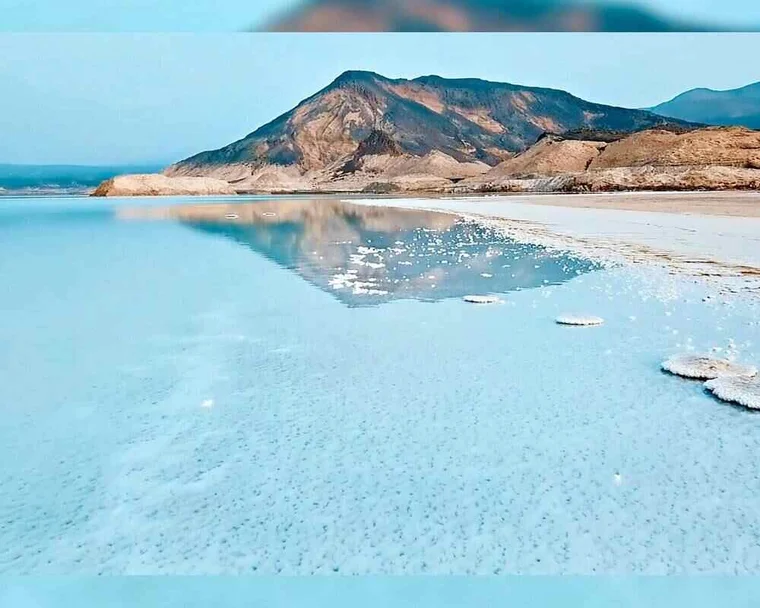
Lac Assal : Visit Djibouti · Carte : Peter Fitzgerald, CC BY 3.0, via Wikimedia Commons
649sources cited
Book your trip
Activities, trips and stays in Djibouti are booked on dalmar.app. This guide documents the country: it has no cart and no fixed prices.
Browse bookable activities across DjiboutiSecure booking, verified provider.
Why travel to Djibouti?
Djibouti covers 23,200 square kilometres, roughly the size of a mid-sized European region, yet it lines up three geological oddities that rarely appear together: three tectonic plates pulling apart, the lowest land point on the African continent, and a gulf where the largest fish in the world surfaces every winter.
The country is still lightly visited, and that is precisely the point. No queue at Lake Assal, no convoy of boats over the Seven Brothers reefs, no concrete on the beaches at Douda.
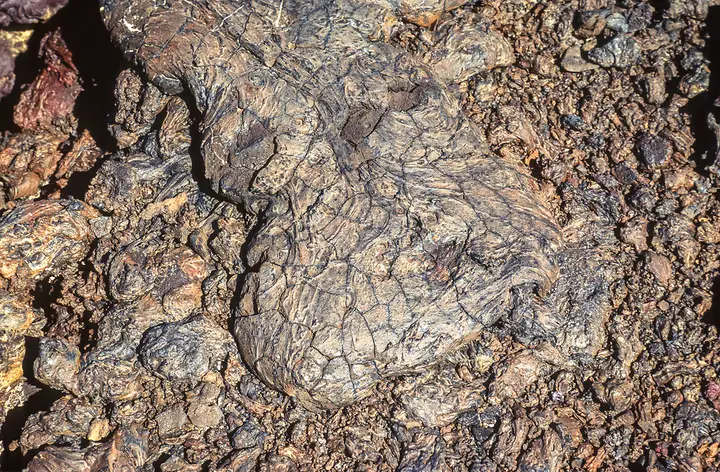
Because everything is close, the usual travel logic inverts. You do not spend hours crossing the country to link two sites; you change worlds in ninety minutes of driving. Lake Assal, the Goubbet al-Kharab, the lava fields and the Ardoukoba volcano all fit inside a single day.
This guide is written and maintained by an independent editorial team. We are not affiliated with Djibouti’s national tourism agency, and we say so on every page. Our method, our sources and our commercial relationships are documented in the editorial method page.
What are the experiences worth the flight?
| Experience | Where | Time needed | Season |
|---|---|---|---|
| Swim with whale sharks | Gulf of Tadjoura | Half a day | Nov – Jan |
| Lake Assal, Africa’s lowest point | Tadjourah region | One day | Oct – April |
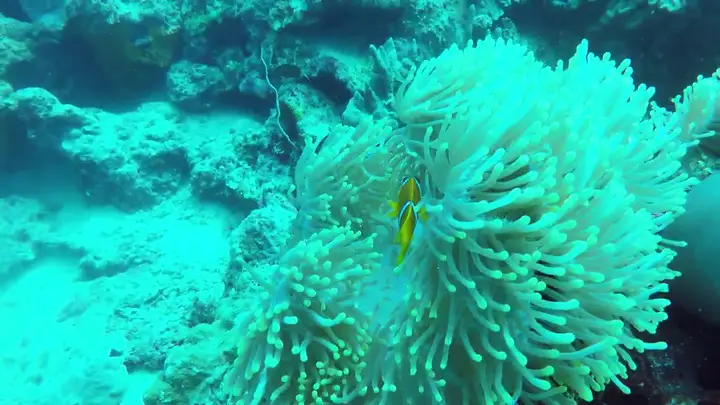
| Diving the Seven Brothers reefs | Obock archipelago | One to two days | Oct – May |
| Moucha and Maskali islands | Gulf of Tadjoura | One day | Year round |
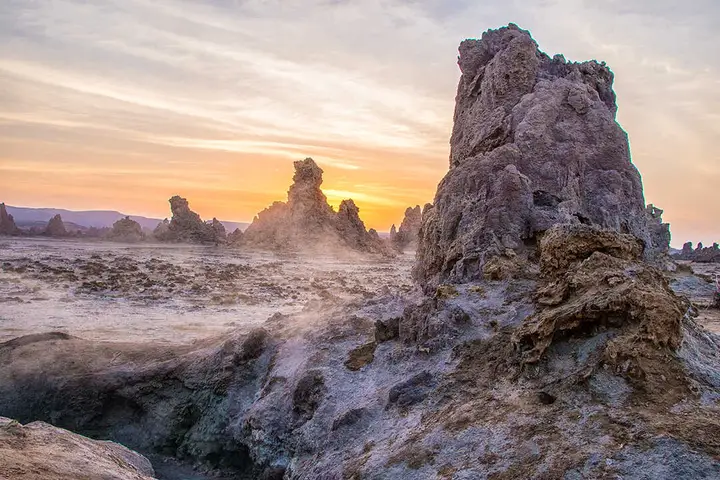
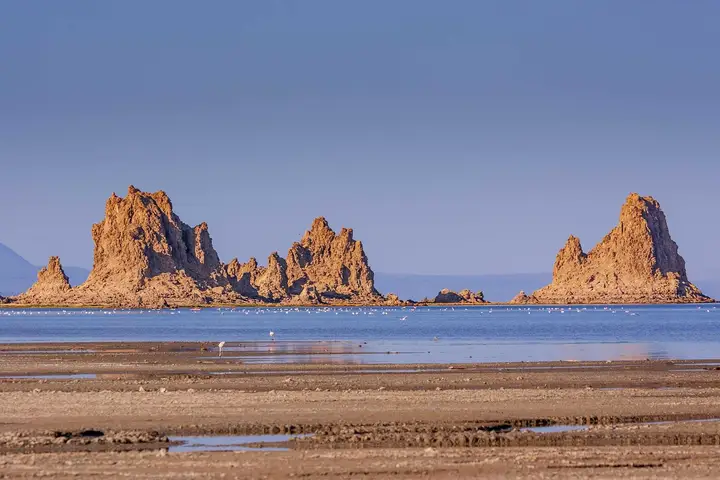
| Lake Abbé and its limestone chimneys | Dikhil region | One to two days | Nov – March |
| Bivouac in the Grand Bara | Grand Bara plain | One night | Nov – March |
| Day forest and the Goda mountains | Tadjourah region | One to two days | Year round |
| Central market and old town | Djibouti City | Half a day | Year round |
Which sites can you realistically combine?
Time, not distance, is the constraint. Three combinations work well.
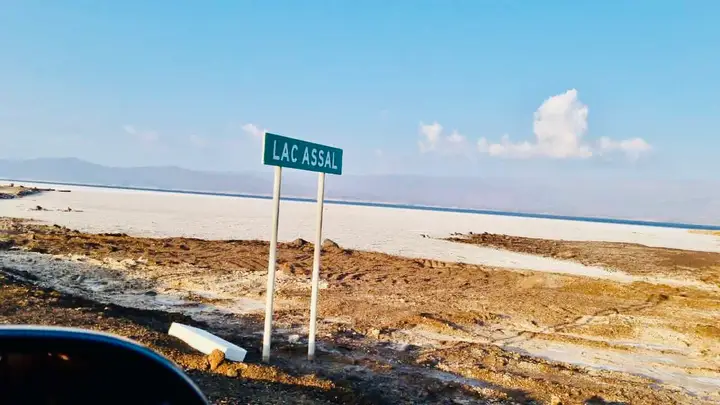
One day from the capital. Lake Assal is the obvious choice: 155 metres below sea level, reached on paved road, and easy to pair with the Goubbet al-Kharab and the Ardoukoba volcano. If you would rather be on the water, the Moucha and Maskali boat trip can be booked the same morning.
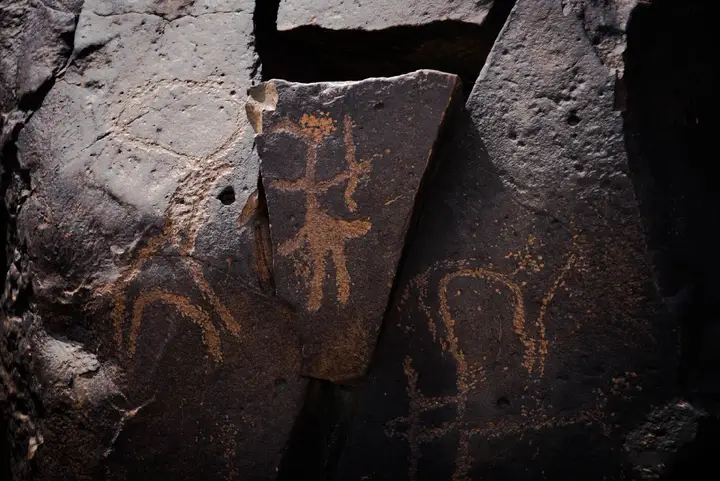
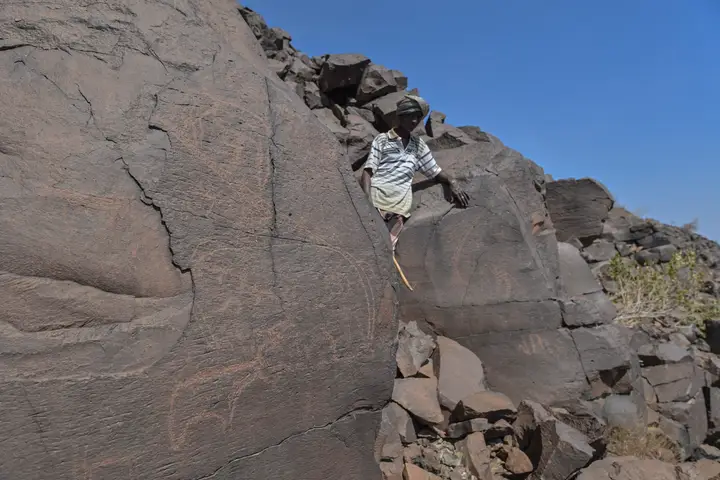
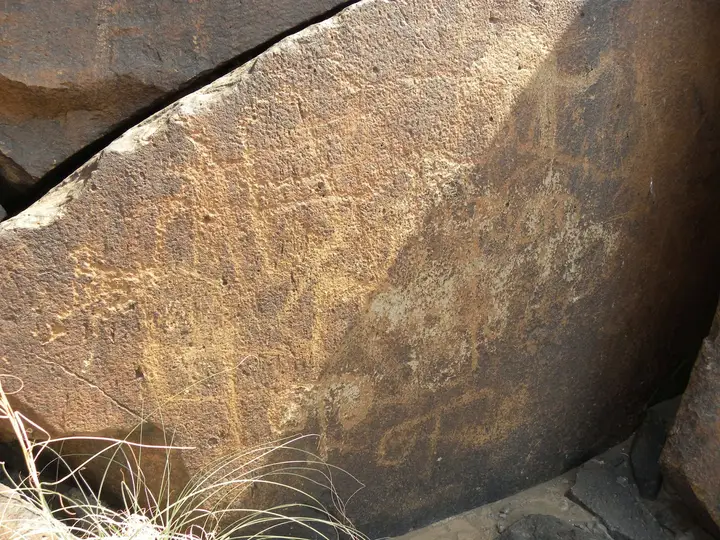
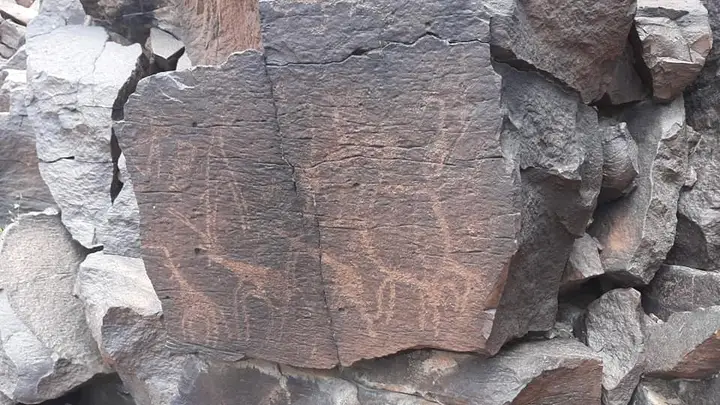
Two to three days. Add an inland destination. Arta sits at 750 metres and offers relative cool, while the Grand Bara plain holds rock engravings dated between 3000 and 2000 BCE. Tadjourah and the Sables Blancs beach justify a night on the coast.
Five days or more. Lake Abbé becomes reachable with a bivouac among its calcite chimneys, and Obock joins the route from the north by boat or road. This is the duration at which the country genuinely opens up.
When should you go?
October to April is the window that works everywhere. Coastal temperatures drop, the interior basins stop being furnaces, and diving conditions settle. November to January is the peak: whale sharks are in the gulf, and European school holidays fill what limited hotel capacity Djibouti City has.
From June to August, the interior becomes hard going. The Lake Assal and Lake Abbé basins trap heat and push well past forty degrees. Only coastal destinations and early-morning boat trips stay comfortable.
Where should you base yourself?
Almost every itinerary starts in Djibouti City, where the international airport is. The Plateau du Serpent concentrates most hotels and restaurants and can be walked in the evening; Le Héron is quieter and sits beside the only genuinely swimmable city beach; Haramous suits early departures and is about seven kilometres from the airport.
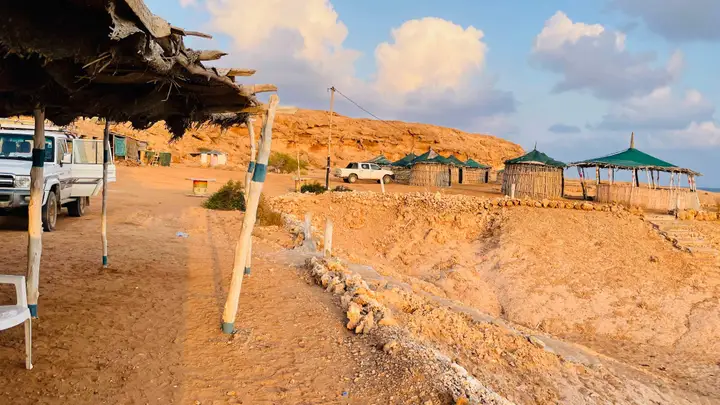
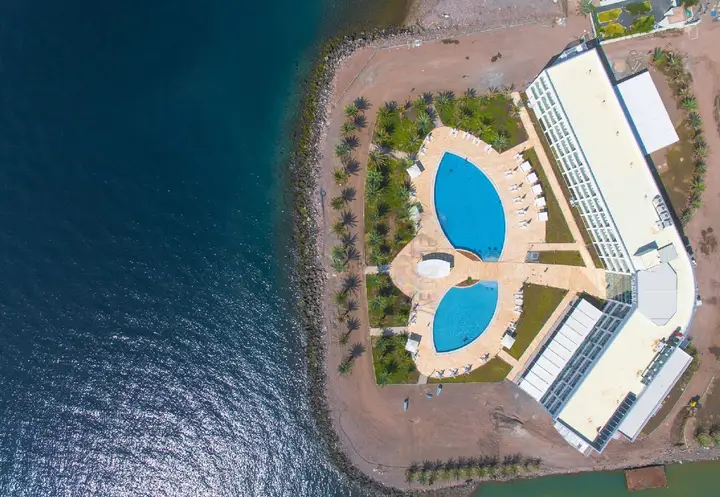
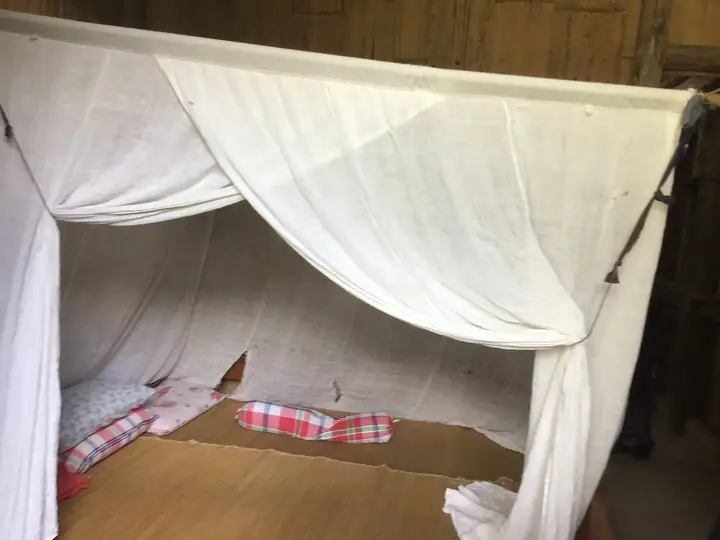
Outside the capital, Tadjourah and Obock offer seafront hotels and bungalows, while nine eco-camps across the country, from the Day forest to Ras-Bir Houguef, trade comfort for an experience that is hard to match.
How do you get around?
Paved roads reach further than most visitors expect: about ninety minutes to Lake Assal and under an hour to Arta. Beyond that, tracks take over and a 4x4 with a driver becomes necessary, at roughly 44,000 Djiboutian francs per vehicle per day, which works out cheaper from four people upwards. For the northern coast, the ferry to Tadjourah and Obock crosses the gulf in about ninety minutes for roughly 1,100 francs per adult, against 180 and 240 kilometres of road.
Where to read next
This English section is being built page by page, so some reference guides are currently published in French. The translated guides appear below, and the French pages remain fully accessible.
- Lake Assal, Africa’s lowest point — access, prices, swimming and the best season, in English.
- All destinations — the eight documented sites, sorted by time needed and season.
- Experiences — diving the Gulf of Tadjoura and swimming with whale sharks.
- Itineraries — how to chain sites across two, four or seven days.
- Practical information — visa, climate, car hire and the ferry.
- Where to stay — city districts, camps and eco-lodges.
- What to see in Djibouti — the ten major sites ranked.
- Culture — food, heritage and crafts.
- Editorial method — our sources, our update policy, and how our booking links work.
Destinations
Destinations
Abourma: the rock engravings of the Makarrassou massif
Ali-Sabieh: the south-east region, sites and camps
Allols depression: salt, hot springs and caravans
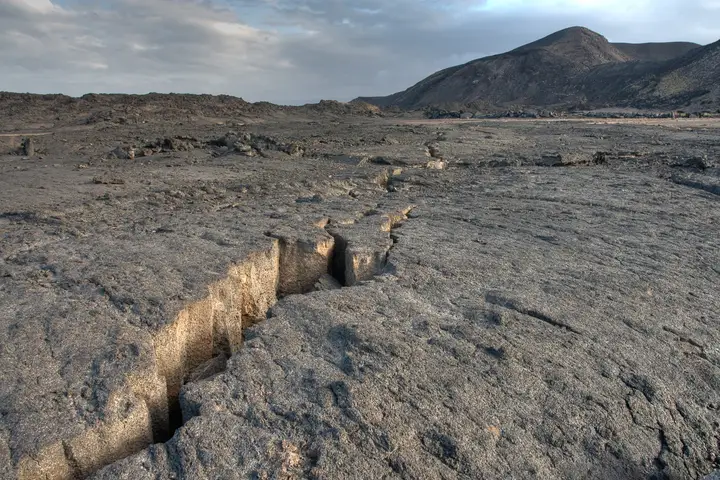
Ardoukoba: the most recent volcano in Djibouti
Arta: the cool of the interior and whale sharks
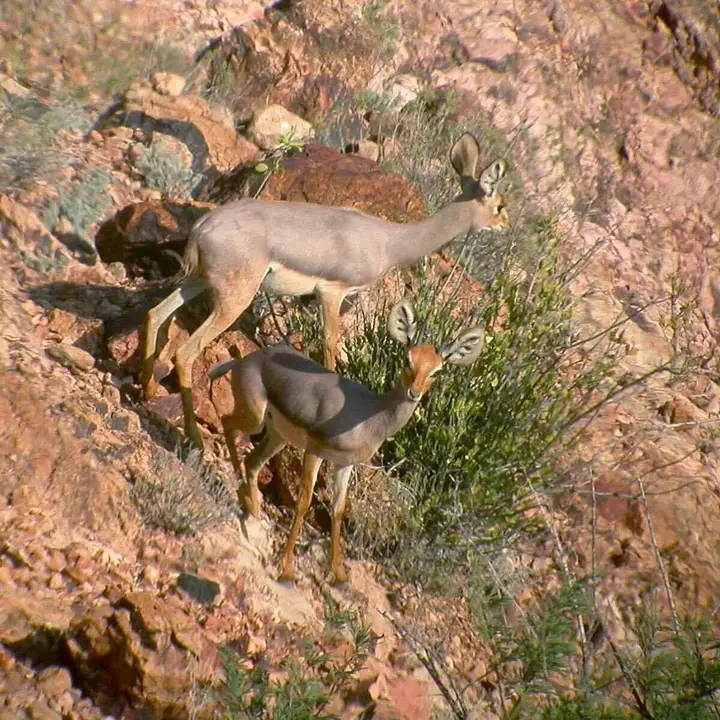
Assamo: the protected area of the beira antelope
Balho: rock art and the northern border post
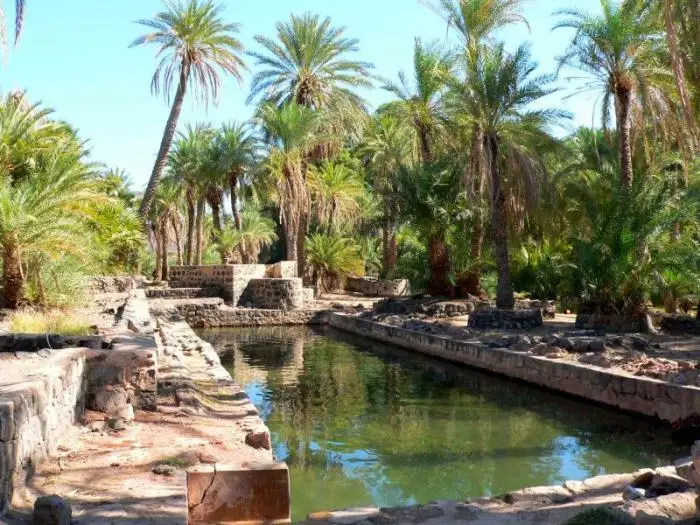
Bankoualé: the oasis at the foot of the Goda massif
Daasbiyo cave: rock paintings and burial mounds
Dikhil: the south-west region, sites and itineraries
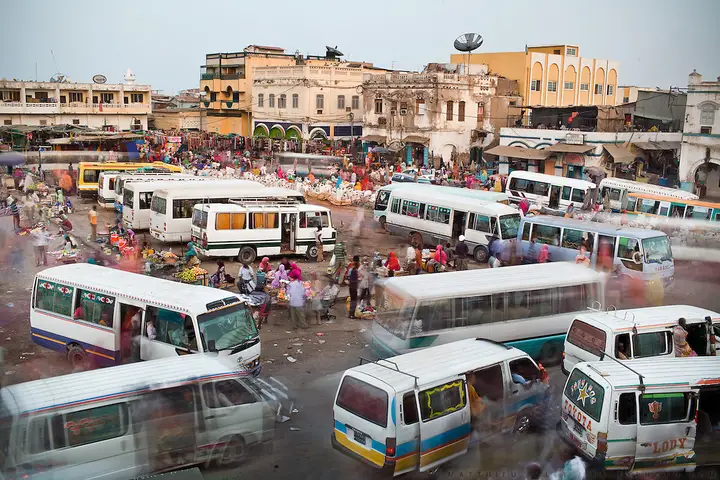
Djibouti City: the capital, district by district
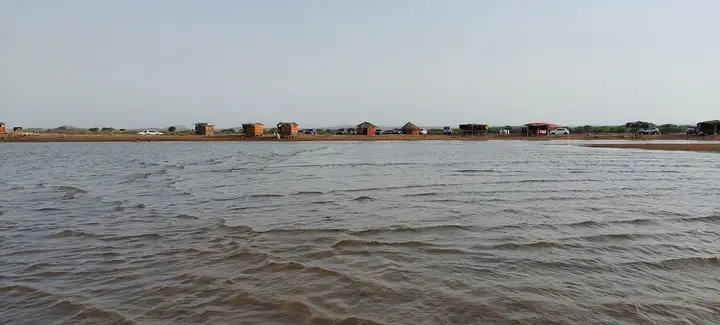
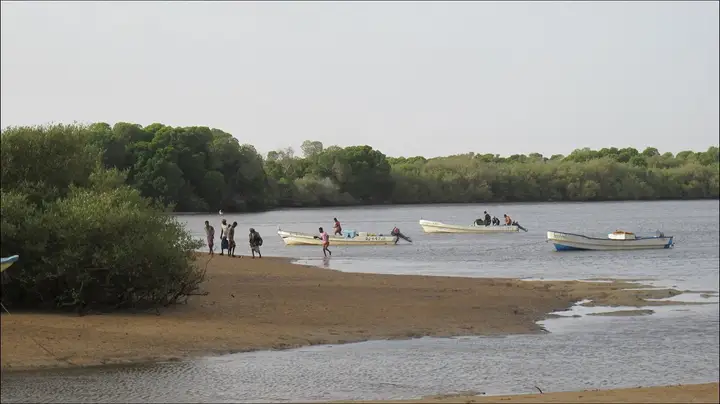
Douda beach: stilt bungalows and mangrove
Experiences
Experiences
Planning your trip
Check your visa
Most nationalities apply online through the official e-Visa portal, for a short-stay tourist visa valid about one month. Confirm the rule for your own passport before booking flights.
Pick your season
October to April for the whole country, and November to January if whale sharks are the reason for the trip. Avoid June to August if you plan to head inland.
Sort out transport
Paved roads reach Lake Assal and Arta. Beyond that a 4x4 with a driver becomes necessary. For the northern coast, the ferry to Tadjourah and Obock crosses the gulf.
Book with Dalmar
Once your dates are set, activities, accommodation and packages are booked on dalmar.app. This guide has no cart and no fixed prices: it documents, Dalmar transacts.
Itineraries
Itineraries
Budget in Djibouti: backpacker, mid-range, luxury
Culture and heritage: rock art and old cities in four days
Desert and lakes: salt, rift and Lake Abbe in four days
Diving in Djibouti: the three-day itinerary
Djibouti and Ethiopia: combining the two countries
Djibouti in 1 day: the rift or the beach?
Djibouti in 10 days: the assembly of three itineraries
Djibouti in 2 days: the rift, the salt and the sea
Djibouti in 2 weeks: what the second week adds
Djibouti in 3 days: eight tours compared
Djibouti in 5 days: an assembly, not a package
Djibouti in 7 days: the rift, the desert and the north coast
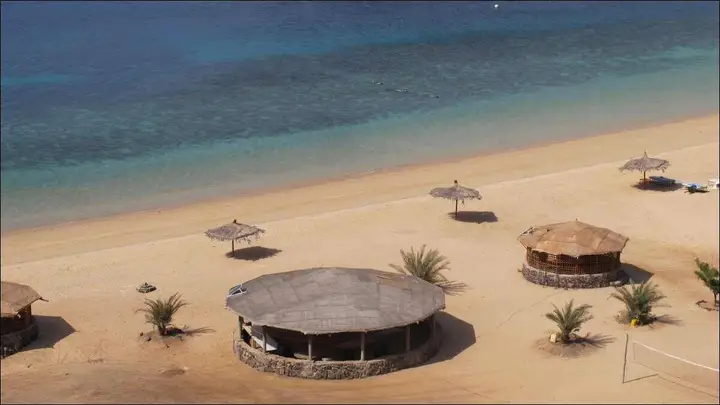
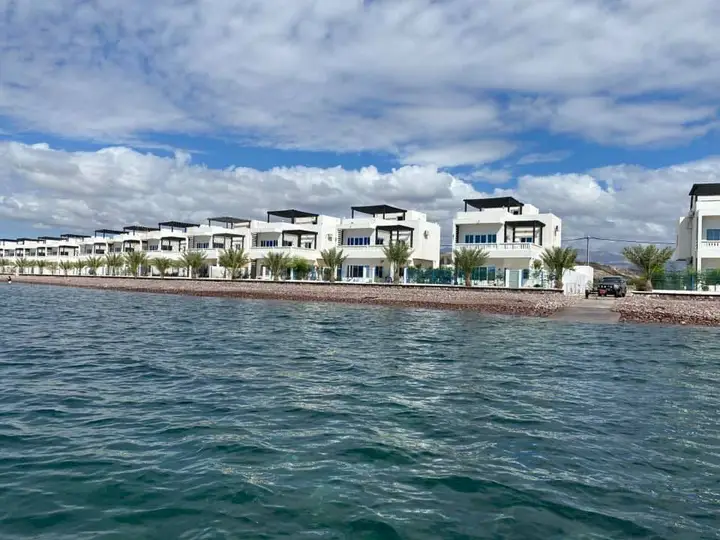
Comparisons
Comparisons
Camp or hotel in Djibouti: what do you gain?
Car hire companies in Djibouti: eight agencies, no ranking
Dive centres in Djibouti: two operators, not ten
Lake Assal or Lake Abbé: two salt deserts, two budgets
Moucha or Maskali: two islands, one trip?
Which neighbourhood to stay in Djibouti City?
Which season for the whale shark in Djibouti?
With or without a driver in Djibouti: deciding
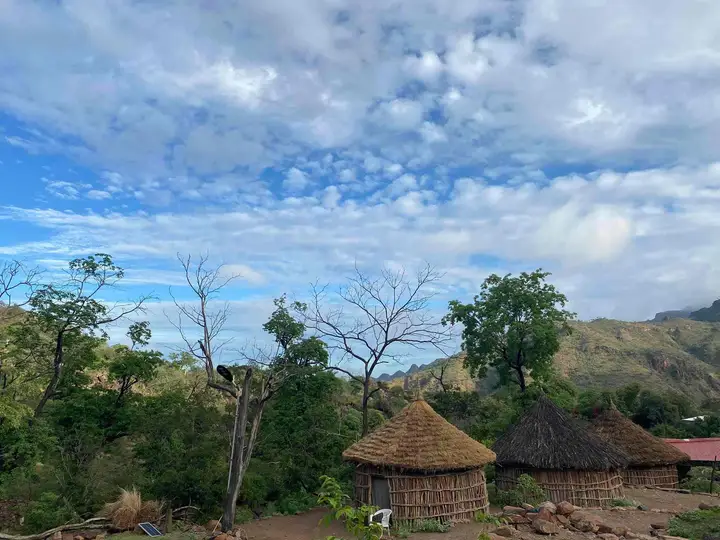
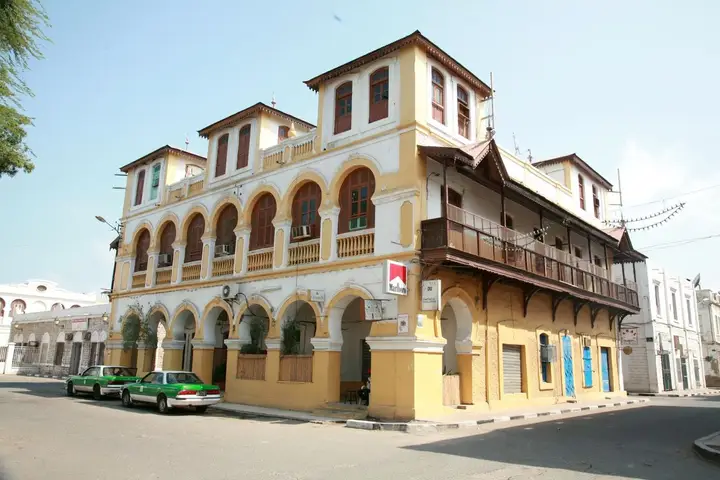
Culture
Culture
Where to stay
Where to stay
Affordable hotels in Djibouti: the 3★ against their rating
Assamo camp: sleeping in the land of the beira
Camps and ecolodges: sleeping in the wild
Dhaydhan camp: a nomadic night near Ali-Sabieh
Dittilou camp: sleeping in the cirque
Djalelo camp: the ecolodge of the protected valley
La Maison des Randonneurs: sleeping in Arta, pack on
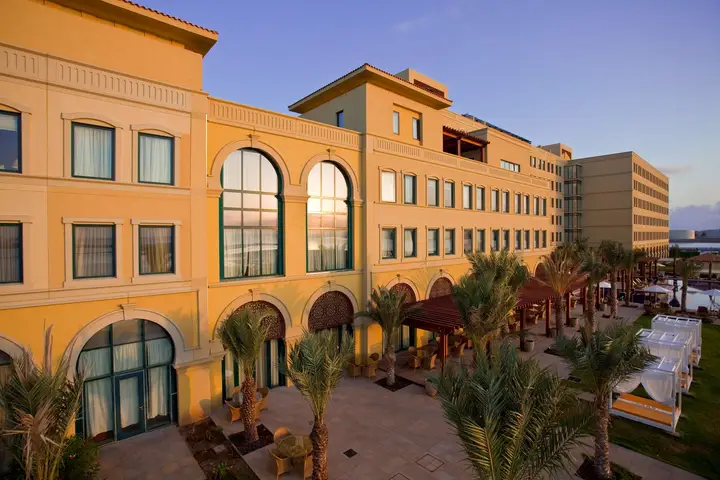
Luxury hotels in Djibouti: the 4★ and 5★ against their score
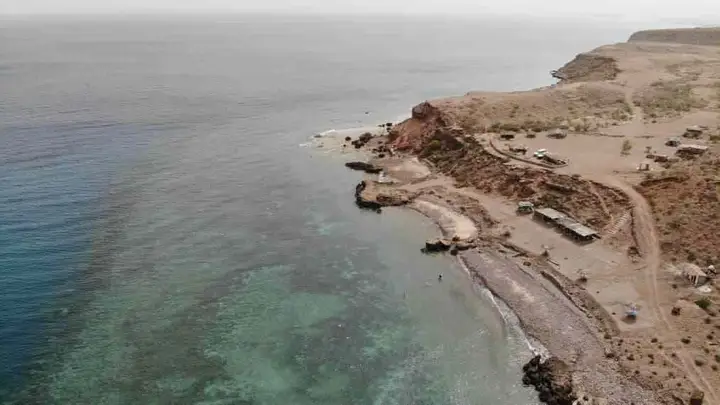
Ras-Bir Houguef: the isolated camp on the Obock coast
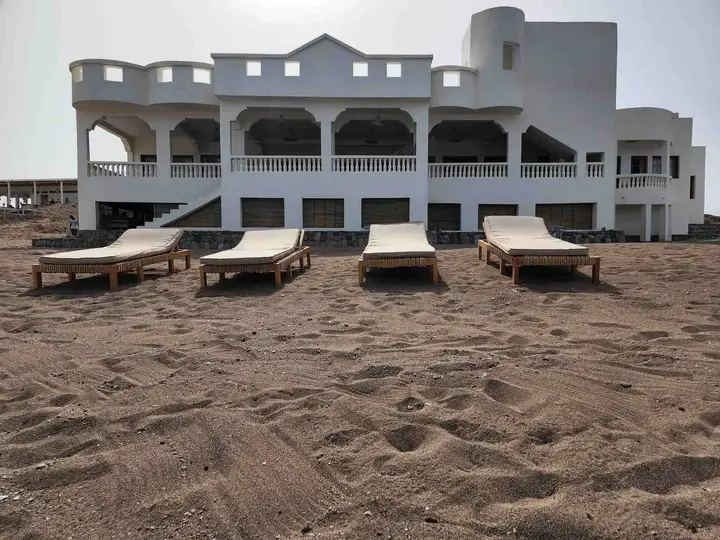
Rayali chez Fato: the camp of Rayali bay
Residences and apartments in Djibouti: the real offers
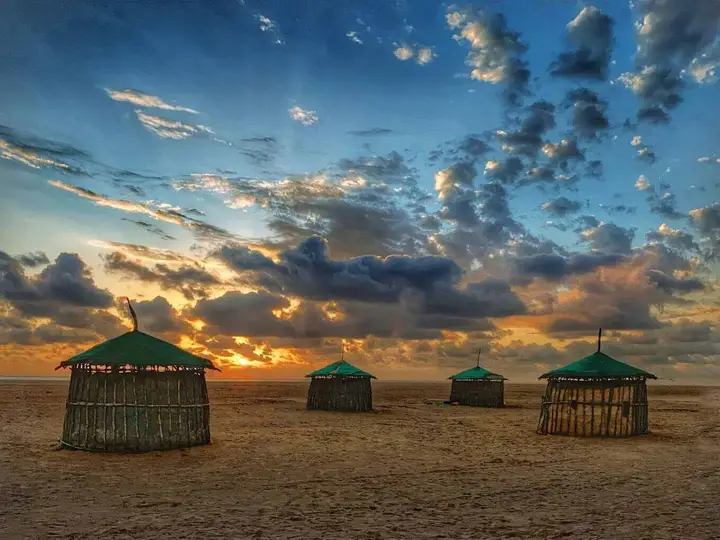
Seven Brothers camp: the Khor-Angar mangrove, at Obock
Practical
Practical
4×4 with a driver in Djibouti: prices and itineraries
Accessibility in Djibouti: what a demanding trip implies
Boat hire in Djibouti: trips out to sea
Budget in Djibouti: what does a trip cost on the spot?
Buses and taxis in Djibouti: fares by zone and route
Car hire in Djibouti: 4×4, saloon or driver?
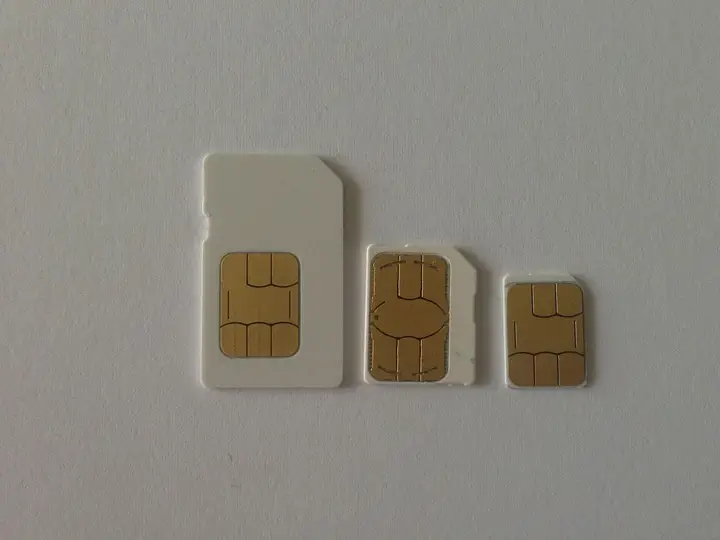
Connectivity and SIM cards in Djibouti: internet and mobile
Djibouti airport transfer: taxi, fares and arrival
Djibouti–Addis Ababa train: line, tickets and station
Embassies and consulates in Djibouti: how to proceed
Ferry to Tadjourah and Obock: crossing, times and fares
Health and vaccines in Djibouti: what to prepare

Every page is dated, sourced and kept up to date. We are affiliated with no operator: bookings happen on dalmar.app, never here.Read the editorial method
Frequently asked questions
How many days do you need in Djibouti?
Three days cover the essentials: one day inland to Lake Assal and the Goubbet al-Kharab, one day at sea around Moucha and Maskali, and one day towards Arta or the Grand Bara. Five days let you add Lake Abbé with a night under canvas. Seven days open up the Day forest, Bankoualé and Obock. Below three days, driving times make the trip feel rushed rather than restful.
When is the best time to visit Djibouti?
October to April. Coastal temperatures settle between roughly 25 and 30 degrees Celsius, and the interior basins become workable instead of punishing. The whale shark season peaks from November to January in the Gulf of Tadjoura, which is also when hotels and boats fill up fastest. From June to August the heat becomes genuinely difficult, especially inland.
Do you need a visa to enter Djibouti?
Most nationalities do, but it is usually issued online within minutes through the government's official e-Visa portal. Expect to pay around 23 US dollars for a short-stay tourist visa, typically valid for one month. You will need a passport valid for at least six months, a photo, a return ticket and an accommodation address. Always confirm the rule that applies to your own passport.
Is Djibouti a safe destination?
Yes across the usual tourist areas: Djibouti City, Arta, Tadjourah, Lake Assal and Lake Abbé. Street crime is low. The real risks are environmental rather than human: extreme heat, remote tracks, and no organised rescue away from the main roads. Avoid the border zones with Eritrea and Somalia, and travel with a local guide to distant sites.