
Where to eat in Djibouti: the five cuisine families
Eating in Djibouti falls into five families: Yemeni cuisine, the most established after local food; the cuisines of the Horn of Africa, Ethiopian and Somali; Indian and Middle Eastern, inherited from a long-settled community; fast food and street food, by far the most numerous; and the international cooking of the hotels. Most places are in Djibouti City, and Balbala concentrates the popular end.
| Region | Djibouti City |
|---|---|
| Updated on | 16 September 2026 |
How many families, and how do we know?
A survey carried out on 13 September 2026 across 80 food establishments (Djibouti City, Balbala, Arta, Tadjourah, Ali Sabieh, Dikhil) and across the 106 establishments mapped in OpenStreetMap gives a clear breakdown:
| Family | Share of the survey | What characterises it |
|---|---|---|
| Fast food, snacks, street food | the most numerous | sandwiches, skewers, pizza, burgers, juice |
| Restaurants with no declared speciality | large | everyday local cooking, rice and meat |
| Yemeni cuisine | the leading identified cuisine | rice and meat dishes, flatbreads, tea |
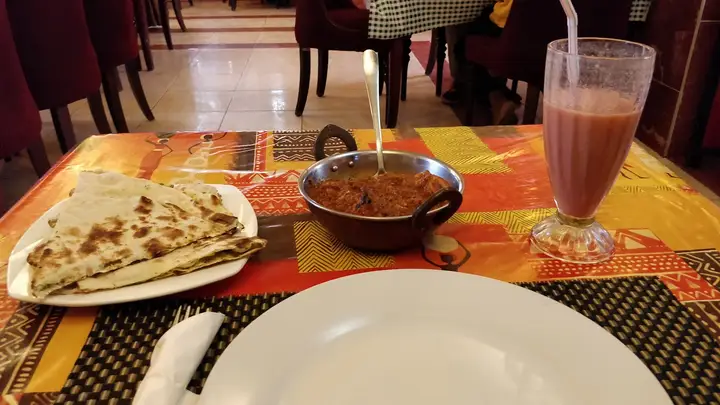
| Indian cuisine | second | curries, biryanis, breads |
| Ethiopian and Somali cuisines | present | fermented flatbreads, sautéed dishes, coffee |
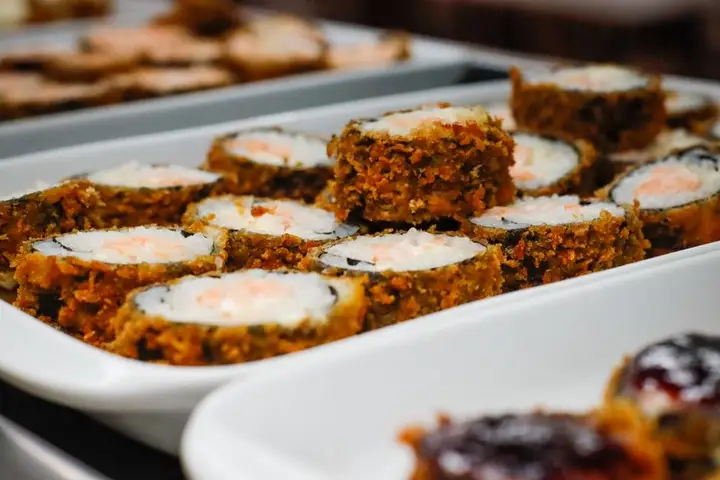
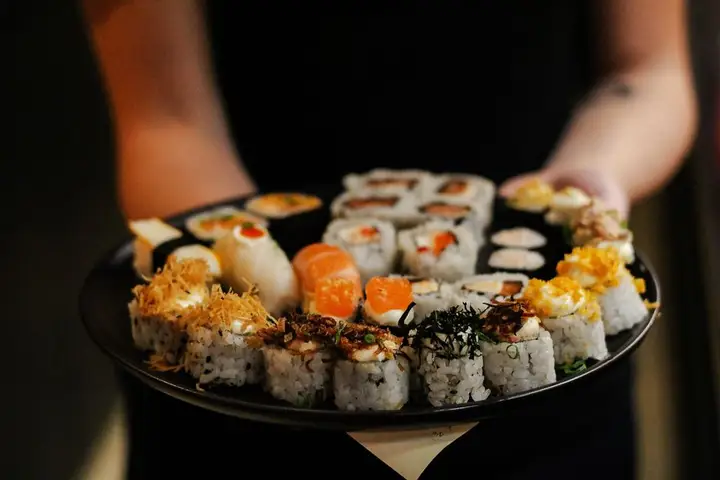
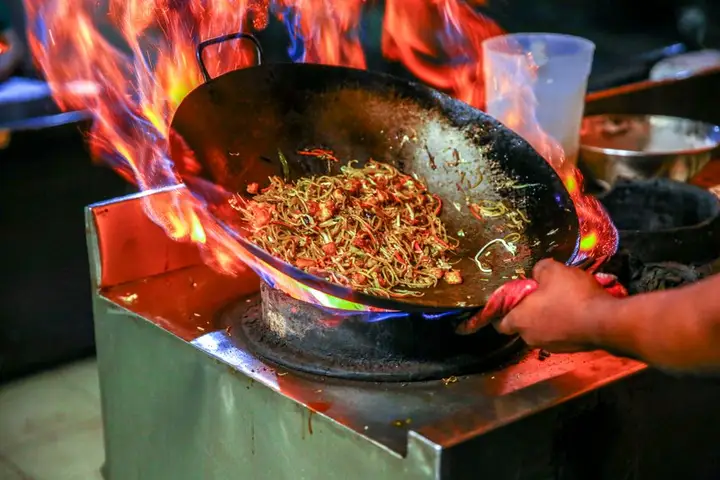
| International cuisine | a minority | French, Lebanese, Chinese, Japanese |
⚠️ This survey is not a directory. It served to establish a typology, not a list of addresses: the names and opening hours collected were not verified on the ground, and the site does not publish an address it has not checked. The pages below therefore describe cuisine families and their customs — which can be verified — and not establishments — which remains to be done.
The five families
Each family has its page, because each one is ordered, paid for and shared differently.
- Yemeni cuisine — the most established after local food, and the easiest to find in the centre.
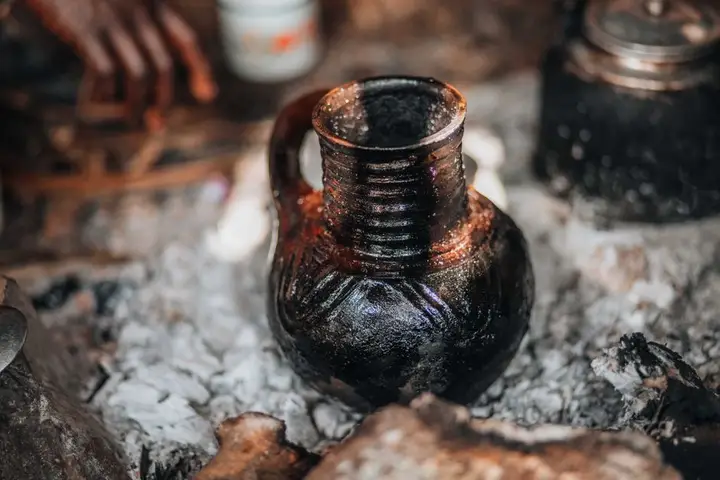
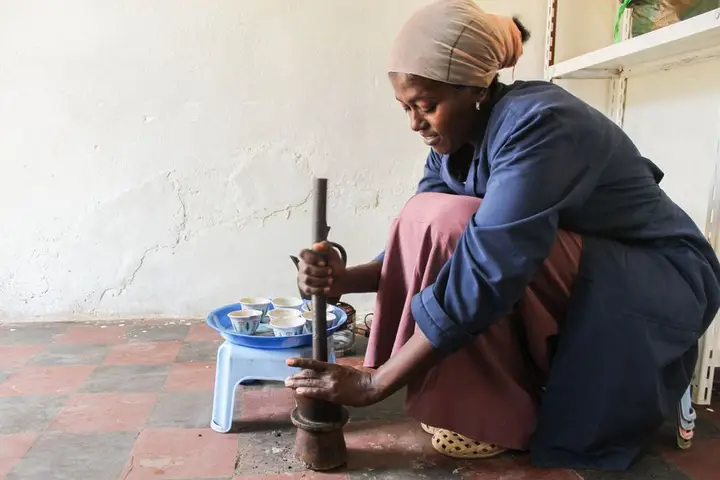
- The Horn of Africa — Ethiopian and Somali: fermented flatbreads, sautéed dishes, the coffee ceremony.
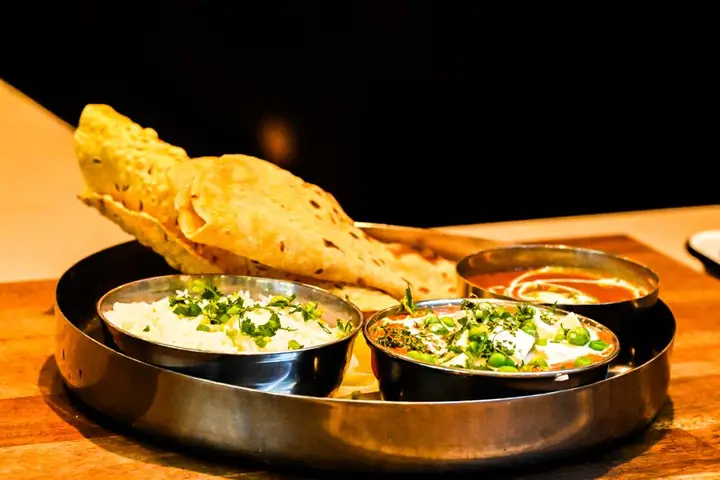
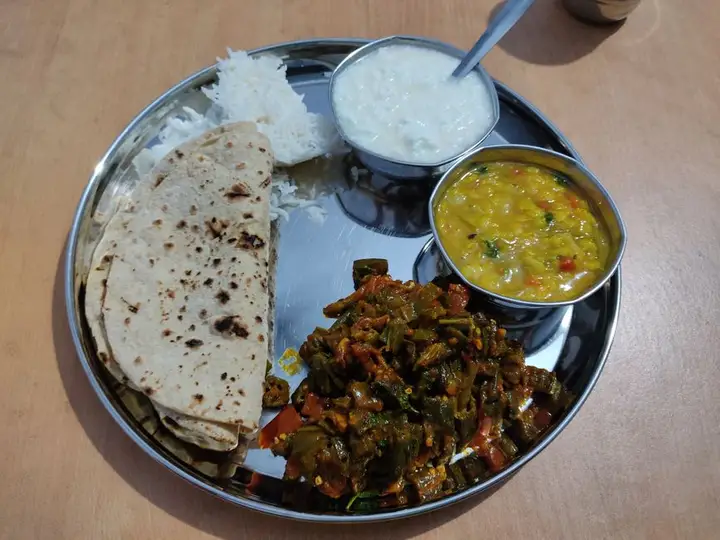
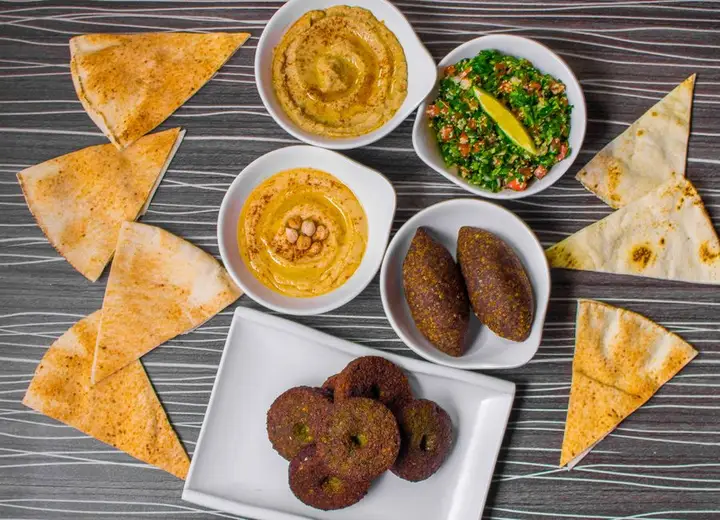
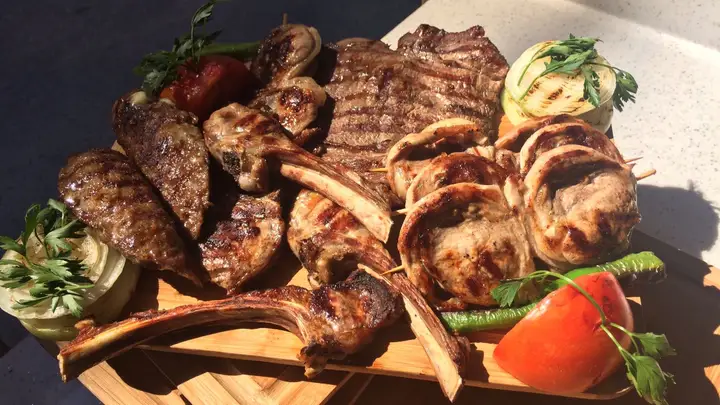
- Indian and Middle Eastern — the legacy of a long-settled community, and the most accommodating places for a vegetarian meal.
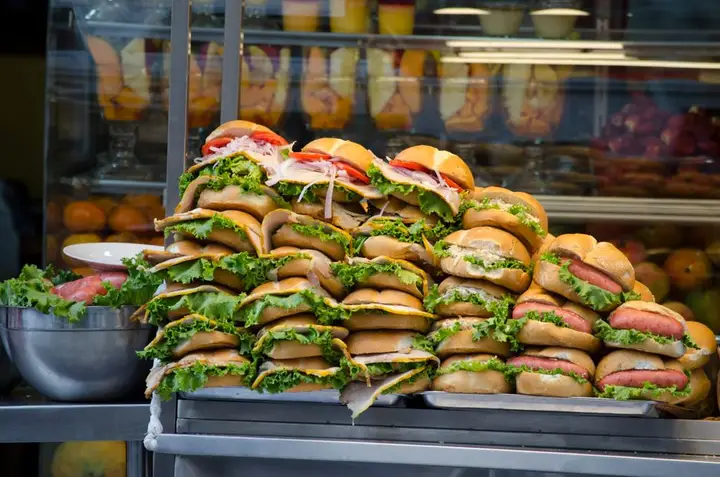
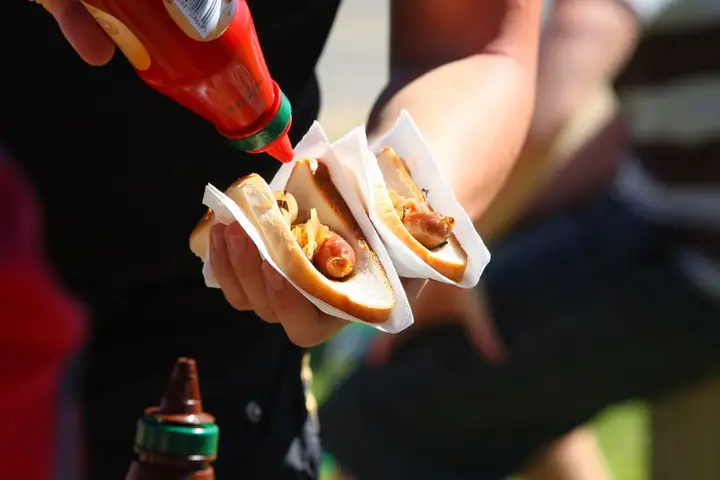
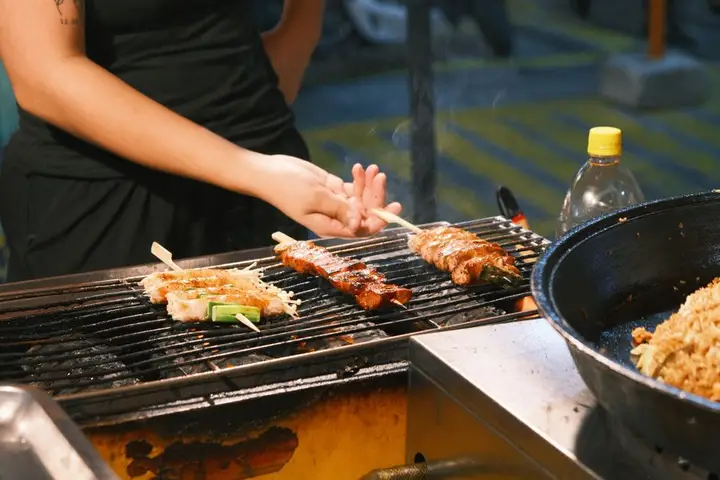
- Fast food and street food — the most numerous, the cheapest, the quickest: this is the city’s lunch.
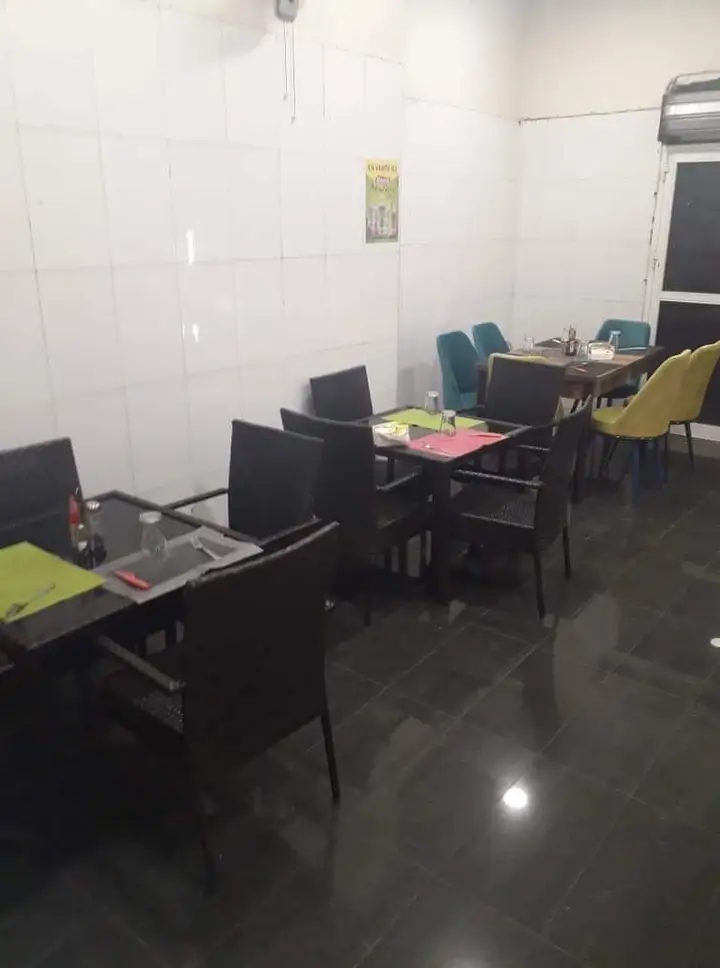
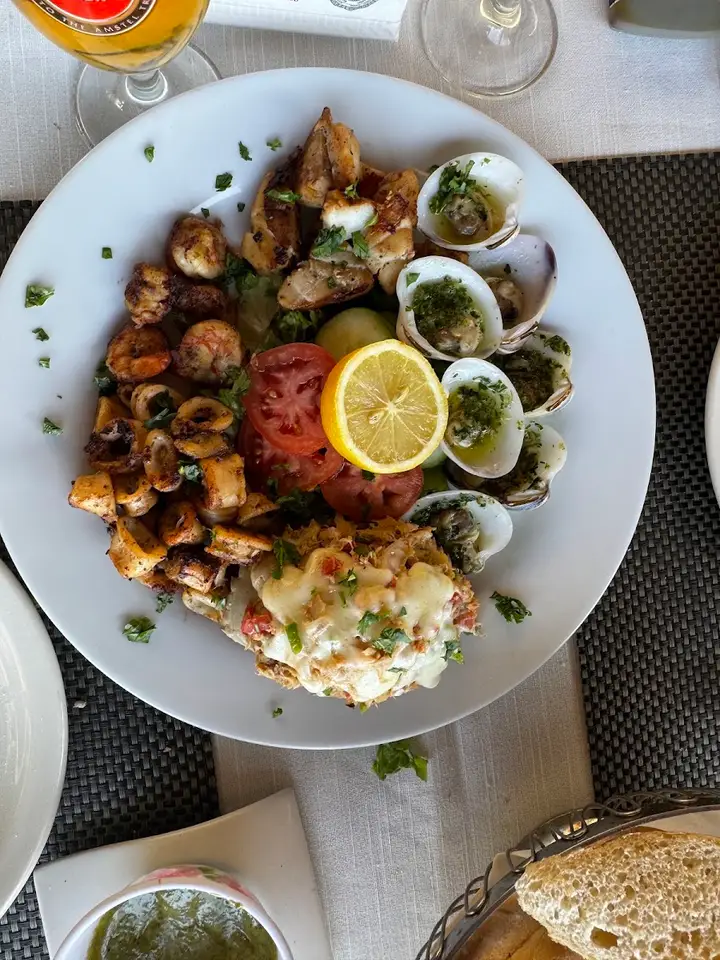
- Restaurants of the world — the international offer of the hotels and the seafront.
⚠️ The Yemeni addresses are not yet in the listing below. The five recorded will be published only once checked, like the others. That does not change its place as the country’s leading identified cuisine.
Where, precisely
| Area | What you find there |
|---|---|
| Djibouti City — centre (place du 27-Juin, Plateau du Serpent, Le Héron, Haramous) | the highest density, all families, from the snack to the hotel restaurant |
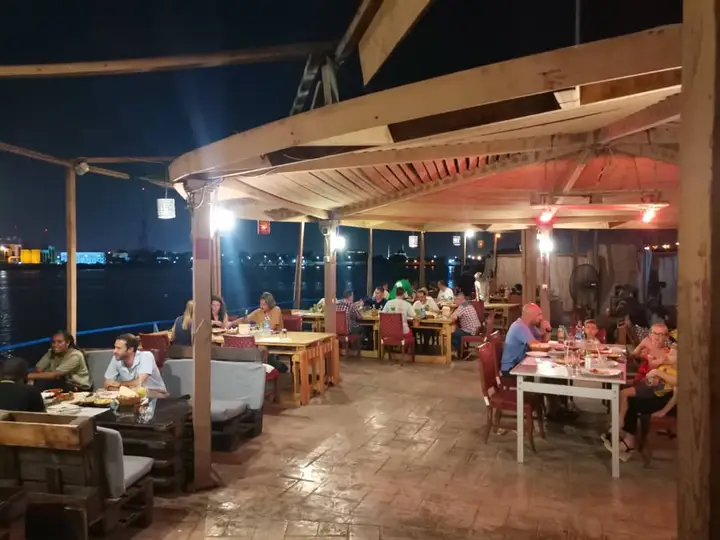
| Djibouti City — seafront | terraces, international cuisine, late service |
| Balbala | popular food, evening grills, the lowest prices |
| Arta | a few places around the market and the beach, mainly at weekends |
| Tadjourah, Obock, Ali Sabieh, Dikhil | one or two places per town, often at the hotel or near the market |
⚠️ Kitchens sometimes close between lunch and dinner, and Friday hours — the day of prayer — differ from the rest of the week. That is the main cause of a missed meal for an unprepared traveller.
What changes compared with Europe
- You pay in cash. Cards work in hotels and tourist restaurants, rarely elsewhere. The Djiboutian franc is the local currency; see currency and payments.
- Alcohol is scarce. It is found in hotel establishments and a few seafront addresses, not in neighbourhood food.
- Service is fast, the meal is long. You order and are served quickly; after that, the table stays occupied.
- Portions are generous, and one dish is often enough for two people with a small appetite.
→ For what people eat — the dishes, their names, the central market, what people drink — see Djiboutian cuisine.
Where to eat
4 listed places
Horn of Africa cuisines
Fatuman Musa Restaurant
La Fontaine
Le Bafena
Le Kokeb الكوكب

6 listed places
Indian and Middle Eastern
Kurry - Saveur de l'Inde كاري - نكهة الهند
Le Longchamp لو لونقشامب
Le Lounge لو لونج
Le Santal خشب الصندل
Mr Grill
Restaurant indien Singh
3 listed places
Fast food and street food
Burger King
Kiosque Lac-Abbé كشك بحيرة آبي
Point Burger برغر نقطة
17 listed places
International restaurants
Allo Pizza
Beijing Restaurant
Cultures'ine Japanese Food
Javi House
L'Archot
L'Ile aux Pizzas ليل أو بيتزا
La Chaumière الشومير
La Pergola
Le Golfe الخليج
Le Pizzaiollo Central
Melting Pot وعاء الانصهار
Moon Light مون لايت
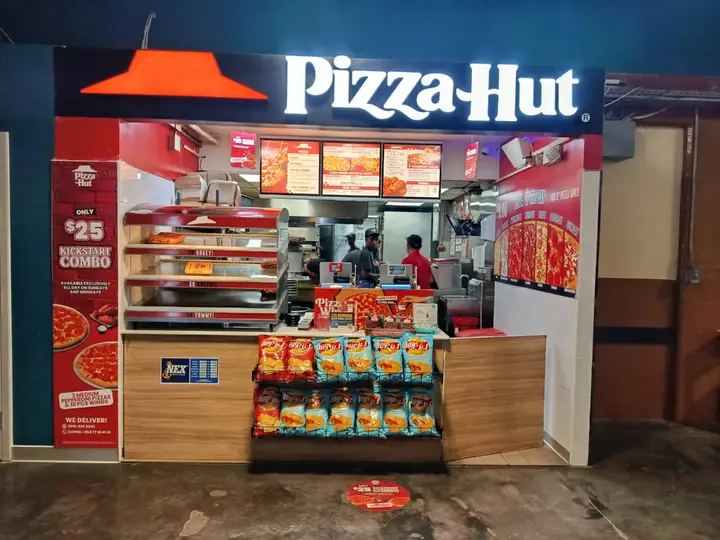
Pizza Hut
Pizzaiolo Haramous - بيزيولو حراموس
Restaurant Viêt Nam مطعم فيتنام
Snack Time
Urban Kitchen
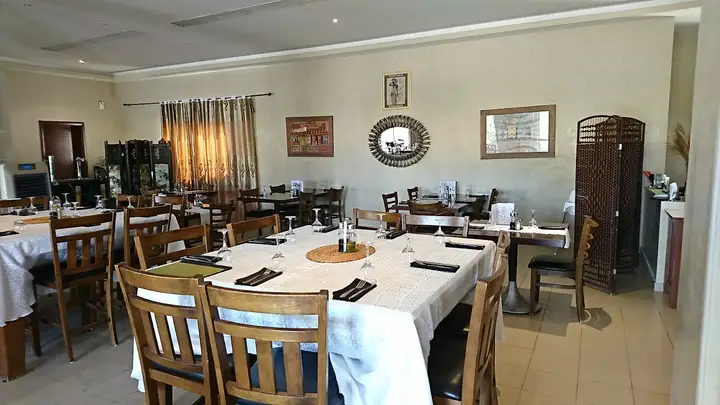
19 listed places
Cafés and tea houses
Ayla Café أيلا كافيه
Bunna House بيت بونا
Café de Paris
Café des Beaux Arts مقهى الفنون الجميلة
Café Gourmand مقهى غورماند
Café Green Bean مقهى الفاصوليا الخضراء
Café Net كافي نت
Café Star
Central Café
cybercafé
Kiosque Nagad كشك نقاذ
La Petite Métisse
Le Beverly البيفرلي
Le Figaro Café مقهى فيغارو
Le Fournil
Pause Café
Play House Café
Purple drank cofe shop مقهى شرب بنفسجي
The Spot Coffee
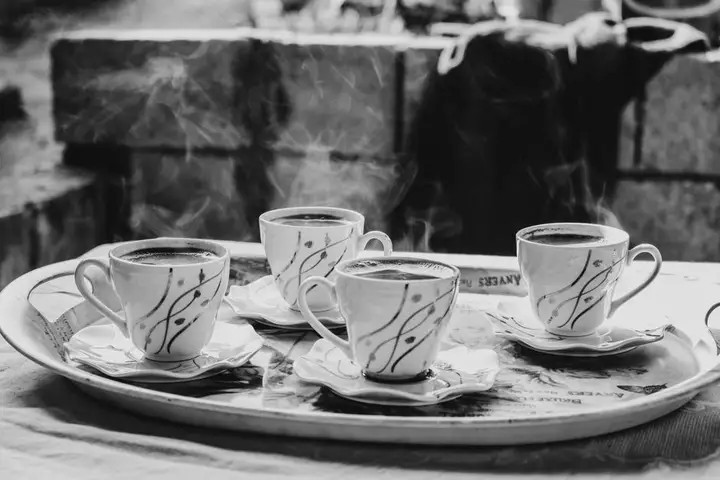
38 listed places
No cuisine declared
Al Basha
Al Tazaj
Al-Baraka البركة
Al-Hayat
Bait al Mandi بيت المندي
Cafétéria Bienvenue مطعم مرحبا بكم
Cafétéria Palm مقهى بالم
Chez Marco في مكان ماركو
Chez Momo
Hamdani
Havana هافانا
Hôtel-Restaurant Corto Maltese كورتو المالطية
Janateyn
Jules Verne
Kuriftu Bar & Restaurant كوريفتو مطعم وبار
La Brise de Mer
La Mer Rouge
La Table de Julien جدول جوليان
Le Coin des Sandwichs
Le Maharaja المهراجا
Les Sables Blancs الرمال البيضاء
Makha Petit Paris ماخا بيتت باريس
Moukbasa National رستوران بین المللی مومباسا
Nil Bleu النيل الأزرق
Number One
Planet Hollywood بلانيت هوليوود
Porto Arwad بورتو أرواد
Restaurant Habecha
Restaurant Lounge L'Historil
Restaurant Loyada مطعم لويعدا
Restaurant Medi Habesh
Restaurant Mont Liban مطعم جبل لبنان
Restaurant Ougoul مطعم أوغول
Royal Plaza
Salle de restaurant
Sana'a
Étoile d'Or النجم الذهبي
مطعم باشا يمني
Frequently asked questions
Which cuisines do you actually find in Djibouti?
Five families emerge from a survey carried out in September 2026 across 80 establishments: fast food comes first, then restaurants with no declared speciality, then Yemeni cuisine, Indian cuisine, Ethiopian and Somali cooking, and finally the international offer — French, Lebanese, Chinese, Japanese. The survey also lists a few hotels with a restaurant open to non-residents.
Which districts are the restaurants concentrated in?
Djibouti City holds most of the offer, particularly around place du 27-Juin, the Plateau du Serpent, Le Héron and Haramous. Balbala, on the other side of the wadi, concentrates popular food and evening grills. Outside the capital, Tadjourah, Arta and Ali Sabieh each have a few places, mainly around their market and seafront.
At what time of day do people eat in Djibouti?
Breakfast is taken early, often a flatbread and tea. Lunch is the most marked meal, between noon and two, and kitchens sometimes close between lunch and dinner. Dinner starts late, from eight in the evening, and runs on: the grills and the seafront terraces stay busy late at weekends.
Can you eat vegetarian or pork-free in Djibouti?
Pork-free, without difficulty: local cooking is mostly poultry, goat, mutton, camel and fish. Vegetarian needs more care: meat dishes are the norm, and you have to ask for vegetables, rice, lentils or flatbreads. Indian restaurants are generally the most accommodating, with vegetable and pulse dishes on the menu.