
Experiences in Djibouti: diving and whale sharks
Two water experiences shape a stay in Djibouti. Diving is practised all year on the nine identified sites of the Gulf of Tadjoura, from the Goubet pass to the north of Tadjourah, with useful depths from five to fifty metres. Whale shark watching, on the other hand, is seasonal: from late October to late February, with fins, mask and snorkel, and no diving qualification required. Both are booked from Djibouti City.
| Updated on | 16 September 2026 |
|---|
Which experiences does this hub cover?
Djibouti is one of the few places in the world where you can swim with the largest fish in the world and dive on intact coral reefs in the same stay, thirty minutes by boat from one another. The Gulf of Tadjoura provides the setting for both: it holds the country’s dive sites and the whale sharks’ migration route.
Two experiences are documented here, because they are the only two for which we have a complete survey — sites, depths, levels required, season and rates. They do not compete: they combine, and that is in fact the best way to make a three- to five-day stay worthwhile.
| Experience | Where | Duration | Season | Level required |
|---|---|---|---|---|
| Diving in Djibouti | Gulf of Tadjoura, Goubet pass, north of Tadjourah | 1 day, 2 dives | All year | From try-dive to advanced level |
| Swimming with whale sharks | Arta Plage and Ras Korali | Half a day to a full day | Late October – late February | None, watching from the surface |
How do you choose between diving and whale sharks?
The answer depends first on the calendar.
If you are travelling between November and January, the question does not arise: do both. It is the peak of whale shark season, the sea is warm and visibility good. The surface trip fits in the morning, the dive in the afternoon or the next day.
If you are travelling between May and September, the whale sharks are gone. Diving remains possible all year, with one caveat: the swell in the gulf can cancel boat trips. Postpone the trip rather than cancelling it, the sea calms quickly.
If you have never dived, start with a try-dive. The shallow sites of the gulf suit it, and you will know within a morning whether the urge to get certified has taken hold.
Diving in Djibouti: what you should know
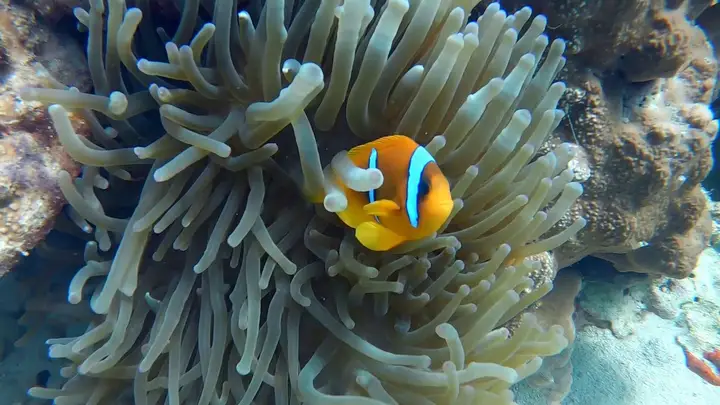
The page diving in Djibouti lists nine identified sites departing from Djibouti City, spread between the Gulf of Tadjoura, the Goubet pass and the north of Tadjourah. Useful depths run from five to fifty metres, which means you can take a beginner or an experienced diver there.
Two things set these sites apart. First, proximity: the reefs of the gulf are reached by boat in little time, which allows two dives in a day without spending hours in transit. Second, the variety of settings — drop-offs, coral gardens, wrecks and channels — within a relatively small marine area.
Allow around 10,000 to 12,000 Djiboutian francs for a supervised dive, equipment and boat included. The most comfortable season runs from October to April.
Swimming with whale sharks: what you should know
The whale shark visits the Gulf of Tadjoura from late October to late February, with a peak season from November to January. Trips leave from Arta Plage and Ras Korali, about thirty kilometres from Djibouti City.
No diving qualification is required: the watching happens at the surface, with fins, mask and snorkel. It is a supervised encounter, with a licensed guide, and approach etiquette matters as much as luck: do not cut across the animal’s path, do not touch it, do not trap it between two boats. The page swimming with whale sharks details those rules.
Allow around 25,000 Djiboutian francs per person for a day trip, boat, guide, mask and snorkel included.
Can you combine the two in one stay?
Yes, and it is the most effective formula between November and January. The two-day programme already shows how to link a land day towards the rift with a day at sea. A third day added to that programme is enough for diving.
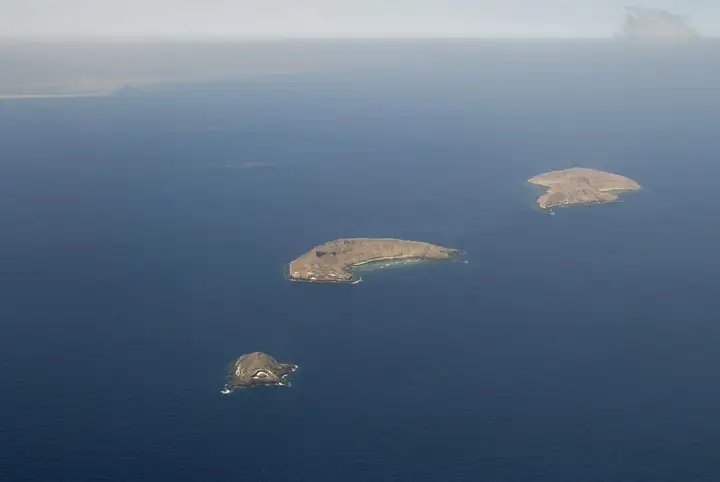
Out of season, the combination changes nature: diving becomes the main activity, and the boat trip is justified by the reefs, swimming and the mangrove rather than by the encounter with the animal. The day at the Moucha and Maskali islands fills that role perfectly.
How do you book these experiences?
Two routes exist. Organised day trips, bookable in advance, include transport, boat, guide and equipment: it is the simplest solution if you are only staying a few days or travelling alone. They can be compared on the activities catalogue.
The other route is through a dive centre based in Djibouti City, which arranges trips according to the weather and the participants’ level. That is more flexible for certified divers who want to link several sites.
In both cases, book early between November and January: whale shark season coincides with the European holidays and the boats are full several weeks in advance.
What precautions should you take at sea?
Three rules apply to every trip. Carry water and sun protection, including for diving: the gulf sun is brutal between two immersions. Touch neither the coral nor the animals, and keep a respectful distance from whale sharks. Finally, check the guide’s qualification and the boat’s insurance before boarding — the page visa and formalities also lists the documents to prepare before departure.
To settle on the period, cross these season windows with the month-by-month table in when to go to Djibouti and the reference points in weather and climate. The detail of the land sites is in the overview what to see in Djibouti and in the destinations.
Experiences
Filter by region
Compare the water activities bookable in DjiboutiSecure booking, verified provider.
Frequently asked questions
Do you need to be a certified diver to see whale sharks?
No, and that is what makes the experience accessible: the watching happens at the surface, with fins, mask and snorkel, with no tank or qualification required. Trips leave from Arta Plage and Ras Korali, about thirty kilometres from Djibouti City, supervised by a licensed guide. Certified divers can combine the encounter with a dive on the nearby reefs the same day.
What is the best season for diving in Djibouti?
Diving is possible all year, but the most comfortable period runs from October to April: the sea stays warm and visibility is better. It is also the whale shark window, from late October to late February, with a peak in visitor numbers from November to January. From June to August, the swell in the gulf can lead to boat trips being cancelled.
How much does a dive or a whale shark trip cost in Djibouti?
A supervised dive costs around 10,000 to 12,000 Djiboutian francs, equipment and boat included. A day trip to watch whale sharks, with boat, licensed guide, mask and snorkel, costs around 25,000 Djiboutian francs per person. Both rates assume departure from Djibouti City and generally do not include lunch.
Can you dive and see whale sharks on the same day?
Yes, provided you leave early. Whale shark trips leave Arta Plage or Ras Korali in the morning, when the animals come up to the surface, and the reefs of the Gulf of Tadjoura are immediately nearby. Some packages combine both in the same trip. Just check that your certification level matches the planned sites, since the Goubet pass is reserved for experienced divers.