
Itineraries in Djibouti: how to calibrate your stay
An itinerary in Djibouti is calibrated on three lengths. Two days cover the rift and the sea: Lake Assal on the land side, a boat trip on the gulf side. Three to four days add Tadjourah and Les Sables Blancs, or Grand Bara. Five to seven days open up Lake Abbe with a bivouac, and the north towards Obock. Below two days, travel times make the stay frustrating. A detailed two-day programme is already published.
| Updated on | 16 September 2026 |
|---|
How do you calibrate an itinerary in Djibouti?
The difficulty of an itinerary in Djibouti is not distance, it is time. The country is small — 23,200 km² — and two sites you think of as opposite are often an hour and a half apart by road. But every day starts early, ends late, and the heat sets the pace.
That is why this hub arranges itineraries by length of stay rather than by region. Three lengths correspond to three distinct experiences, and adding a day does not have the same effect depending on where you insert it.
| Length | What it covers | Pace | Page |
|---|---|---|---|
| 2 days | Rift and salt on the first day, sea on the second | Brisk, a single night | Djibouti in 2 days |
| 3 days | Adds Tadjourah and Les Sables Blancs, or Grand Bara | Comfortable | Djibouti in 3 days |
| 5 days | Lake Abbe as a bivouac, assembled item by item | Relaxed, two nights away from the capital | Djibouti in 5 days |
| 7 days | The longest length our research targets | Relaxed | Djibouti in 7 days |
Thirteen itinerary pages are published, listed below by length and by theme. This hub will keep being completed: every programme added will appear in the table above.
What does a two-day itinerary cover?
The Djibouti in 2 days programme is the base of any short stay, and it rests on a simple idea: separate the land and the sea.
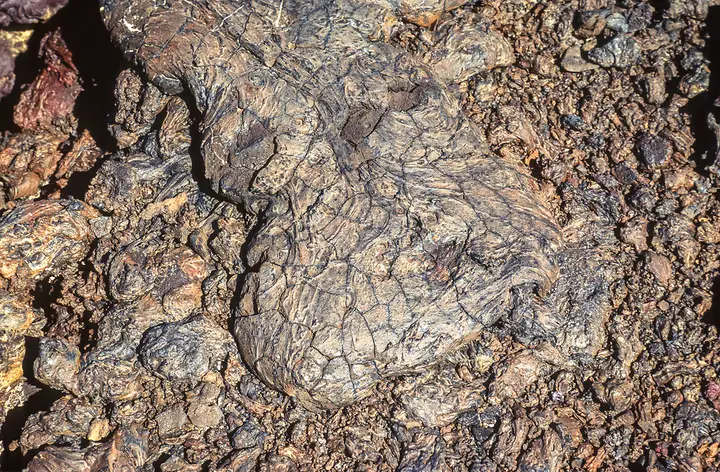
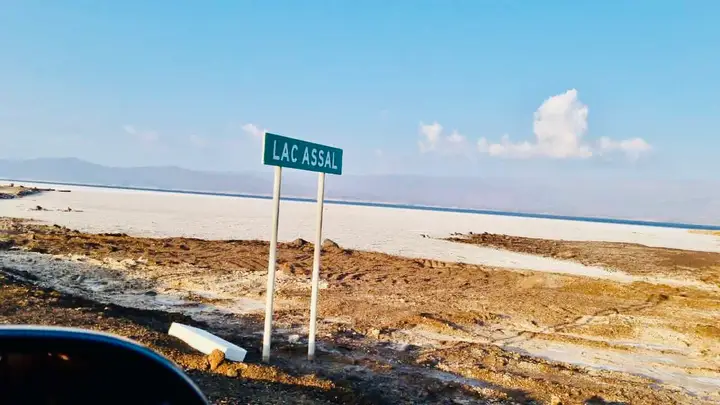
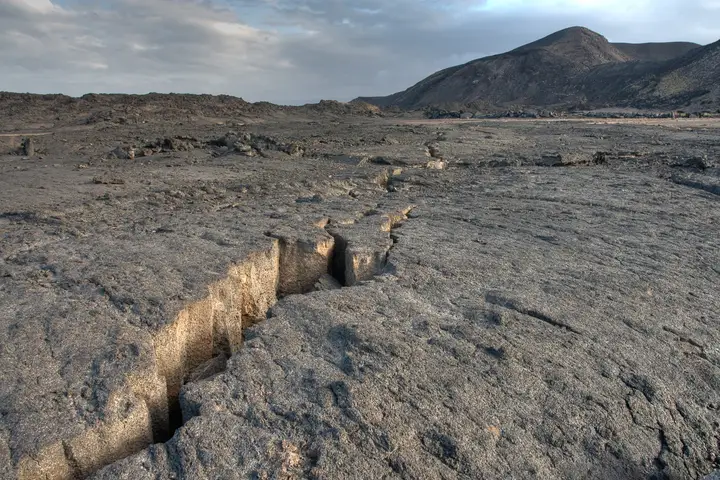
First day: the rift. Arta in the morning, then Lake Assal and its basin 155 metres below sea level, with Goubbet al-Kharab and the Ardoukoba volcano on the way back. The day is done by 4×4, on road and then on track.
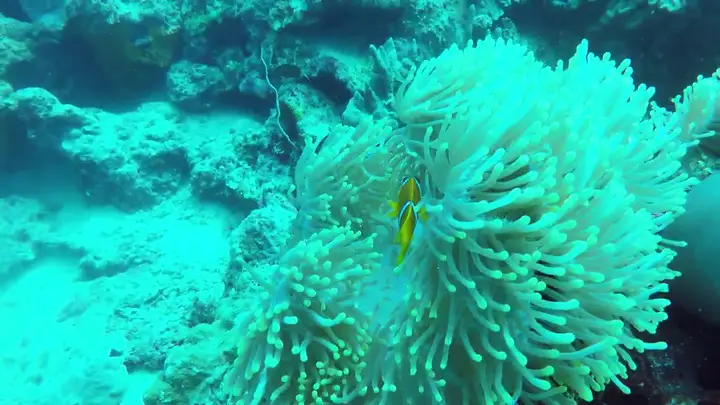
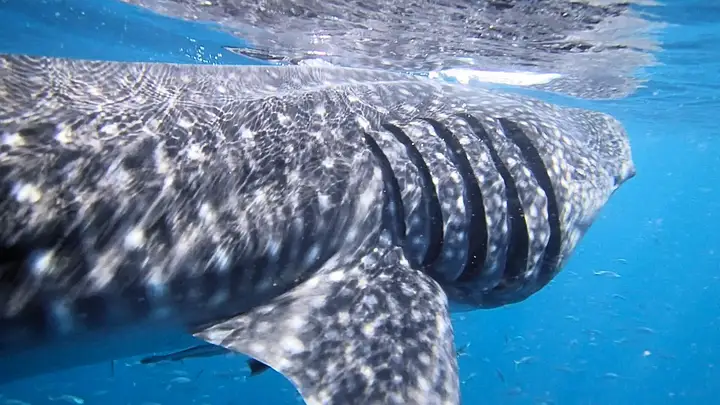
Second day: the sea. A boat trip in the Gulf of Tadjoura, towards the reefs, the Moucha and Maskali islands or the whale sharks if you are travelling between November and January.
That split works because it avoids round trips: you sleep a single night, and the two days follow on without going back through the capital in between.
What can you add with three or four days?
A third day changes a great deal, because it allows you to sleep outside Djibouti City without sacrificing the rest.
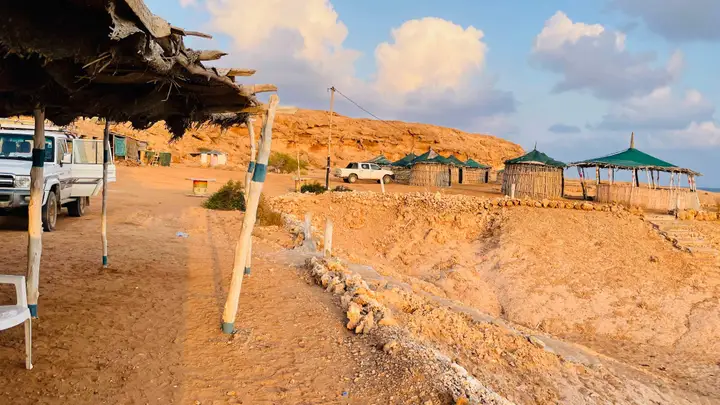
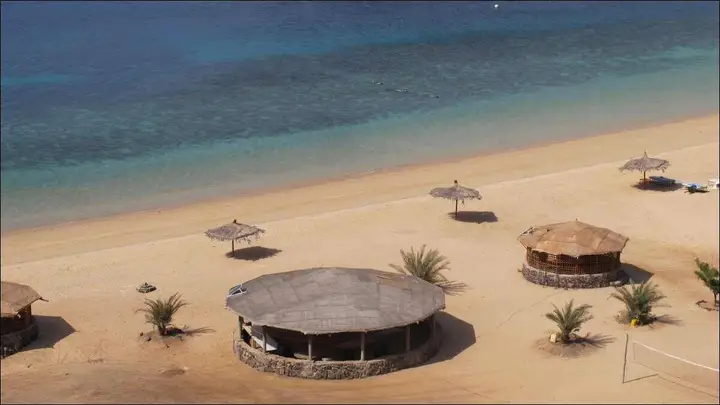
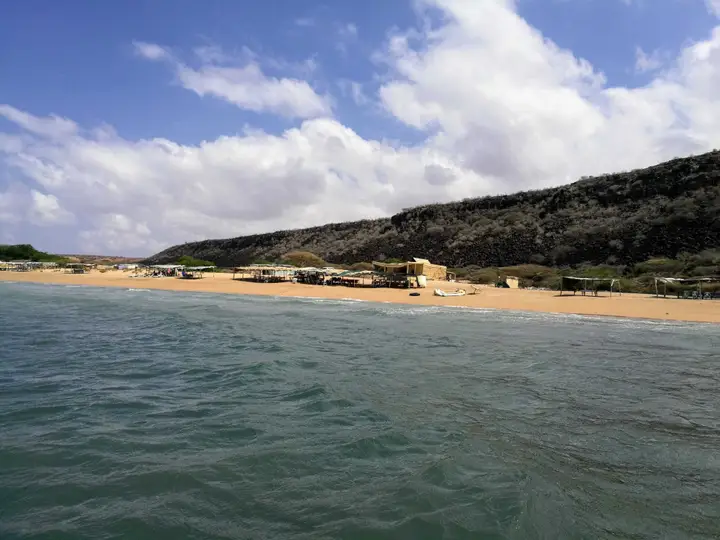
North coast option. A night at Tadjourah and a day at Les Sables Blancs, below the black rock cliff. You get there by ferry or by road, and the crossing of the gulf is already part of the journey.
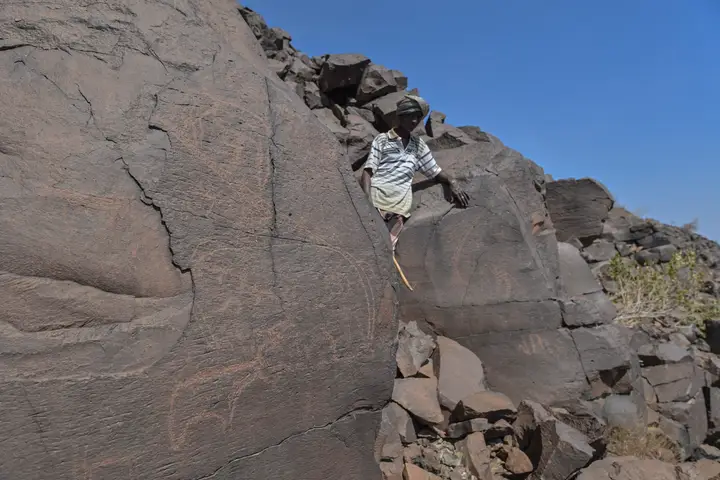
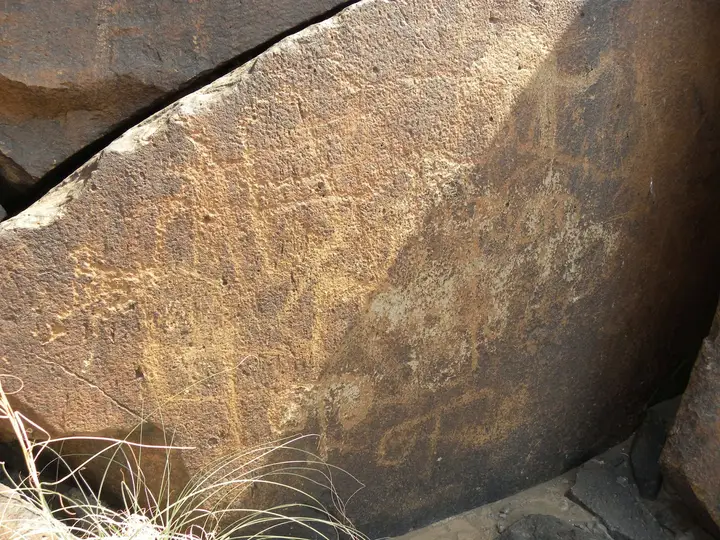
Southern option. A day at Grand Bara for its rock engravings dated from 3000 to 2000 BCE, and a stop at the Dhaydhan camp, near Ali-Sabieh.
Active option. A dive on the gulf sites, to be slotted between the two land days rather than at the end of the stay.
What becomes of a five- to seven-day itinerary?
This is the length from which the country really lets itself be crossed, and two sites change the nature of the trip.
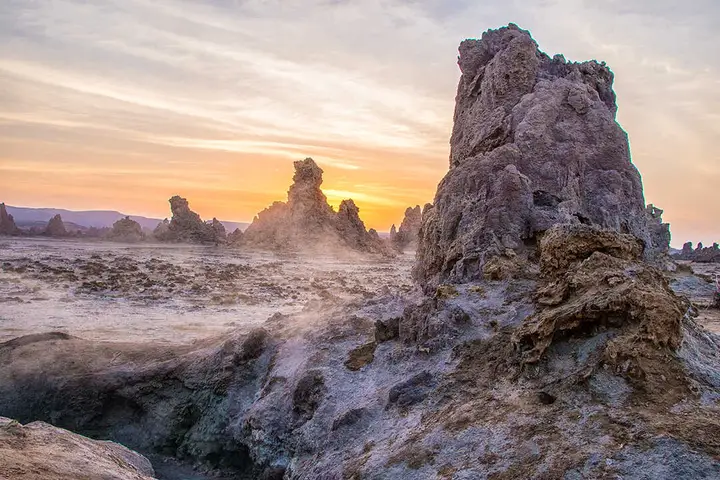
Lake Abbe first, in the Dikhil region, straddling the Ethiopian border. It requires a 4×4, a long track and a bivouac on site among the limestone chimneys thirty to fifty metres high. It is the most spectacular site in the country and also the most demanding.
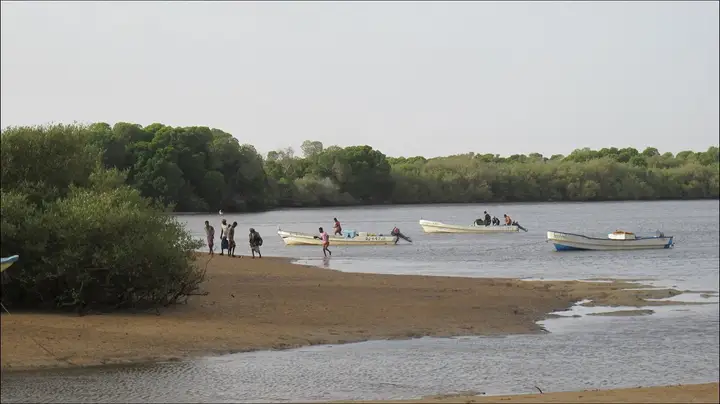
Obock next, in the north-east, with the Ras Bir lighthouse, the Godoria mangrove and the Seven Brothers archipelago for divers. The journey is by road or by boat.
Between the two, the Forêt du Day and the Dittilou cirque are discovered on foot, with a night in a mountain camp.
Which travel times should you factor in?
This is the point most programmes underestimate. Three reference points are enough to build a realistic itinerary.
From Djibouti City, allow an hour and a half of paved road to Lake Assal, under an hour to Arta, and about thirty kilometres to Arta Plage and Ras Korali. Those journeys are done within the day, with no night on site.
Towards the north coast, the road goes further: about 180 kilometres to Tadjourah and 240 to Obock. The ferry to Tadjourah and Obock brings the crossing down to an hour and a half, or forty-five minutes by fast boat.
For the southern sites — Lake Abbe, Grand Bara — track dominates, and a 4×4 with driver becomes necessary. Allow around 44,000 Djiboutian francs per day per vehicle, which becomes worthwhile from four people.
How do you adapt the itinerary to the season?
From October to April, every programme in this hub is workable, including those crossing the inland basins. It is the right window for Lake Assal, Lake Abbe and the Forêt du Day walks.
From June to August, the logic reverses: land days become gruelling and the inland sites climb very high in temperature. Build the itinerary around the sea then — diving, islands, north coast — and keep very early departures for the rest.
The month-by-month detail is in when to go to Djibouti, and the differences between coast and highlands in weather and climate.
Which are the thirteen itinerary pages?
By length
| Length | What the page offers | Page |
|---|---|---|
| 1 day | Eight day-trip options, from Lake Assal to the beaches | Djibouti in 1 day |
| 2 days | The rift and the sea, already online | Djibouti in 2 days |
| 3 days | Eight catalogue tours, from 24,030 to 85,000 Fdj | Djibouti in 3 days |
| 5 days | No package exists: the item-by-item assembly | Djibouti in 5 days |
| 7 days | The longest length our research targets | Djibouti in 7 days |
| 10 days | Combined from the shorter itineraries | Djibouti in 10 days |
| 2 weeks | Combined, with what a long stay really adds | Djibouti in 2 weeks |
| A weekend | From Djibouti City, with no flight and no visa | Weekend from Djibouti City |
By theme
| Theme | Page |
|---|---|
| Diving | Diving itinerary |
| Desert and lakes | Desert and lakes itinerary |
| Culture and heritage | Culture and heritage itinerary |
| Family | Family itinerary |
| Budget | Backpacker, mid-range or luxury |
And beyond
| Destination | Page |
|---|---|
| Ethiopia, by train | Djibouti–Ethiopia |
Two method notes. The family itinerary is published as a suggested organisation and not in response to a documented demand: none of our keyword research found any query about travelling with children. The 10-day and 2-week itineraries also go beyond what our research covers: they combine shorter itineraries instead of inventing a day-by-day programme.
Where to go next?
To choose the sites that will make up your programme, start from the overview what to see in Djibouti and then the destination pages. For water activities, see the experiences. Finally, the practical pages cover the visa, transport, the season and accommodation.
Itineraries
Budget in Djibouti: backpacker, mid-range, luxury
Culture and heritage: rock art and old cities in four days
Desert and lakes: salt, rift and Lake Abbe in four days
Diving in Djibouti: the three-day itinerary
Djibouti and Ethiopia: combining the two countries
Djibouti in 1 day: the rift or the beach?
Djibouti in 10 days: the assembly of three itineraries
Djibouti in 2 days: the rift, the salt and the sea
Djibouti in 2 weeks: what the second week adds
Djibouti in 3 days: eight tours compared
Djibouti in 5 days: an assembly, not a package
Djibouti in 7 days: the rift, the desert and the north coast
Djibouti with children: a proposal for two days
Weekend from Djibouti City: two days, four formulas
Compare the organised trips in DjiboutiSecure booking, verified provider.
Frequently asked questions
How many days should you allow for an itinerary in Djibouti?
Two days is the useful minimum: one day on land towards Lake Assal and Goubbet al-Kharab, one day at sea in the Gulf of Tadjoura. Three to four days allow you to add Tadjourah, Les Sables Blancs or Grand Bara. Five to seven days open up Lake Abbe with a night on site, the Forêt du Day and Obock. Beyond that, the stay becomes comfortable rather than rushed.
Can you visit Djibouti without a rental car?
Yes, provided you go through organised excursions. Almost every itinerary starts from Djibouti City, where the airport is, and operators there take care of transport, the guide and sometimes meals. For the inland sites — Lake Assal, Lake Abbe, Grand Bara — a 4×4 with a driver is necessary anyway, and booking it at the same time as the excursion simplifies everything.
What budget should you allow for a two-day tour in Djibouti?
Published organised tours range from around 15,130 Djiboutian francs per person for a city and Lake Assal package in its economy version, up to 55,000 francs for the variant that adds Lake Abbe. The classic city and Lake Assal package sits at around 35,000 francs. A night in a beach camp costs 10,000 to 17,000 francs per adult, dinner and breakfast included depending on the package.
What is the best period to follow an itinerary in Djibouti?
From October to April, without hesitation: temperatures come down, the inland sites become workable again and the sea is calmer for boat trips. November to January is the whale shark window, which fills the capital and the boats. From June to August, a land itinerary becomes gruelling: favour days at sea and very early departures instead.