Assamo camp: sleeping in the land of the beira
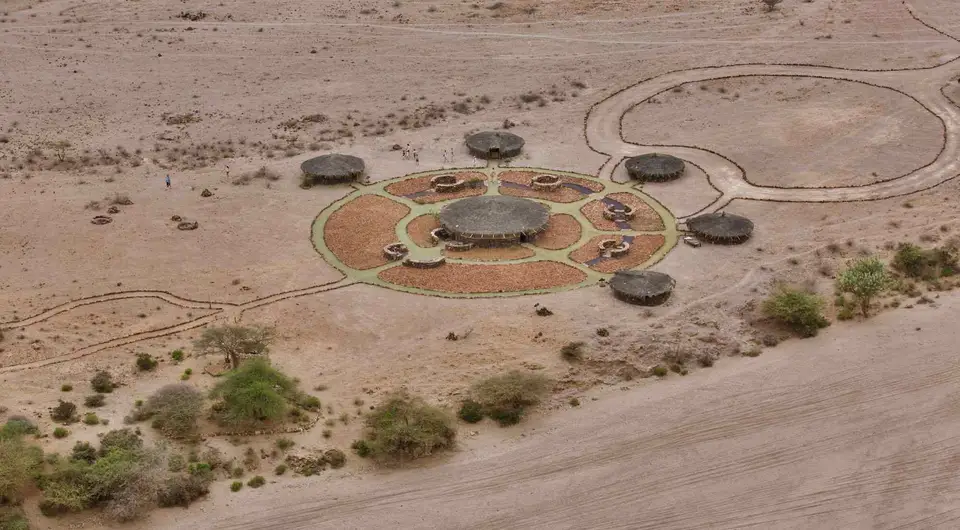
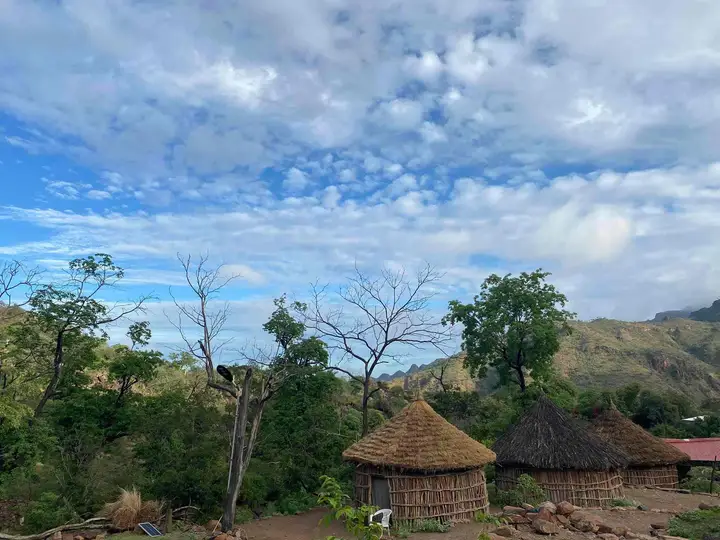
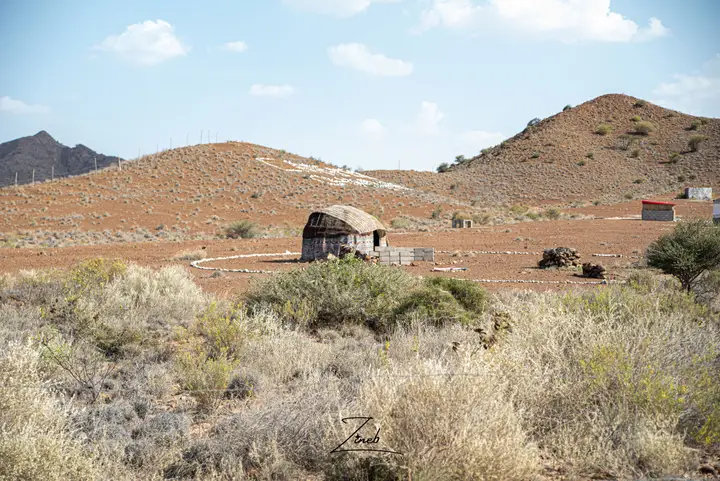
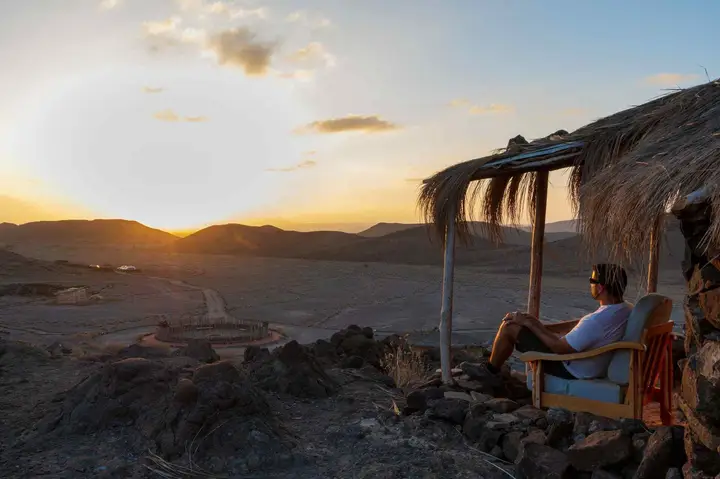
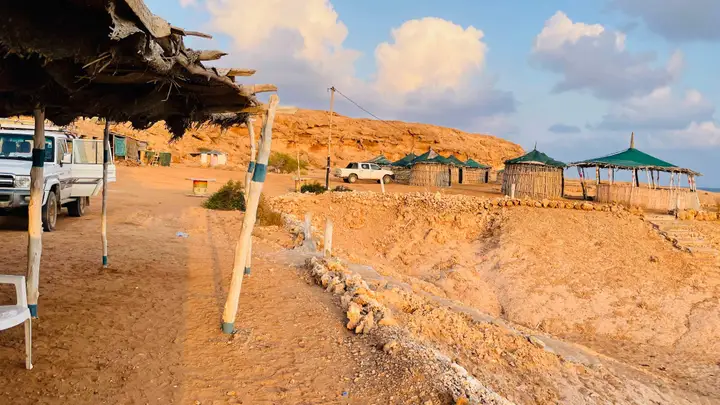
Assamo is a non-profit ecotourism camp in the Ali-Sabieh region, at Addaoua-Bouralé, on the edge of the protected area that shelters the beira antelope. It has five rooms, three showers and six barbecue hearths, for twenty-eight people, with solar lighting. Built by volunteers of the Décan association and inaugurated in 2016, it gives its revenue to protecting the site. No rate is published.
What is the Assamo camp?
Assamo is a non-profit ecotourism camp in the Ali-Sabieh region, in south-east Djibouti. It was built by volunteers of the Décan association, hiring only local labour, and inaugurated by the Environment Minister on 10 January 2016, according to the catalogue.
Its location is part of the project: the camp stands on the edge of the Assamo protected natural area, which shelters the beira antelope. It does not merely sell a night, it serves as a support base for protecting the site — and the objective stated at its construction was to fund the wardens’ salaries.
| Marker | Data |
|---|---|
| Region | Ali-Sabieh |
| Place | Addaoua-Bouralé |
| Management | Décan association, non-profit |
| Inauguration | 10 January 2016 |
| Capacity | 28 people |
| Rooms | 5 |
| Showers | 3 |
| Barbecue hearths | 6 |
| Lighting | solar |
| Distance | about 30 minutes from the village |
| Coordinates | 11.0225 N · 42.8814 E |
| Published phone number | none |
| Rate | not published; set by the operator |
Where is the camp, and how do you reach it?
The camp occupies the place called Addaoua-Bouralé, about thirty minutes from the village of Assamo and far from any road. Those are the two access facts the catalogue publishes, and they are enough to understand the kind of stay involved.
In practice, that assumes a suitable vehicle, a guide and prepared logistics. We publish neither journey time from Djibouti City nor distance: no source consulted documents them for this camp, and they depend on the vehicle and the state of the tracks. The page Assamo details the context of the protected area, and the page Ali-Sabieh covers the rest of the region, from the Grand Bara to the Holl Holl viaduct.
The name of the place deserves a word: in Afar, Assamo means “red hair”, referring to the colour of the mountains of the area. The usually basaltic countryside here gives way to ancient rocks, limestones, sandstones and volcanic rhyolites, crossed by white-sand wadis.
Why is the camp linked to the beira antelope?
Because the protected area it borders exists for it. The beira (Dorcatragus megalotis) is a small antelope endemic to the Horn of Africa, with large leaf-shaped ears, of which only the males carry horns. It lives in arid, rocky relief, where it blends into the terrain.
The catalogue recalls the founding episode of the site: the species, thought extinct, was rediscovered there in 1993 by Alain Laurent and Nicolas Prevot. It is that rediscovery which gave the protection of the area its present momentum. The camp follows the same logic: welcoming visitors in order to fund the surveillance of a habitat under pressure.
One useful clarification before setting off: the beira does not put on a show. The species is discreet, small, and knowledge of its population has advanced through camera traps as much as through direct observations. An early-morning outing, with a guide, improves your chances without guaranteeing them.
What comfort does the Assamo camp offer?
The catalogue is more precise here than for most camps in the country: five rooms, three showers, six barbecue hearths, a capacity of twenty-eight people and solar lighting. The bivouac area, the water points and the kitchen are organised around these shared facilities.
It says nothing, however, about the type of bedding, the presence of running water in the rooms, or how meals are organised. We deduce nothing from the site’s supposed standing. Two markers seem useful to us: the camp runs on solar power, therefore with limited electrical capacity, and it stands in open country, away from any road — which assumes bringing the essentials.
| Décan camp | Region | Capacity | Rooms | Showers | Barbecue hearths |
|---|---|---|---|---|---|
| Assamo | Ali-Sabieh | 28 people | 5 | 3 | 6 |
| Djalelo | Arta | 30 people | 8 | 3 | 3 |
Our page on camps and ecolodges explains what varies from one site to the next, and what to ask before paying.
How much does a night at the Assamo camp cost?
We publish no price for this camp, for lack of a verified rate. One clarification is needed here, because it invites confusion: the partner platform does offer an Assamo package, but that is a guided stay, with activities and accompaniment, and not a nightly booking. The price of a package says nothing about the accommodation rate, so we do not use it as a reference.
The rate is set by the body operating the camp and must be confirmed with it directly. Ask in particular what is included — bedding, meals, guiding, transfer — and plan for cash: card payment is rare outside Djibouti City.
When should you visit Assamo, and how do you book?
The cool season, from October to April, is the comfortable window for this part of the country. Naturalist outings are made early in the morning, when the wildlife is active and the heat bearable. The month-by-month detail is on the page when to go to Djibouti.
For booking, the constraint is twofold: no telephone number is recorded for this camp, and it is not served by a road. Go through an organised stay or an operator who knows the area, have what is included confirmed in writing, and bear in mind that capacities are small — twenty-eight people here. For the other camp managed by the same association, see Djalelo, an hour’s drive from the capital, and for a camp reachable from Ali-Sabieh, Dhaydhan.
Frequently asked questions
Where is the Assamo camp?
The camp stands at the place called Addaoua-Bouralé, on the edge of the Assamo protected natural area, in the Ali-Sabieh region, in south-east Djibouti. The catalogue locates it about thirty minutes from the village, far from any road. That distance explains most of the practical constraints of a stay, starting with the need for a suitable vehicle and a guide.
What is the capacity of the Assamo camp?
The catalogue announces five rooms, three showers and six barbecue hearths, for a capacity of twenty-eight people in all, with solar lighting. It is one of the rare camps in the country whose capacity is published. We have no information, however, on how the beds are distributed, on running water or on how meals are organised, which must be confirmed before booking.
Why is the camp linked to the beira antelope?
Because it was built on the edge of the protected area that shelters the beira (Dorcatragus megalotis), a small antelope endemic to the Horn of Africa that was thought extinct before its rediscovery in 1993. The camp serves as an observation base and a support point for the site's wardens. An early-morning outing with a guide improves your chances of seeing one without guaranteeing it.
How much does a night at the Assamo camp cost?
We publish no rate for this camp, for lack of a verified rate. The partner platform offers an Assamo package, that is, a guided stay rather than a nightly booking: its price therefore says nothing about the accommodation rate. The nightly price is set by the body operating the camp and must be confirmed with it directly.
Who runs the Assamo camp, and where does the revenue go?
The camp is non-profit. It was built by volunteers of the Décan association, hiring only local labour, and inaugurated by the Environment Minister on 10 January 2016. The whole of the money received is used directly to protect the sites managed by the association, with a stated objective: securing the salaries of the protected areas' wardens.
Sources
Location
Lat. 11.02249Lng. 42.88142
Where to stay
Read next
Affordable hotels in Djibouti: the 3★ against their rating
Camps and ecolodges: sleeping in the wild
Dhaydhan camp: a nomadic night near Ali-Sabieh
Dittilou camp: sleeping in the cirque
Djalelo camp: the ecolodge of the protected valley
La Maison des Randonneurs: sleeping in Arta, pack on
Luxury hotels in Djibouti: the 4★ and 5★ against their score
Ras-Bir Houguef: the isolated camp on the Obock coast