
Practical: preparing a trip to Djibouti
Preparing a trip to Djibouti comes down to four blocks: documents, money, health and transport. The visa is obtained online on the official e-Visa portal, usually for thirty days. The best period runs from October to April. Expect around 18,000 Djiboutian francs for an organised day trip, and carry as much cash as you can: cards are still rarely accepted outside the large hotels.
| Updated on | 16 September 2026 |
|---|
Which questions should you settle before leaving for Djibouti?
Djibouti is not a difficult destination, but it is one where improvising costs dear. The capital’s hotel stock is limited, the whale shark season boats are fully booked several weeks ahead, and there is almost no supply point at the inland sites.
The fifteen pages below cover preparation, grouped by order of use: what to settle before booking, what to know on the ground, and how to get around.
Before booking
| Page | The question it answers |
|---|---|
| Visa and formalities | Which documents, which visa, how long does it take? |
| When to go to Djibouti | Which month to choose, and why? |
| Weather and climate | What temperatures, what to pack? |
| Budget and costs | What does a stay really cost on the ground? |
| Travel insurance | Which cover, and what to check in the policy? |
| Health and vaccines | Which vaccines, which preventive treatment, which pharmacy? |
On the ground
| Page | The question it answers |
|---|---|
| Safety | Is the country safe, and what should you watch for? |
| Currency and payments | Cash or card, where to withdraw, what exchange rate? |
| Connectivity and SIM | Which operator, what coverage, what price? |
| What to put in your suitcase | What to bring, and what to leave at home? |
| Language and practical culture | Which languages, which customs, which rules? |
| Embassies and consulates | Who to contact in case of a serious problem? |
According to your profile
| Page | The question it answers |
|---|---|
| Travelling with children | Which sites and what pace with a family? |
| Travelling as a couple or solo | Which options depending on group size? |
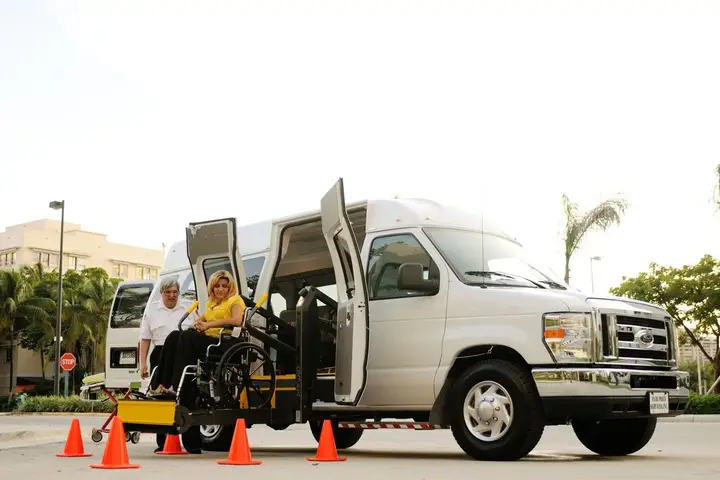
| Accessibility | What can really be visited with a disability? |
Getting around
The transport sub-hub groups nine pages: arriving in the country, the airport transfer, buses and taxis, car or 4×4 rental with a driver, boat rental, the ferry to Tadjourah and Obock, and the train to Addis Ababa. Start there if your question is about a specific journey.
Which formalities are needed to enter Djibouti?
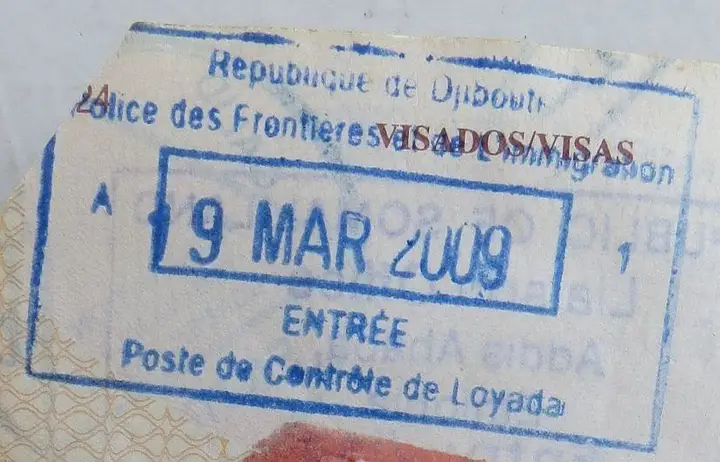
Most travellers obtain their visa online, before departure, on the government’s official e-Visa portal. The short-stay tourist visa generally covers thirty days, and you need a passport valid for at least six months, a passport photo, a copy of your return ticket and an accommodation address. A visa on arrival remains possible at Ambouli airport for certain nationalities.
Because entry rules vary by passport and change regularly, the page visa and formalities relies only on official sources and sets out the step to verify before leaving. It is also where the documents to present on arrival are detailed.
When to go, and why does that question come first?
Because the calendar determines everything else: which sites are accessible, which activities are possible, the price of accommodation and the availability of boats.
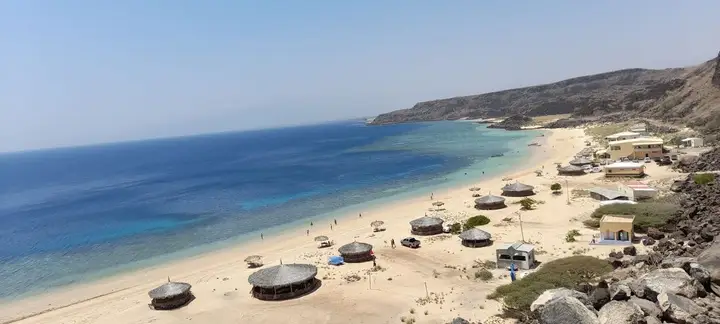
The best period runs from October to April. Temperatures come down, the sea stays warm, and the inland sites stop being ovens. Within that window, November to January is the busiest period: it is whale shark season in the Gulf of Tadjourah, and it coincides with the European holidays.
From June to August, the heat becomes furnace-like in the basins of Lake Assal and Lake Abbe. The month-by-month table, with visitor numbers and the activities open, is in when to go to Djibouti.
What does the climate say, and how should you kit out?
Djibouti has a hot desert climate, but it does not behave the same way everywhere. On the coast, the sea tempers temperatures, which rarely go beyond forty degrees. In the inland basins they climb much higher. The highlands, around the Goda massif and the Mabla mountains, offer relative cool instead, thanks to altitude.
In practice that imposes three things on your suitcase: light, covering clothing, serious sun protection, and plenty to drink. Count on at least three litres of water per person per day at the sites. The page weather and climate gives the detail by season and by region.
How do you get around the country?
Three logics complement each other.
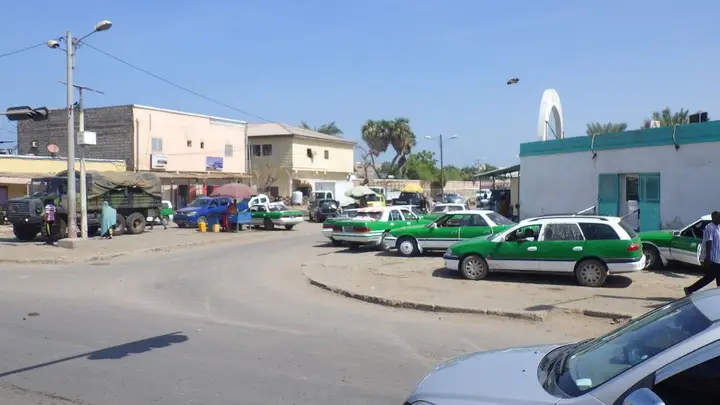
In the city. The capital is walked in its central districts, and taken by taxi between the Plateau du Serpent, Le Héron and Haramous.
Towards the interior. Paved road goes a long way — an hour and a half to Lake Assal, under an hour to Arta — but the track takes over beyond that. The page car rental explains where a saloon is enough and where a 4×4 becomes essential. A 4×4 with a driver is negotiated at around 44,000 Djiboutian francs per day per vehicle, which becomes worthwhile from four people — bearing in mind that this figure is a commercial display price and not a catalogue rate, as the page 4×4 with driver sets out.
Towards the north coast. The ferry to Tadjourah and Obock crosses the gulf in about an hour and a half, or forty-five minutes by fast boat, for 700 Djiboutian francs per adult to Tadjourah and 800 to Obock (National Tourism Agency rate card of January 2021; half price from 2 to 12 years). It is faster and often more pleasant than the 180 kilometres of road to Tadjourah and the 240 to Obock.
Should you book in advance?
Yes, and earlier than you would think. Djibouti City’s hotel stock is concentrated, and the camps on the north coast sometimes have fewer than ten rooms. Between November and January, the combination of whale shark season and the European holidays saturates the capital.
Three points deserve checking before confirming a booking: air conditioning, whether breakfast is included, and whether an airport transfer is possible. The districts and price orders are compared on the page where to stay in Djibouti, and the camps listed by region in camps and ecolodges.
And on the ground, what should you expect?
The country is safe in the usual tourist areas, and the precautions are mostly about the environment: heat, isolated tracks, and no organised rescue away from the main roads. Carry cash, because card payments remain limited outside the large hotels.
To link these practical pages to the sites themselves, start from the overview what to see in Djibouti, then the destination and experience pages. The budget side of a short stay is costed in the itineraries.
Practical
Filter by region
4×4 with a driver in Djibouti: prices and itineraries
Accessibility in Djibouti: what a demanding trip implies
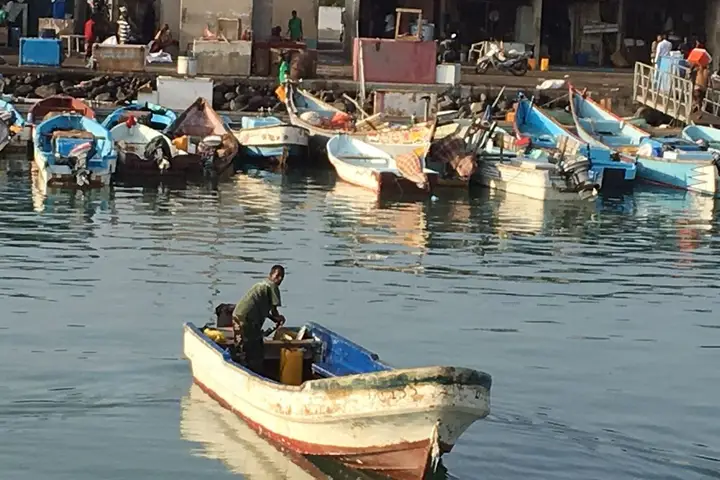
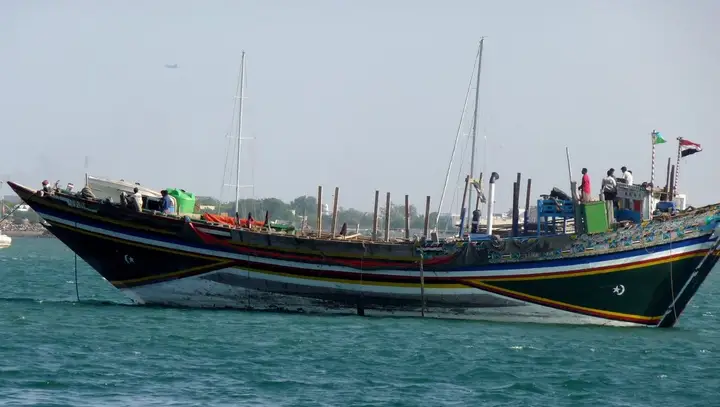
Boat hire in Djibouti: trips out to sea
Budget in Djibouti: what does a trip cost on the spot?
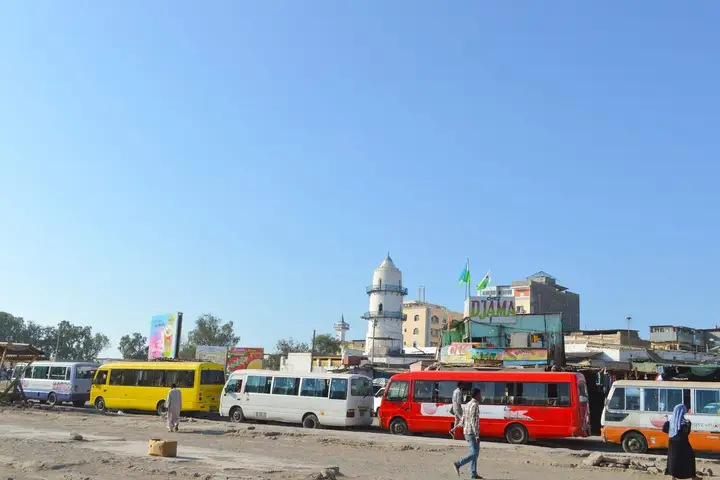
Buses and taxis in Djibouti: fares by zone and route
Car hire in Djibouti: 4×4, saloon or driver?
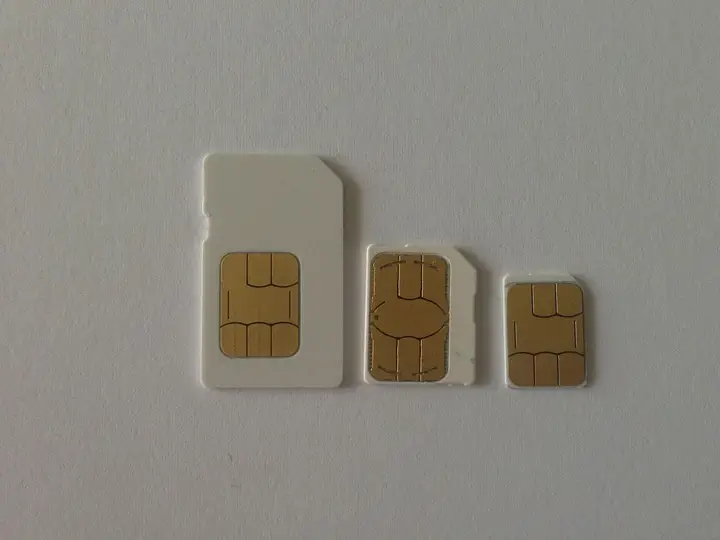
Connectivity and SIM cards in Djibouti: internet and mobile
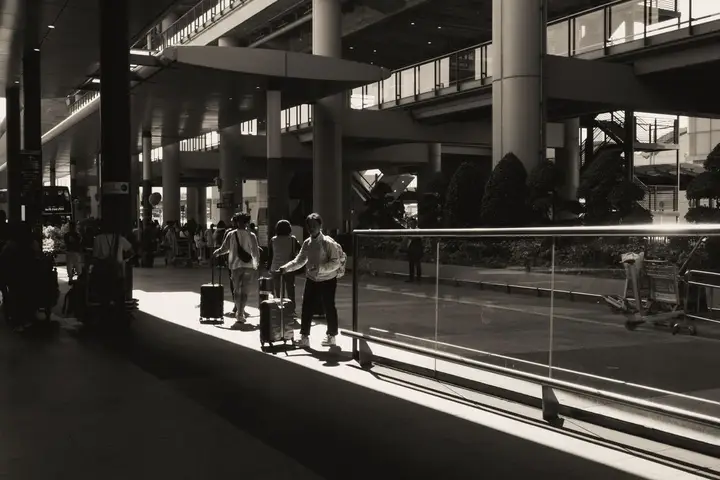
Djibouti airport transfer: taxi, fares and arrival
Djibouti–Addis Ababa train: line, tickets and station
Embassies and consulates in Djibouti: how to proceed
Ferry to Tadjourah and Obock: crossing, times and fares
Health and vaccines in Djibouti: what to prepare
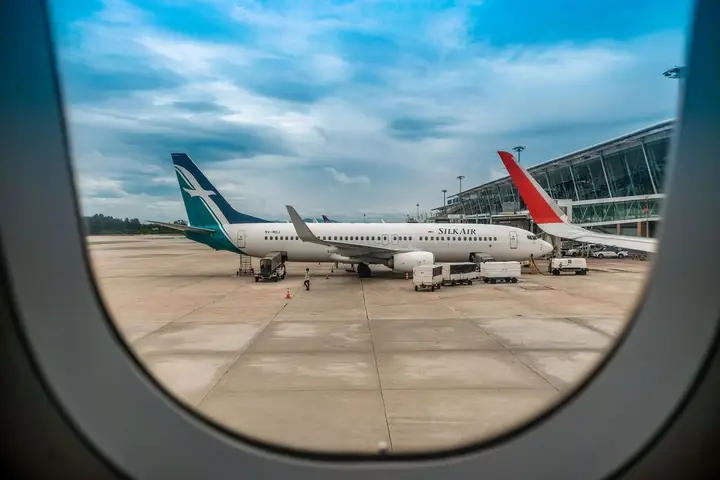
How to get to Djibouti: flight, connection and arrival
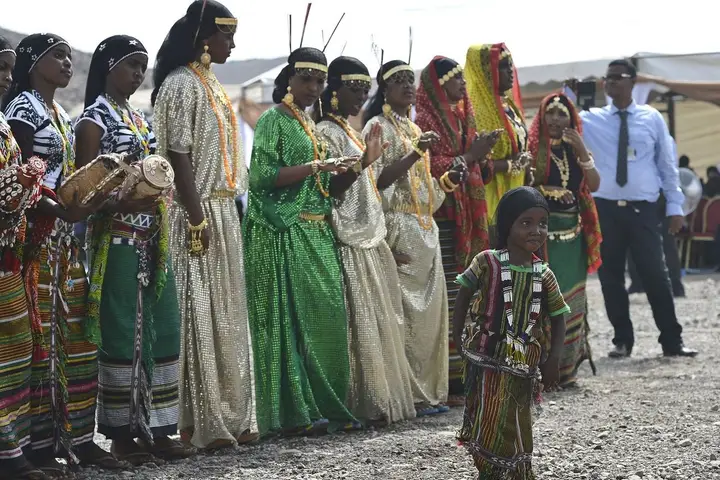
Language and culture in Djibouti: what really applies
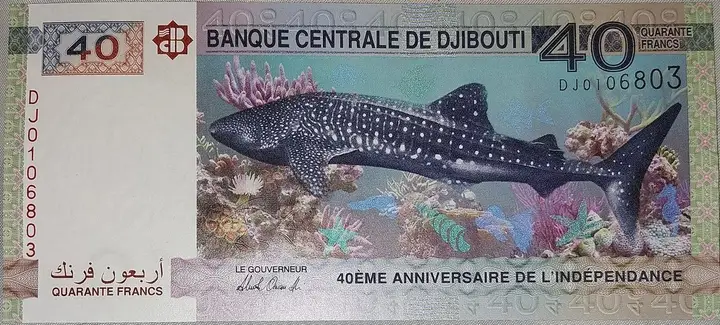
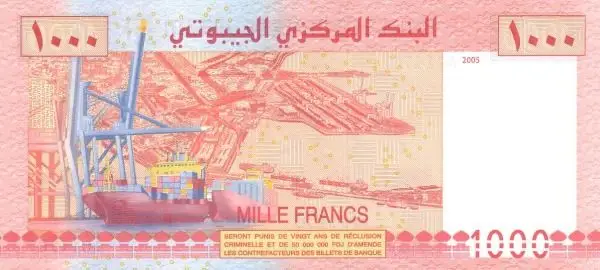
Money and payments in Djibouti: Fdj, cards and cash
Safety in Djibouti: official advice and areas to avoid
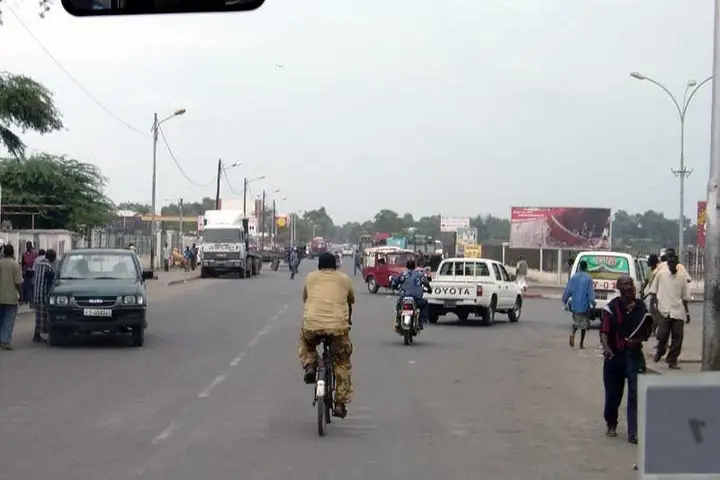
Transport in Djibouti: plane, taxi, 4×4, boat and train
Travel insurance for Djibouti: cover to check
Travelling in Djibouti with children: what to plan for
Travelling to Djibouti solo or as a couple: costs and formats
Visa for Djibouti: e-Visa, price and documents
Weather and climate in Djibouti: temperatures, seasons and high plateaux
What to pack for Djibouti, season by season
When to go to Djibouti: the best period, month by month

Compare trips including transport and accommodationSecure booking, verified provider.
Frequently asked questions
What do you need to do before leaving for Djibouti?
Three steps are enough. Get your visa online on the official e-Visa portal, with a passport valid for at least six months, a passport photo, a copy of your return ticket and an accommodation address. Check that your health insurance and repatriation cover are valid. Finally book your accommodation, especially between November and January, when the capital is full.
What is the best time of year to go to Djibouti?
From October to April. Temperatures come down on the coast as well as in the inland basins, and the sites become workable all day. November to January is the busiest period, because whale sharks return to the Gulf of Tadjourah then. From June to August the heat becomes furnace-like inland, where temperatures go well beyond forty degrees.
How do you get around Djibouti without a rental car?
Two solutions cover most needs. In the city, taxis and minibuses serve the capital. For the sites (Lake Assal, Lake Abbe, Grand Bara), organised excursions include transport, which avoids having to handle the track yourself. For the north coast, the ferry to Tadjourah and Obock avoids the 180 and 240 kilometres of road.
Do you need a lot of cash in Djibouti?
Plan on cash, because card payments remain limited outside the large hotels in Djibouti City. Excursions, camps, guides and markets are usually settled in cash, in Djiboutian francs. Withdraw in the city before heading inland: there is no cash machine at the remote sites, and not every camp accepts foreign cards.