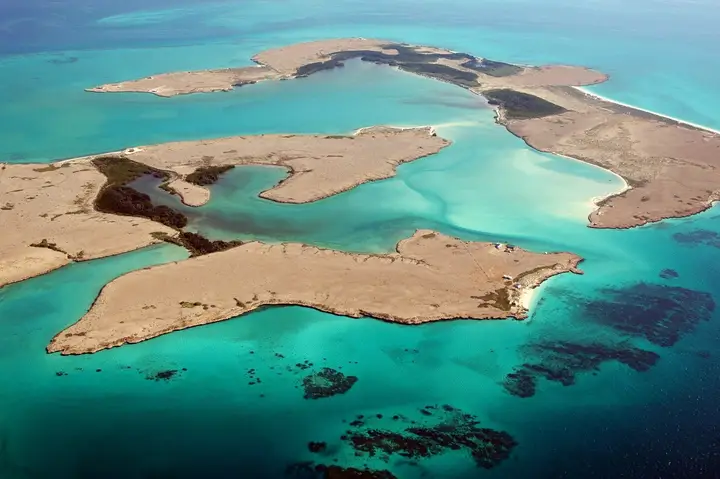
Which season for the whale shark in Djibouti?
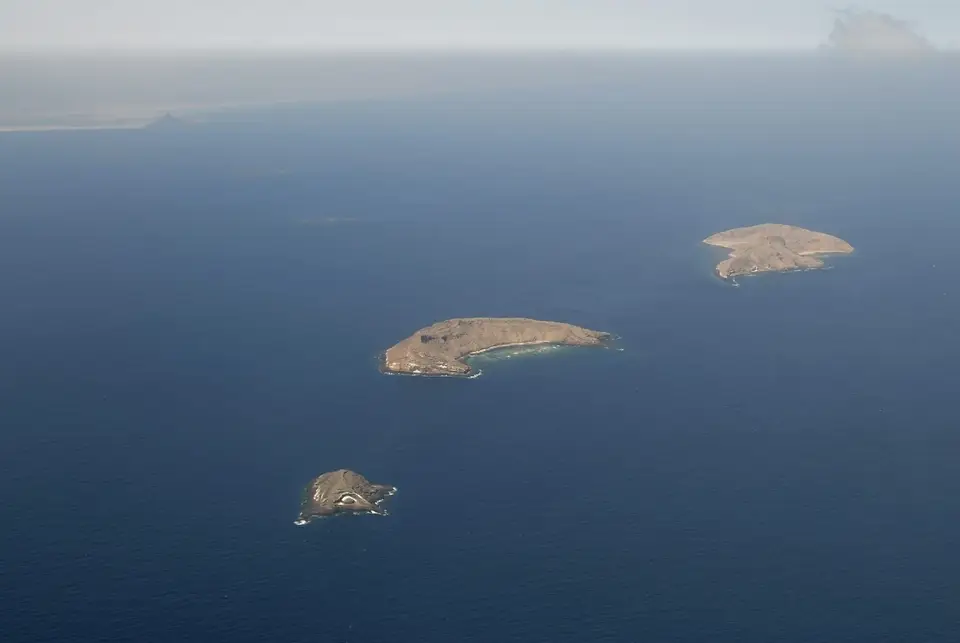
Two calendars coexist and they do not say the same thing. Decree No. 2023-362/PR/MCT of 6 December 2023 sets the regulatory observation window from 15 October to 15 March, the period during which an operator is authorised in the area. The peak of real presence, for its part, runs from November to January. The first calendar says when you are allowed to go, the second when you have the best chance of seeing the animal.
What is the official whale shark observation window?
It is set by a legal text, and it is a particularity few destinations can claim. Decree No. 2023-362/PR/MCT of 6 December 2023, published by the National Tourism Agency, organises the observation activity while protecting the species. It sets the regulatory season from 15 October to 15 March, and applies first of all to the Arta Plage marine protected area.
| Calendar | Period | What it describes | Origin |
|---|---|---|---|
| Regulatory window | 15 October – 15 March | The period during which an operator is authorised in the area | Decree No. 2023-362/PR/MCT |
| Observation peak | November – January | The period when the probability of an encounter is highest | Field records and operator calendars |
| Possible window | Late October – late February | The period when the animal is actually reported, depending on the year | Publications of the agency and gulf operators |
Outside the regulatory window, no operator is authorised in the area. It is not a recommendation, it is a ban on operating.
Why does the regulatory window not coincide with the peak?
Because the two calendars answer two different questions, and many pages publish them side by side without saying so.
The decree defines a legal envelope. It says from when and until when the activity may be operated. It is written to regulate operators and protect a species, not to tell the traveller the best week of the year.
The observation peak is an ecological probability. The whale shark follows plankton; it is pelagic and does not reside in the gulf. Its presence peaks from November to January, with a real window that usually opens in late October and can extend into February depending on the year, the water temperature and the availability of plankton.
In other words, the official window is wider than the peak. Between 15 October and 15 March, you are allowed to go looking for the animal; that does not give you the same probability of finding it. Our reference page, diving and whale sharks, details why official sources announce differently worded seasons: they describe the same phenomenon at different resolutions.
Which month should you choose, according to what you are after?
| Period | Regulatory window | Probability of presence | What the period brings |
|---|---|---|---|
| 15 – 31 October | Open | Low, rising at the end of the month | Available slots, start of the season |
| November | Open | High | Entering the peak of presence |
| December | Open | High | The most comfortable conditions of the season |
| January | Open | High | The statistical heart of the peak |
| February | Open | Variable depending on the year | End of the window, more scattered encounters |
| 1 – 15 March | Open | Not documented for that fortnight | The last legal slots |
| 16 March – 14 October | Closed | Very low | No operator authorised in the area |
One cell of that table is deliberately left empty. The period from 1 to 15 March is legal, but the record we work from documents no probability of an encounter for that precise fortnight. We would rather write that than extrapolate a figure.
What does a trip cost, and why do boats fill up so early?
| Catalogue offer | Announced price | Basis | Price per person |
|---|---|---|---|
| Whale shark encounter off Arta Plage | 25,000 Fdj | per person | 25,000 Fdj |
| Privatised whale shark package | 80,000 Fdj | 1 to 10 passengers | 80,000 Fdj alone, 8,000 Fdj for ten |
Price is not the main reason for the pressure on slots. The reason lies elsewhere, and it is written plainly in the decree.
| Constraint of the decree | What it changes for booking |
|---|---|
| Access quota: 4 days per week and 10 boats per day in the area | Total capacity is capped, day by day |
| Filing fees of 20,000 Fdj paid to the agency by the applicant operator | A fixed cost incurred before any trip |
| Fee of 2,000 Fdj per passenger, paid in advance by the boat | A cost that rises with the number of places sold |
| Access rights neither transferable nor exchangeable | A booked slot cannot be resold, so nothing frees up |
| Compulsory operating authorisation, issued by the agency | A boat without authorisation works outside the framework |
| Compulsory professional civil liability insurance | A point to check before stepping aboard |
Do the calculation on the fee, because it is telling: a boat of ten passengers owes 20,000 Djiboutian francs to the agency for the per-passenger fee alone, which, if the operator passes it on, is the equivalent of 80 % of a place sold at 25,000 francs. That is our calculation, from two published figures, not an announced rate. It explains a simple logic: a boat that leaves half full bears the same fixed costs, so operators commit their slots early and fill them early.
The practical consequence is direct: in high season, the constraint is not the price, it is availability. Book before fixing your land programme, and keep a day’s margin for a postponement.
What can you do outside the regulatory window?
Between 16 March and 14 October, you no longer look for the animal: the area is closed to operating and the probability of an encounter becomes anecdotal. That does not mean the sea loses all interest for seven months.
| Outside the window | What you can do |
|---|---|
| Diving on the gulf’s sites | The classic sites remain accessible: see diving in Djibouti |
| A day at the islands | Moucha and Maskali are visited all year, with a favourable season from October to April |
| Coastal trips | Beaches and camps of the northern coast, such as Arta and Ras Korali |
| General season | The month-by-month detail appears in when to go to Djibouti |
If you are coming for the whale shark and your dates fall outside the window, move your dates rather than count on an exemption: the text we consulted provides for none.
Should you aim for the peak or the shoulder?
| Your constraint | The period that holds | Why |
|---|---|---|
| The encounter is the reason for the trip | November to January | The highest probability, at the cost of concentrated demand |
| Dates imposed by a flight or leave | Check the window first | Outside 15 October – 15 March, no organised trip is possible |
| Flexible dates, priority on availability | Late October or February | Slots easier to obtain, privatised formula worthwhile for a group |
| A group of six to ten | February or late October | The 80,000 Fdj package falls to 8,000 Fdj per person |
| Sensitivity to comfort | December | The most comfortable conditions of the season |
| A short stay, a single attempt | November to January, booked early | One day means one chance |
The verdict fits in one sentence: the official window is not the best period, it is the permitted period. If you can choose your dates and the encounter matters, come in the peak and book early. If your dates are flexible but your budget is tight, the October and February shoulder remains within the legal framework, with a lower probability — and that is a trade-off we would rather set out for you than settle in your place.
Frequently asked questions
What is the best period to see a whale shark in Djibouti?
The peak of presence runs from November to January in the Gulf of Tadjourah. The regulatory window, set by the decree of 6 December 2023, extends from 15 October to 15 March: that is the period during which an operator is authorised in the observation area. If the encounter is the purpose of your trip, aim for November, December or January, and book early.
Can you see a whale shark outside the regulatory window?
No, not as part of an organised trip. Outside the window of 15 October to 15 March, no operator is authorised in the observation area. The probability of an encounter also becomes anecdotal: the animal is pelagic, it follows plankton and does not reside in the gulf. You can, however, dive the gulf's sites all year round.
Why do you have to book so early for whale shark season?
Because capacity is capped by the decree: four days of access per week and ten boats per day in the area. On top of that come costs incurred by the boat before the trip, including a fee of 2,000 Djiboutian francs per passenger paid in advance. Access rights cannot be transferred or exchanged, so nothing frees up at the last moment.
How much does a whale shark trip cost, regulatory fees included?
The encounter off Arta Plage is announced at 25,000 Djiboutian francs per person, boat and supervision included. The decree places 20,000 francs of filing fees on the operator, plus a fee of 2,000 francs per passenger, paid in advance. That fee may appear in the price of your trip: ask what is included before booking.
Is it better to aim for the peak season or the shoulder months?
It depends entirely on what you are weighing up. The November to January peak maximises the probability of an encounter, but concentrates demand on capped slots. The first fifteen days of October and the month of February offer more available boats and calmer conditions, with a lower probability. If the encounter is the reason for the trip, choose the peak.
Sources
Comparisons
Read next
Camp or hotel in Djibouti: what do you gain?
Car hire companies in Djibouti: eight agencies, no ranking
Dive centres in Djibouti: two operators, not ten
Lake Assal or Lake Abbé: two salt deserts, two budgets
Moucha or Maskali: two islands, one trip?
Which neighbourhood to stay in Djibouti City?
With or without a driver in Djibouti: deciding