
Transport in Djibouti: plane, taxi, 4×4, boat and train
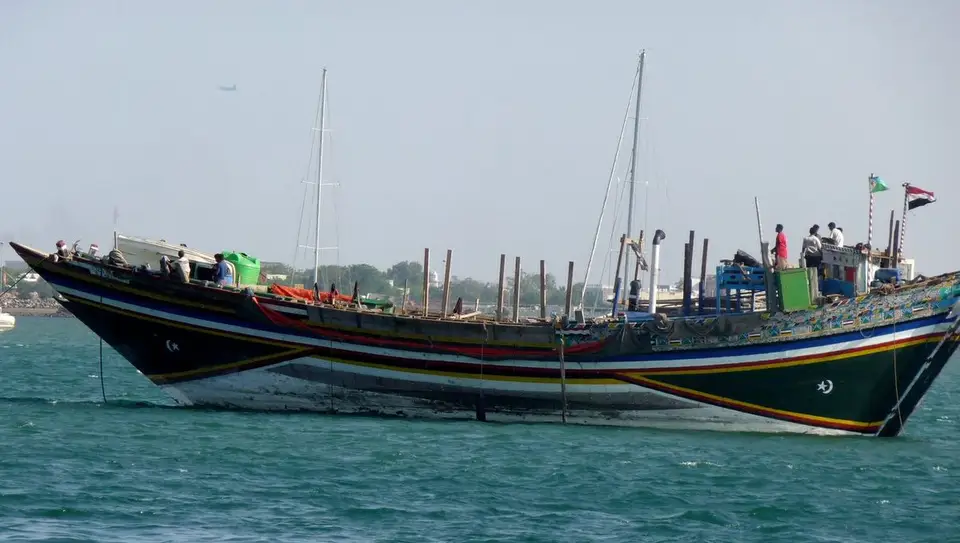
Getting around Djibouti rests on five complementary modes: the plane to enter the country, the taxi in town from 600 Djiboutian francs per zone, the 4×4 with driver for the interior, the boat for the northern coast and the islands, and the train towards Ethiopia. A 4×4 with driver costs about 44,000 Djiboutian francs a day per vehicle, an airport transfer about 1,500 francs, and the ferry 700 francs per adult to Tadjourah, 800 to Obock.
| Region | Djibouti City |
|---|---|
| Updated on | 16 September 2026 |
How do you get around Djibouti?
Djibouti is a small country — about 23,000 square kilometres — but transport there obeys a brutal geography: a coastal capital, burning basins inland, a northern coast cut off by a gulf, and a single land border that is really workable, towards Ethiopia.
That geography produces five modes, which hardly ever compete with one another:
| Mode | What it really covers | Page to read |
|---|---|---|
| Plane | Entry into the country: the only practical route from Europe | How to get to Djibouti |
| Taxi and minibus | The capital and its near outskirts | Bus and taxis |
| Airport transfer | The seven kilometres between Ambouli and the city centre | Airport transfer |
| Car and 4×4 | The national roads, then the tracks of the interior | Car hire · 4×4 with driver |
| Boat | The northern coast, the islands and sea trips | Boat hire · Tadjourah and Obock ferry |
| Train | The rail link to Ethiopia, via Nagad | Djibouti–Addis train |
The most frequent mistake is to reason in terms of price. In Djibouti, transport is chosen first according to the surface: tarmac or track. A saloon car hired to reach Lake Abbé is not a saving, it is a breakdown waiting to happen.
How do you get to Djibouti from Europe?
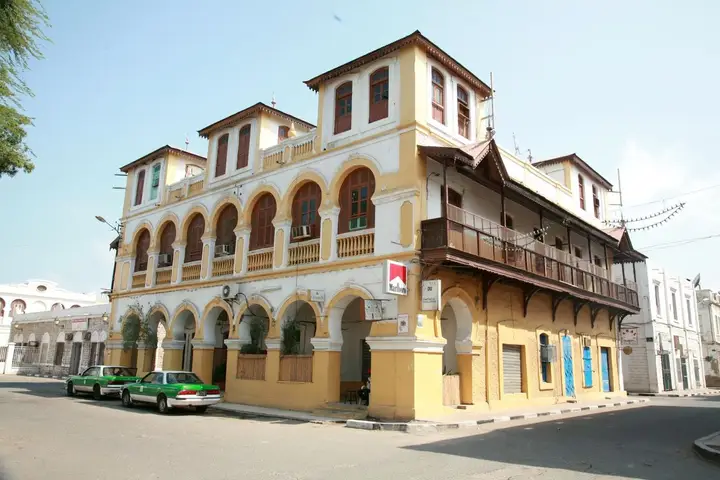
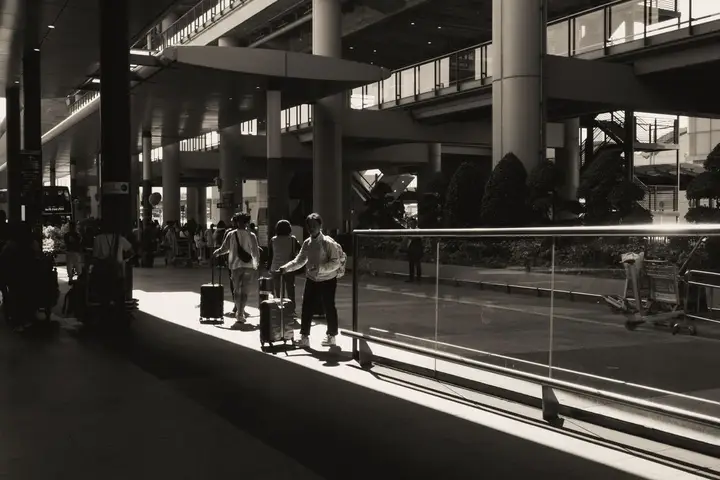
By plane, in almost every case. Ambouli international airport, code JIB, is the country’s gateway, about seven kilometres from the city centre.
The other routes exist but are not relevant to a first stay:
- The road, from Ethiopia. The land border is crossed via the corridor linking Djibouti to Dire Dawa and Addis Ababa. It is an axis used by lorries, and a journey that needs preparing.
- The train. The modern line to Ethiopia, whose Djiboutian station is at Nagad, has been running since 2016. It is covered separately on its own page.
- The sea. The sources consulted document no international passenger sea link to Djibouti. The boat remains an internal mode of travel: crossing the Gulf of Tadjourah, trips to the islands, diving.
The detail of connections, the time difference and preparing a flight is in how to get to Djibouti.
What is the price of a taxi in Djibouti?
Two reference points, published by the National Tourism Agency, are enough:
| Ride | Reference fare | Note |
|---|---|---|
| In town, per zone | From 600 Fdj | Fare to be negotiated before getting in: meters are not used |
| From Ambouli airport to the centre | About 1,500 Fdj | About seven kilometres, ten minutes outside peak hours |
Three unwritten rules are worth more than a displayed fare. Fix the price before getting in: that is the local norm, and once you arrive the negotiation no longer exists. Have cash: not all drivers accept cards, and almost none can give change on a large note. Plan for the night: after 22:00, rides become scarce in the outlying districts.
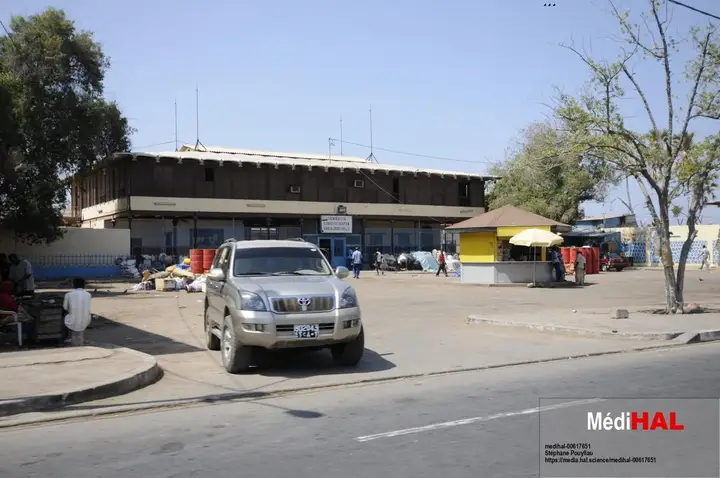
The minibus network complements taxis for suburb-to-suburb journeys. It is inexpensive, but slow and with no information online: the page on bus and taxis details how to use it.
Do you need a 4×4 to travel around Djibouti?
The question is less “which vehicle should I hire” than “which surface will I meet”. The tarmac network reaches a long way, but it stops dead before the most spectacular sites.
| Axis from Djibouti City | Distance | Surface | Vehicle |
|---|---|---|---|
| Arta | 42 km | Tarmac | Saloon car or 4×4 |
| Lake Assal | About 120 km | Tarmac, final track to the salt works | Saloon car in dry weather |
| Tadjourah | About 180 km | Tarmac | Saloon car or 4×4 |
| Obock | About 240 km | Tarmac | Saloon car or 4×4 |
| Goubbet al-Kharab | Tarmac then track | Track | 4×4 |
| Lake Abbé | Long track | Track | 4×4 with driver |
| Abourma | Track and walking | Track | 4×4 with driver |
| Forêt du Day and Dittilou | Tarmac then mountain track | Track | 4×4 with driver |
| Khor Ambado | About 20 km | Steep track | 4×4 |
The reference rate for a 4×4 with driver, as commercially displayed on dalmar.app, is around 44,000 Djiboutian francs a day per vehicle, fuel and driving generally included. That amount pays for itself from four passengers: divided by four, it drops below the per-person price of an organised excursion. Below three people, the excursion remains almost always cheaper, and it includes the access permits.
The offer type “vehicle hire” does not exist in the platform’s catalogue: this is therefore a commercial display, not a verified catalogue price. Always ask for a written quotation, and read the insurance clause: on track, most policies exclude damage to tyres and to the underside of the vehicle.
How do you reach the northern coast and the islands?
Two logics, two distances.
The northern coast, Tadjourah and Obock. The Gulf of Tadjourah forces a choice: go round it by road — about 180 kilometres to Tadjourah, 240 to Obock — or cross it. The Safar Salam company’s ferry leaves for Tadjourah on Saturday, Tuesday, Thursday and Friday, and for Obock on Sunday and Wednesday. The National Tourism Agency’s grid gives 700 Djiboutian francs per adult to Tadjourah and 800 to Obock, half fare for a child aged 2 to 12 or a student. The crossing takes about an hour and thirty minutes, against about forty-five minutes by fast boat — orders of magnitude, the agency publishing no crossing time. The ferry stays at the quay for about an hour, is more or less out of service from mid-July to the end of August (khamsin) and completely out of service on public holidays.
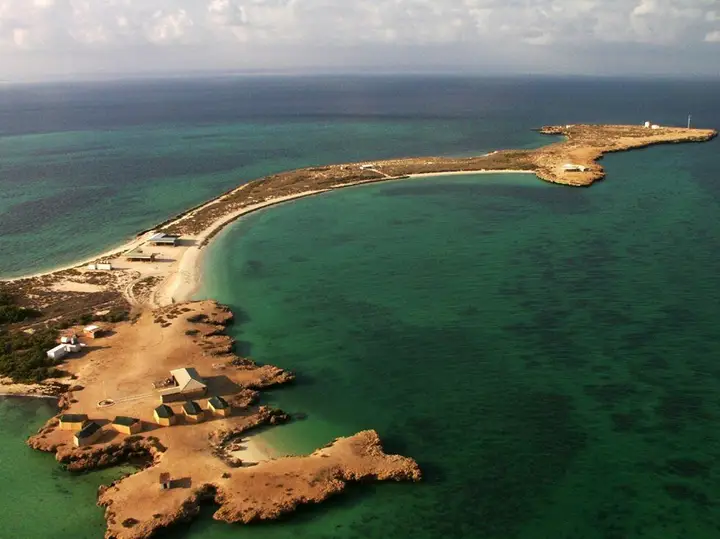
The islands and sea trips. Moucha, Maskali, the gulf reefs and whale shark watching, from November to January, are done in a chartered boat from Djibouti City or the Arta Plage area. There is no regular public link to those islands.
To compare the options, the page on boat hire details what is included in a chartered trip — pilot, fuel, snorkelling gear — and what is not. For the regular link, see Tadjourah and Obock ferry.
How much is the Djibouti–Addis Ababa train?
The grid exists and it is published — contrary to what is often read. For a single journey to Addis Ababa, the National Tourism Agency gives 4,000 Djiboutian francs for a Djiboutian national and 8,000 francs for a foreigner. That grid is dated January 2021 and also covers Dire Dawa and Ali-Sabieh; the detail destination by destination, including an anomaly in the fare scale for Dire Dawa that is worth knowing before buying, appears on the page on the Djibouti–Addis train. The ticket is in any case bought at the counter, to be collected the day before departure, and the 2021 amounts are to be confirmed on the spot.
What can be said with certainty: the modern line linking Addis Ababa to Djibouti runs for about 756 kilometres and has been operating since 2016. The railway between the two countries comprises that modern, electrified link as well as an older historic line. The departure station on the Djiboutian side is at Nagad, west of the capital.
The page on the Djibouti–Addis train covers booking, the distinction between the two lines and preparing the border crossing.
How do you travel without putting yourself in danger?
Travel in Djibouti involves two very different families of risk, which are better not confused.
Risks linked to the terrain. Heat, isolated tracks, no organised rescue off the main axes, and vehicles without lights at night. None of those risks is dealt with by urban caution: they are dealt with by preparation — water, spare wheel, a full tank before leaving the tarmac, an early start.
Security risks. The official British advice (GOV.UK FCDO, updated 27 July 2026) reports a real terrorist threat in the country and recommends vigilance in places frequented by foreigners: transport hubs, hotels, restaurants and shopping areas. The same notice advises against all travel to the Djibouti–Eritrea border. In practice: travel on the usual tourist axes, avoid sensitive border zones, and do not drive at night outside built-up areas.
In a medical emergency, dial 21 35 09 62 or 21 35 27 12 and ask for an ambulance. Those two numbers are the ones published by the official British advice. Tell your insurer without delay if you are referred to a medical facility.
Petty crime exists in town, on nothing like the scale of large cities. The usual precautions are enough: do not walk alone late in the evening, keep camera and passport out of sight, and leave valuables at the hotel rather than in a parked vehicle.
Which mode of transport should you choose according to your profile?
| Your situation | The mode that works | Why |
|---|---|---|
| A 2 to 4 day stay centred on Djibouti City and Lake Assal | Taxi in town and an organised excursion | Transport and guide are included, no logistics to manage |
| Two people aiming for the classic sites | An organised day trip | About 18,000 Fdj per person at Lake Assal, transfer included |
| A group of four or more, several sites | 4×4 with driver | About 44,000 Fdj a day per vehicle, less per person than an excursion |
| Independent travellers, a long stay in town | Free hire of a saloon car | Worthwhile on tarmac axes only |
| Heading for Tadjourah or Obock | Safar Salam ferry | 700 Fdj per adult to Tadjourah, 800 to Obock, against 180 to 240 km of road |
| Diving, islands, whale sharks | Chartered boat or supervised trip | No public link to Moucha and Maskali |
| A trip to Ethiopia | Train from Nagad station, or road | About 756 km of modern line, in service since 2016 |
One last trade-off deserves to be stated plainly: booking early is not excessive caution in Djibouti. The capital’s hotel stock is concentrated, whale shark season boats sell out several weeks in advance, and 4×4s with drivers are few in number. Between November and January, the conjunction of the tourist peak and European school holidays saturates the market.
To settle transport once the sites are chosen, start from the overview what to see in Djibouti, then the destination pages. The overall budget side of a stay — accommodation, meals, excursions — is covered in budget and costs, and the calendar in when to go to Djibouti.
Practical
Filter by region
4×4 with a driver in Djibouti: prices and itineraries
Boat hire in Djibouti: trips out to sea
Buses and taxis in Djibouti: fares by zone and route
Car hire in Djibouti: 4×4, saloon or driver?
Djibouti airport transfer: taxi, fares and arrival
Djibouti–Addis Ababa train: line, tickets and station
Ferry to Tadjourah and Obock: crossing, times and fares
How to get to Djibouti: flight, connection and arrival
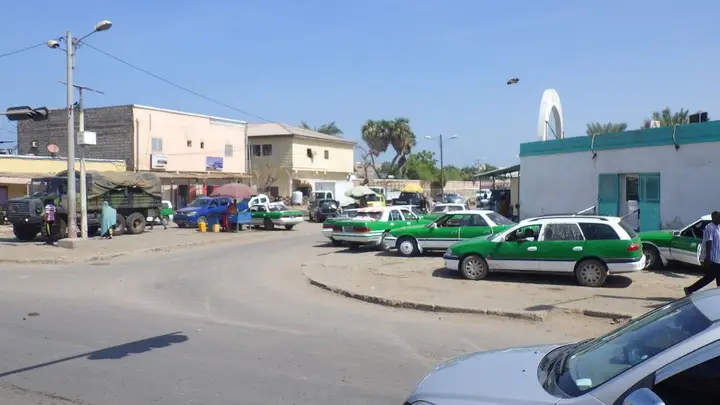
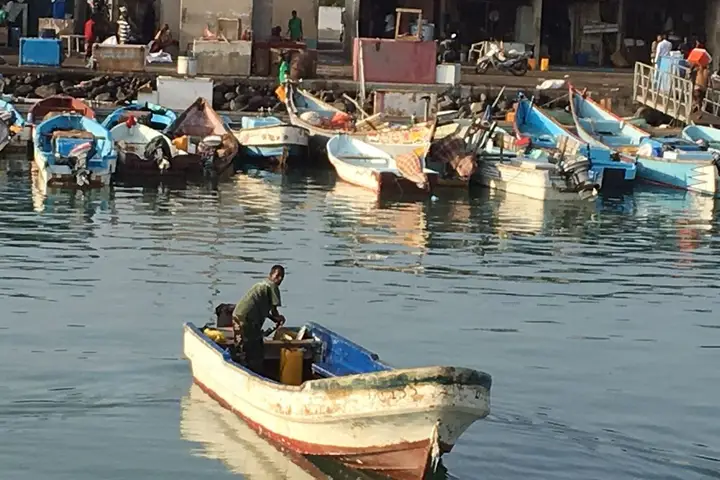
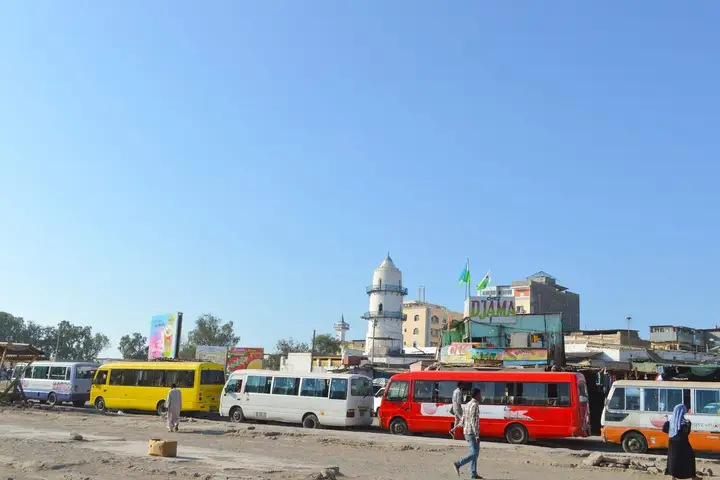
Compare the vehicles available to travel the countrySecure booking, verified provider.
Frequently asked questions
How do you get around Djibouti without a car?
In town, taxis cover most needs: rides start at about 600 Djiboutian francs per zone, to be negotiated before getting in. From Ambouli airport, allow about 1,500 Djiboutian francs. For sites in the interior, an organised excursion replaces car hire: transport, guide and permits are included. For the northern coast, the ferry saves 180 to 240 kilometres of road.
What is the price of a taxi in Djibouti?
Rides in town start at about 600 Djiboutian francs per zone, according to the fares published by the National Tourism Agency. Meters are not used: the price is negotiated before getting in. The transfer from Ambouli international airport, about seven kilometres from the centre, comes to about 1,500 Djiboutian francs. Bring cash, as not all drivers accept cards.
What is the distance between Djibouti City and the main sites?
Four road reference points are enough to calibrate an itinerary. Arta lies 42 kilometres from Djibouti City, Lake Assal about 120 kilometres, Tadjourah about 180 kilometres and Obock about 240 kilometres. Those distances are those of the national roads, on a tarmac network. Beyond those axes, tracks take over and a 4×4 becomes necessary.
Do you need a 4×4 to visit the interior of the country?
It depends on the axis, not on the budget. A saloon car is enough on the tarmac roads to Arta, Tadjourah, Obock and as far as the Lake Assal salt works in dry weather. Lake Abbé, Abourma, Goubbet al-Kharab, the Forêt du Day and the beaches below, such as Khor Ambado, require a 4×4, generally with a driver who knows the track and the access permits.
How do you reach the Moucha and Maskali islands?
By boat only, leaving from the port of Djibouti City or the Arta Plage area. There is no regular public sea link to those islands: outings are made in a chartered boat, as part of an organised excursion or a hire with a pilot. The crossing is short, but it depends on the state of the sea, hence the value of booking a supervised trip.